
A vacancy handover helps a Kenyan property team distinguish a unit that is empty from one that is ready for the next tenant. Keys, outstanding work, records and marketing details should move through a clear process. This guide focuses on practical coordination so that staff can see what remains to be done before a unit is offered as ready.
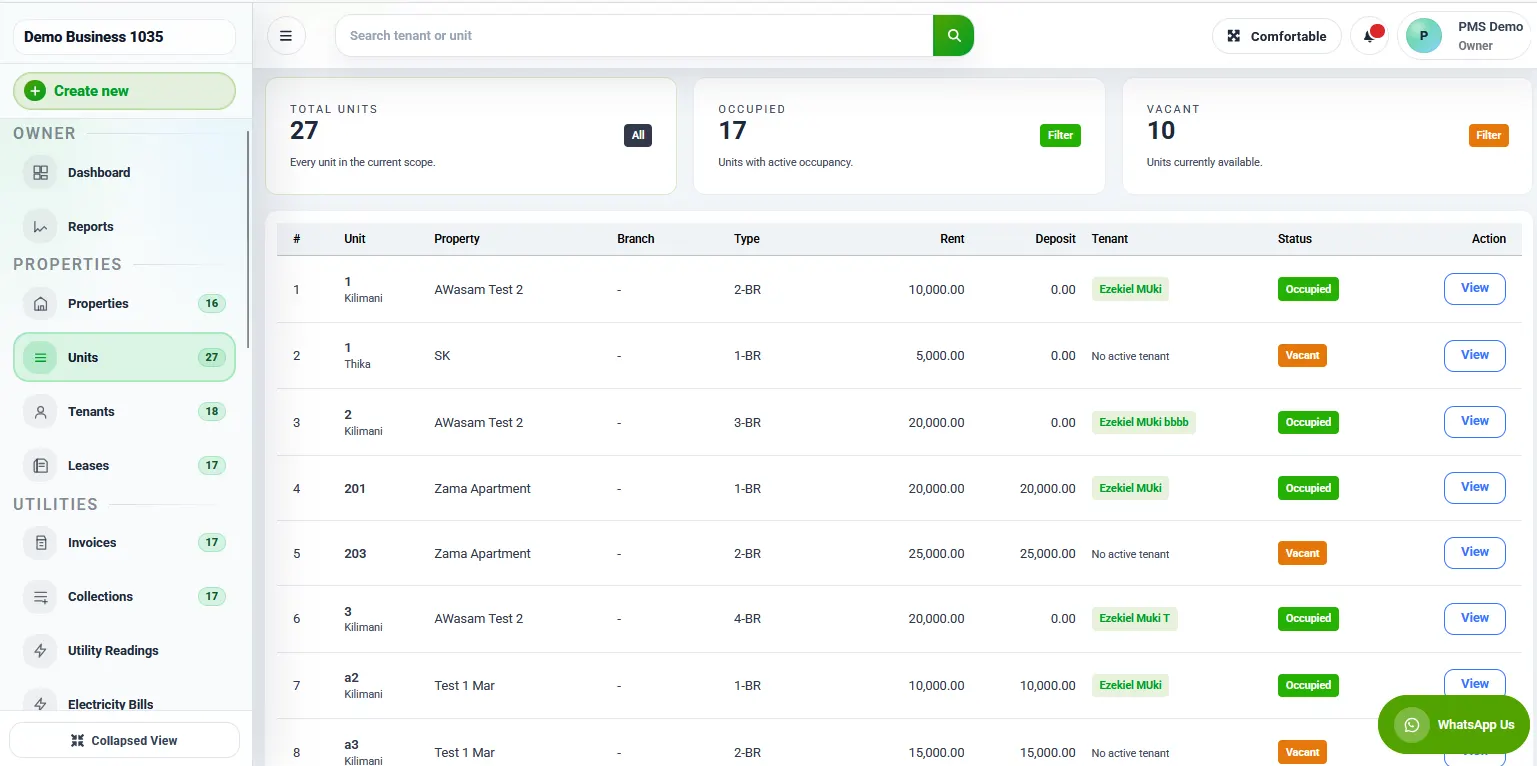
1. Start the vacancy handover with a unit record
Identify the property and unit consistently. Record the date the vacancy was confirmed and the person coordinating the next steps. Avoid using informal descriptions such as “the upstairs bedsitter” when several similar units exist.
Keep the previous tenancy history separate from the new letting process. An empty unit may still have unresolved administrative items, but those items should not be confused with the next tenant’s opening record. Follow the relevant agreement and professional advice for any disputed obligations.
2. Record keys and access arrangements
Note which keys or access devices were received and who holds them. Restrict access details to authorised staff. A key handover should not depend on someone remembering which drawer contains a spare set.
If a contractor needs access, agree who meets them and how completion will be confirmed. When considering service providers through a directory such as Jaat, verify the provider and agree the work directly. A directory listing is not proof of suitability.
3. Separate inspection observations from approved work
Record observable conditions and the work proposed. Do not describe every observation as an approved expense. Give each task an owner, an approval status and a target date so that the next staff member can see what is actually authorised.
Review maintenance request management and ask which workflow your plan supports. Keep supporting photos private and avoid including personal belongings or identifying details unnecessarily.
4. Check that advertising matches the unit
Confirm the current availability, approved rent and accurate description before marketing the property. Remove outdated claims copied from an earlier listing. A unit should not be described as ready if the team is still waiting for essential work to finish.
A business website provider such as Zama may be relevant when reviewing your own property website, but publishing a listing and maintaining the tenancy record remain separate responsibilities unless a supported connection is explicitly confirmed.
5. Close the vacancy handover with an acceptance check
Ask the responsible person to confirm that agreed tasks are complete, access arrangements are understood and the unit record is ready for the next tenancy. Keep unresolved tasks visible instead of burying them in a message conversation.
The multi-property workflow guide can help managers review vacancies across several buildings. Use consistent statuses so that “ready” means the same thing to the caretaker, letting team and manager.
Example: empty today, ready next week
A unit becomes vacant on Monday, but a repair awaits approval and the inventory check is incomplete. The record should show the unit as vacant with open tasks, rather than implying it can be occupied immediately. Each open item receives a named owner.
Once the repair and inspection are complete, the manager records the readiness decision. The letting team can then communicate an accurate availability date. This small distinction avoids promising a move-in date that operations cannot support.
What to ask during a RentalDesk demonstration
Ask how unit status, maintenance work and tenancy history can be reviewed together. Confirm which features are included in your plan and how your team will record any steps that are handled outside the software.
Before importing data, read the rental software setup guide. A vacancy handover works best when the record is concise, the status is clear and every unfinished task has someone responsible for it.
Vacancy handover worksheet for a single unit
Use a vacancy handover worksheet to bring the operational tasks into one place. Start with the property, unit identifier, date the vacancy was confirmed and the person coordinating readiness. Keep the previous tenancy’s financial questions in the appropriate account review process rather than allowing them to become indistinguishable from the work needed for the next letting.
The worksheet should show access items, inspection status, proposed work, approved work and the readiness decision. These are different stages. A unit can be empty while inspection remains incomplete, or inspected while a repair is awaiting approval. Clear stages help the letting team communicate an accurate position instead of relying on a single vague status.
Record what is known and what needs checking
Separate confirmed facts from unverified reports. A caretaker may report that a fitting needs attention, but the manager may still need an inspection or quotation before authorising work. The vacancy handover should preserve the report and the next action without presenting a proposed expense as if it has already been approved.
Record the person responsible for each outstanding check. An item without an owner can remain open while everyone assumes someone else is handling it. Where the owner is waiting for another party, note that dependency and the date for follow-up. The purpose is to keep the work moving, not to create a long narrative of every conversation.
Vacancy handover example: a unit awaiting minor work
Consider a unit that has become empty but needs cleaning and a check of a reported leak. The manager receives the access items and assigns an inspection. At this stage, the record should say that the unit is vacant and under review. It should not be described as ready merely because no tenant is currently occupying it.
The inspection confirms the cleaning task and identifies the work required for the leak. The manager follows the normal approval process and records who will arrange the visit. The vacancy handover now shows approved tasks with owners, while the letting team receives a realistic update about the readiness status.
After the work is completed, the responsible person checks the result against the agreed task. If the leak remains unresolved, the task stays open. If the cleaning is satisfactory, that item can be marked complete separately. Keeping the tasks distinct makes it easier to see what is preventing the final readiness decision.
Make the readiness decision explicit
Once the required checks are complete, the authorised manager records whether the unit is ready to be offered for occupation under the agreed arrangements. The vacancy handover should identify the decision date and any material condition. This gives the letting team a clear basis for discussing availability.
If the manager accepts a limitation, describe it accurately and ensure the appropriate people understand it. Do not turn an unresolved issue into a hidden assumption. Any contractual or disputed responsibility should be handled through the relevant agreement and appropriate professional advice, rather than inferred from a maintenance note.
Access control during a vacancy handover
Keep a controlled record of keys, access devices and the people authorised to hold them. A vacant unit may be visited by several parties, including inspection staff, cleaners and prospective tenants accompanied by the letting team. The process should make it possible to understand who was given access and for what purpose.
A vacancy handover does not require publishing access details in a shared tenant group. Share only what each authorised person needs and use the organisation’s approved channel. Where a visit is cancelled or responsibility changes, update the arrangement so that an outdated instruction does not remain in circulation.
Coordinate visits before confirming them
Check that the person arranging the visit knows who can meet the visitor and how completion will be reported. Two independently booked visits may conflict or leave nobody available to supervise access. A short schedule can prevent this without exposing a full property access list to everyone involved.
Record any visit that did not take place and assign the next step. An appointment marked only with a date may be mistaken for completed work later. The vacancy handover should show whether the task was planned, attended, completed or awaiting another action.
Keeping marketing information aligned with readiness
Before advertising, confirm the approved description, current availability and authorised asking terms. Check that photographs and text refer to the actual unit being offered. Copying an older listing may introduce inaccurate claims about fixtures, condition or the date the unit can be occupied.
The vacancy handover should identify who can approve the listing and who communicates changes to the letting team. If a repair delays readiness, update the relevant public information through the normal process. Prospective tenants should receive a consistent account rather than different dates from different staff members.
Use photographs carefully
Inspection images and marketing images serve different purposes. A detailed photograph documenting a maintenance issue may not be suitable for a public listing. Review images before use and avoid including personal belongings, documents or identifying details that do not belong in advertising.
Keep the source and purpose of the images understandable. If the unit’s appearance changes during preparation, replace outdated marketing material with an accurate current representation. The vacancy handover can reference the approved image set without turning the operational worksheet into an uncontrolled image archive.
Vacancy handover checklist for the manager
- Confirm the property and unit identifier.
- Record the current vacancy and inspection status.
- Check that access items have a responsible holder.
- Distinguish reported work from approved work.
- Assign an owner and next action to each open task.
- Confirm completion evidence for finished tasks.
- Review the accuracy of the proposed listing.
- Record the authorised readiness decision.
- Prepare the record for the next tenancy without overwriting history.
Use the checklist at a defined review point, not merely as a form to be filled after the unit has already been offered. A vacancy handover is most valuable when it influences the readiness decision and reveals gaps early enough for the team to act.
Preparing the next tenancy record
Confirm that the new tenancy is linked to the correct unit and that its opening information has been reviewed through the normal setup process. Do not copy the previous tenant’s contact details or balances into the new record simply because that is the easiest way to populate a screen.
Ask the software provider how tenancy history is represented and which actions are available in your current plan. The vacancy handover should create a clear operational boundary between occupants while preserving the history needed for legitimate record keeping. Avoid claiming that every software product handles that boundary in the same way.
Check the opening information
Review the agreed start date, approved charges and relevant operational contacts before using the new record. Handle uncertain items through the organisation’s approval process. A field that has not been confirmed should not be completed with a guess merely to make the setup appear finished.
Keep the opening review separate from any unresolved matter concerning the former tenancy. Both may require work, but they have different facts and responsible parties. A clear vacancy handover helps the team avoid transferring an old uncertainty into the new occupant’s operational record.
Reviewing several vacancies across a portfolio
Use the same readiness definitions for every building. A portfolio report becomes misleading if one caretaker uses “ready” to mean empty while another uses it to mean inspected and approved. Agree the definitions and include them in staff training so that the manager can compare units meaningfully.
A vacancy handover summary can show the unit, readiness stage, main blocker and responsible person. Keep supporting details in the individual record. This allows the manager to identify stalled tasks without turning the portfolio summary into a large collection of private notes and access information.
Focus on blockers rather than repeated status messages
If a task remains unchanged, ask what decision or input is needed to move it forward. Repeating that a unit is awaiting work does not help unless the report identifies the missing approval, unavailable contractor or incomplete inspection. Assign the next action to a person who can actually resolve it.
Review old open tasks periodically. A task may have been completed without its record being updated, or it may genuinely need escalation. The vacancy handover should reflect the current position so that the team spends time on real work rather than investigating stale information.
Frequently asked questions about a vacancy handover
Who should decide that a unit is ready?
Choose an authorised person in your operating process and make that responsibility explicit. The caretaker, contractor and letting agent may each provide evidence, but the readiness decision should not be left to assumption. Record who made it and what information was reviewed.
Should every observation become a repair task?
Record observations clearly, then have the appropriate person decide what action is required. Some items may need investigation or approval before work is commissioned. The vacancy handover should preserve that distinction so that a report is not confused with an instruction to spend money.
Can a unit be marketed before all work is complete?
That is a business decision that must be communicated accurately and handled under the relevant arrangements. Avoid stating that the unit is ready when essential work remains. Keep the availability description aligned with the actual situation and obtain appropriate guidance for any contractual commitments.
Closing and learning from the vacancy handover
After the process is complete, review which tasks caused delays and whether the worksheet made them visible early enough. Perhaps a key was missing, an inspection had no owner or a listing used an outdated date. Use those observations to improve the next handover rather than adding unnecessary fields to every record.
Keep the vacancy handover concise enough for the team to use during a busy week. The important outcome is a traceable sequence from vacancy confirmation to readiness and the next tenancy. Clear statuses, responsible people and accurate communication make that sequence easier to manage across one property or a larger portfolio.
Vacancy handover evidence for the final review
Choose evidence that answers the question being checked. A completed work note may confirm that a contractor attended, while a manager’s inspection may be needed to confirm that the agreed result was achieved. Do not treat attendance, invoicing and acceptance as interchangeable events. The vacancy handover should show which event has actually occurred.
When evidence is incomplete, record the gap and the person who will resolve it. For example, a task may be reported complete but still await a check by the responsible staff member. Keeping that distinction visible is more useful than marking everything complete and relying on someone to remember an informal qualification.
A final vacancy handover review should also consider whether the next team can understand the record without speaking to the original coordinator. Check that abbreviations are clear, dates are present and unresolved items have owners. If the record contains contradictory statuses, resolve them before it becomes the basis for a readiness announcement.
Store the completed record in the agreed location and make the current status easy to find. Staff should not need to search several message groups to determine whether a unit can be shown or occupied. The vacancy handover then becomes a practical operating record that supports accurate decisions, rather than a form completed only for filing.
Talk to RentalDesk
Discuss your requirements and the next practical step. Call 0725345345 or message us on WhatsApp.