
Rental Business Intelligence Platform: Transforming Property Management with Data
1. Introduction
The rental property industry is becoming more complex every year. Landlords and property managers are no longer dealing with just rent collection—they are managing tenants, maintenance, vacancies, expenses, compliance, and long-term investment performance.
Yet many still rely on spreadsheets, manual records, or disconnected systems.
This is where a Rental Business Intelligence Platform comes in.
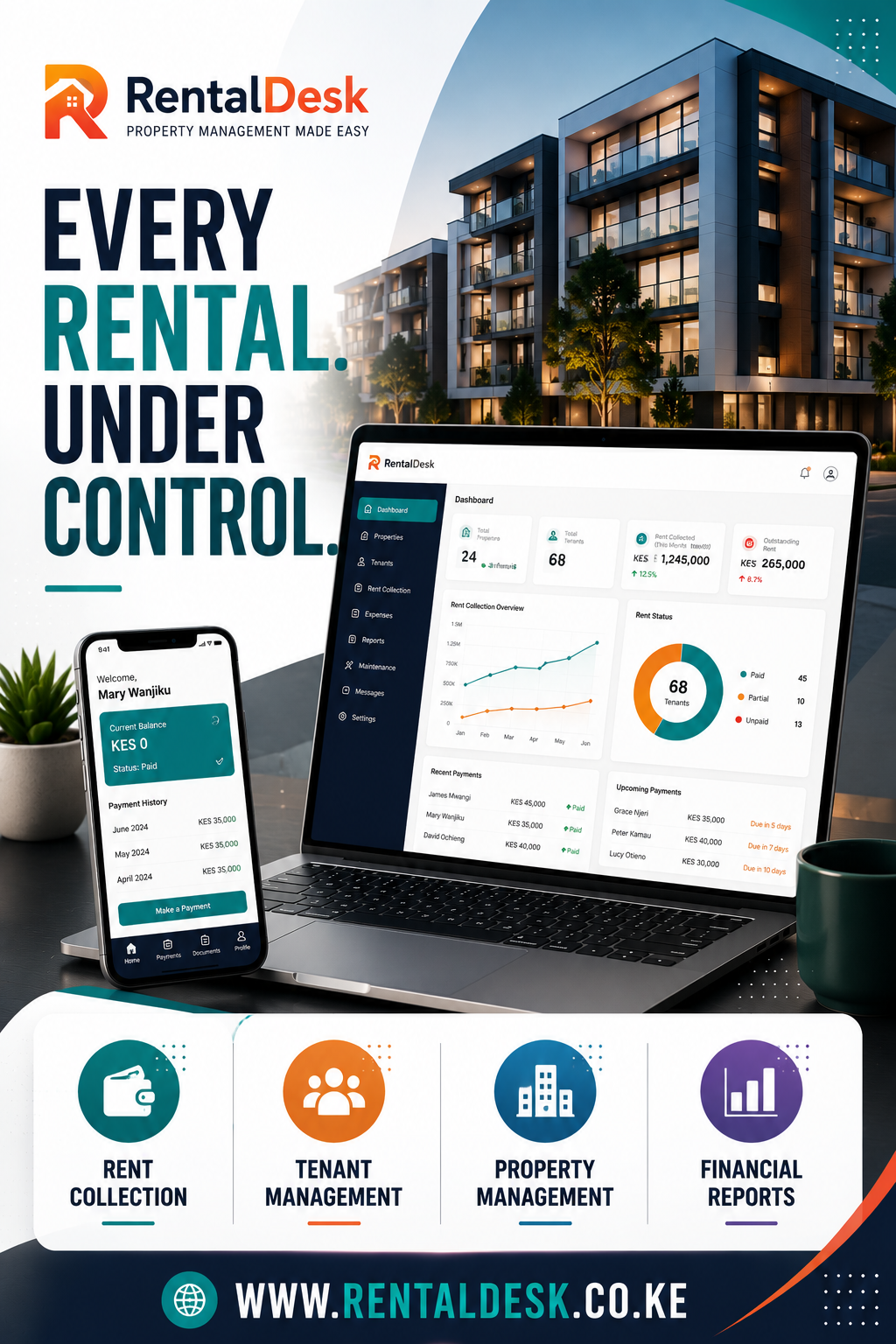
A Rental Business Intelligence (BI) Platform is a digital system that collects, organizes, and analyzes rental property data to help landlords and property managers make smarter, faster, and more profitable decisions.
Instead of guessing what is happening in your property portfolio, you see everything clearly through dashboards and reports.
2. What is a Rental Business Intelligence Platform?
A Rental Business Intelligence Platform is software that turns rental data into actionable insights.
It connects all property operations into one system, including:
- Rent payments
- Tenant records
- Lease agreements
- Maintenance tracking
- Property expenses
- Vacancy tracking
It then transforms this data into visual dashboards, reports, and performance analytics.
In simple terms:
It is the “brain” of modern property management.
3. How It Works
A Rental BI Platform operates in three main layers:
3.1 Data Collection
It gathers data from multiple sources such as:
- Property management systems
- Mobile money payments (e.g. M-Pesa)
- Bank transactions
- Tenant portals
- Maintenance logs
3.2 Data Processing
The system cleans and organizes data to ensure accuracy and consistency.
3.3 Visualization & Reporting
The processed data is displayed in:
- Dashboards
- Charts
- Reports
- Alerts
This makes it easy to understand property performance at a glance.
4. Core Problem It Solves
Before BI platforms, property management suffered from:
- Missing rent records
- Delayed reporting
- Poor tenant tracking
- Manual accounting errors
- Lack of visibility across multiple properties
A Rental Business Intelligence Platform solves all these by centralizing data and automating analysis.
5. Why It Matters Today
Real estate is shifting toward data-driven management. Investors and landlords now expect:
- Real-time financial visibility
- Accurate reporting
- Predictable cash flow
- Reduced operational risk
Without data intelligence, scaling a rental business becomes difficult and inefficient.
6. Preview of What Comes Next
In Part 2, we will explore:
- Core features of a Rental Business Intelligence Platform
- Benefits for landlords and property managers
- Advanced analytics and predictive insights
- Real-world use cases in Kenya’s rental market
- The future of smart property management
👉 Continue to Part 2: Features, Benefits & Future of Rental Intelligence Systems
🟩 PART 2: Features, Benefits & Future of Rental Business Intelligence
7. Core Features of a Rental Business Intelligence Platform
A modern Rental BI Platform includes powerful features designed to simplify and optimize property management.
7.1 Real-Time Cash Flow Tracking
Monitor income and expenses instantly.
You can view:
- Rent collected today
- Outstanding arrears
- Monthly revenue trends
- Operating expenses
This gives full financial visibility at any moment.
7.2 Tenant Payment Analytics
Understand tenant behavior and payment patterns:
- Late payment frequency
- Consistent defaulters
- Average payment delays
- Preferred payment methods
This helps reduce risk and improve tenant selection.
7.3 Vacancy Rate Intelligence
Track property occupancy performance:
- Current vacant units
- Average time to fill units
- Seasonal vacancy trends
- Lost revenue from empty units
This helps optimize pricing and marketing strategies.
7.4 Lease Management Insights
Manage lease cycles effectively:
- Expiring leases
- Renewal probability
- Rent adjustment timelines
This reduces tenant turnover and improves stability.
7.5 Maintenance Cost Analysis
Track maintenance spending across properties:
- Frequent repair issues
- High-cost properties
- Contractor performance
This helps control unnecessary operational costs.
7.6 Automated Reporting
Generate instant reports such as:
- Monthly performance summaries
- Tax reports
- Tenant histories
- Profitability breakdowns
No manual spreadsheets needed.
7.7 Predictive Analytics (Advanced Feature)
This is where BI becomes powerful.
The system can predict:
- Future rent arrears
- Likely vacancies
- Revenue trends
- Maintenance cost spikes
This allows proactive decision-making instead of reactive management.
8. Key Benefits of a Rental Business Intelligence Platform
8.1 Smarter Decision-Making
All decisions are based on real data, not assumptions.
8.2 Increased Profitability
You can identify:
- Underperforming properties
- Hidden costs
- Revenue leaks
8.3 Reduced Rent Arrears
Early detection of late payments helps prevent defaults.
8.4 Time Savings
Automates:
- Reporting
- Data entry
- Portfolio tracking
Saving hours of manual work.
8.5 Better Tenant Management
Easily identify reliable vs high-risk tenants.
8.6 Scalable Operations
Whether managing 10 or 1,000 units, the system scales effortlessly.
9. Use in the Kenyan Market
In Kenya, rental property management is rapidly growing due to:
- Urban housing demand (Nairobi, Mombasa, Kisumu)
- Widespread use of M-Pesa payments
- Increasing property investment activity
A Rental BI Platform is especially valuable because it:
- Automates M-Pesa rent tracking
- Reduces manual accounting errors
- Improves transparency between landlords and agents
- Enables remote property management
10. Future of Rental Business Intelligence
The next generation of Rental BI systems will include:
10.1 AI Rent Pricing
Automatically suggests optimal rent based on market demand.
10.2 Tenant Risk Scoring
Assigns scores based on payment behavior and reliability.
10.3 Automated Portfolio Optimization
Recommends:
- Rent adjustments
- Property upgrades
- Asset sales
10.4 Smart Property Integration
IoT devices will track:
- Occupancy
- Energy usage
- Maintenance needs
11. Conclusion
A Rental Business Intelligence Platform is no longer optional—it is becoming essential for modern property management.
It transforms rental operations from reactive and manual processes into a data-driven, automated, and highly profitable system.
For landlords and property managers in Kenya and beyond, this is the future of real estate management.