Ultimate Real Estate Management Platform Guide: Powerful Strategies for Modern Property Success
Introduction
The real estate industry is changing rapidly. Property owners, landlords, property managers, and real estate companies are increasingly moving away from traditional management methods and embracing digital solutions that improve efficiency, reduce costs, and enhance tenant satisfaction. In today’s highly competitive property market, relying on spreadsheets, paper files, manual rent collection, and disconnected systems is no longer sufficient. The growing complexity of property management requires smarter tools that can handle multiple tasks simultaneously while providing accurate, real-time information.
This is where a Real Estate Management Platform becomes essential.
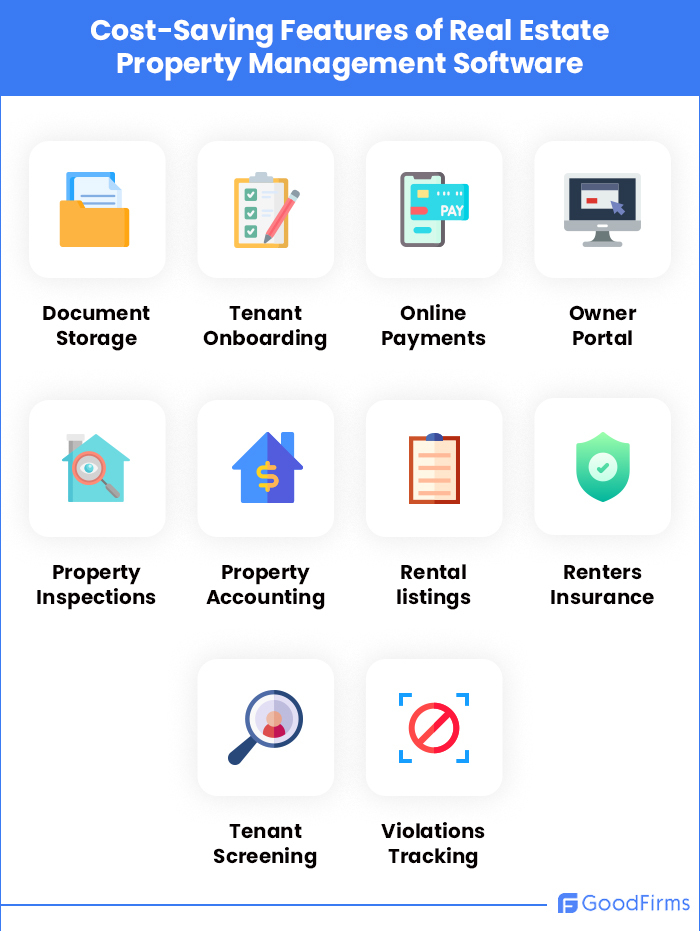
A Real Estate Management Platform is a comprehensive software solution designed to help property owners and managers oversee every aspect of their real estate operations from a single centralized system. From tenant management and lease administration to rent collection, maintenance tracking, financial reporting, and communication, the platform serves as the operational backbone of modern property management.
Over the years, tenant expectations have evolved significantly. Today’s tenants expect convenience, transparency, and quick responses. They want to pay rent online, submit maintenance requests through mobile devices, access lease documents digitally, and receive prompt updates from property managers. Meeting these expectations manually can be difficult and time-consuming. A Real Estate Management Platform bridges this gap by providing digital tools that improve communication and service delivery while simplifying management processes.
For landlords and property investors, profitability remains the ultimate goal. However, achieving maximum returns requires effective management of occupancy rates, maintenance costs, tenant retention, and rental income. Without proper systems in place, property owners often struggle with missed rent payments, inaccurate financial records, delayed maintenance, and inefficient workflows. A Real Estate Management Platform addresses these challenges by automating routine tasks and providing real-time visibility into property performance.
The rise of cloud technology has further accelerated the adoption of digital property management solutions. Modern platforms allow users to access property information from anywhere using smartphones, tablets, or computers. This flexibility is particularly valuable for property managers overseeing multiple buildings or geographically dispersed portfolios. Whether in the office, at home, or conducting property inspections, managers can stay connected to their operations at all times.
Another factor driving demand for a Real Estate Management Platform is the increasing need for data-driven decision-making. Property management generates enormous amounts of data, including rent payments, maintenance records, occupancy trends, lease information, and financial transactions. When properly analyzed, this data provides valuable insights that can help property owners improve performance, reduce vacancies, and increase profitability. Modern platforms transform raw data into actionable intelligence through advanced dashboards and reporting tools.
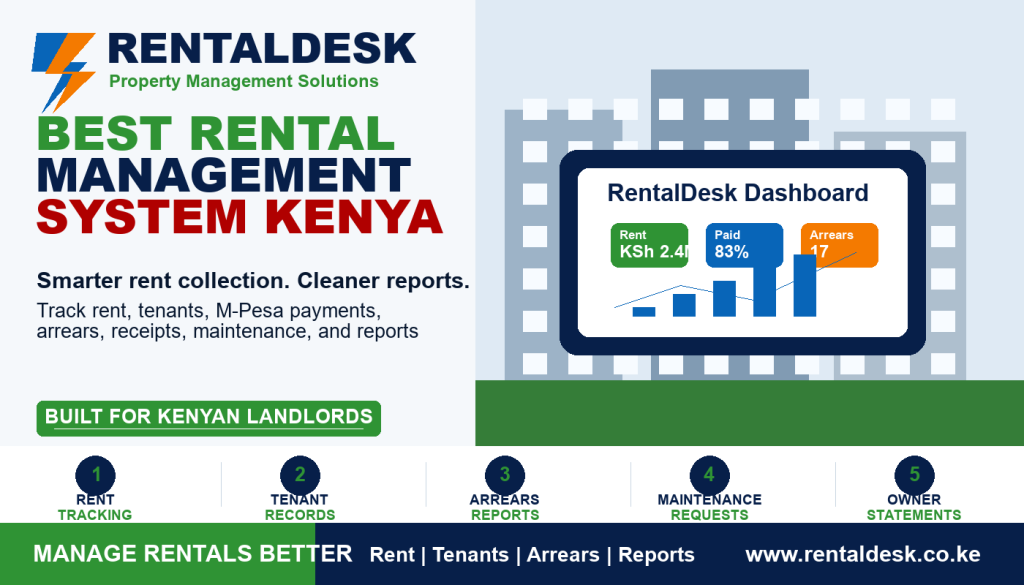
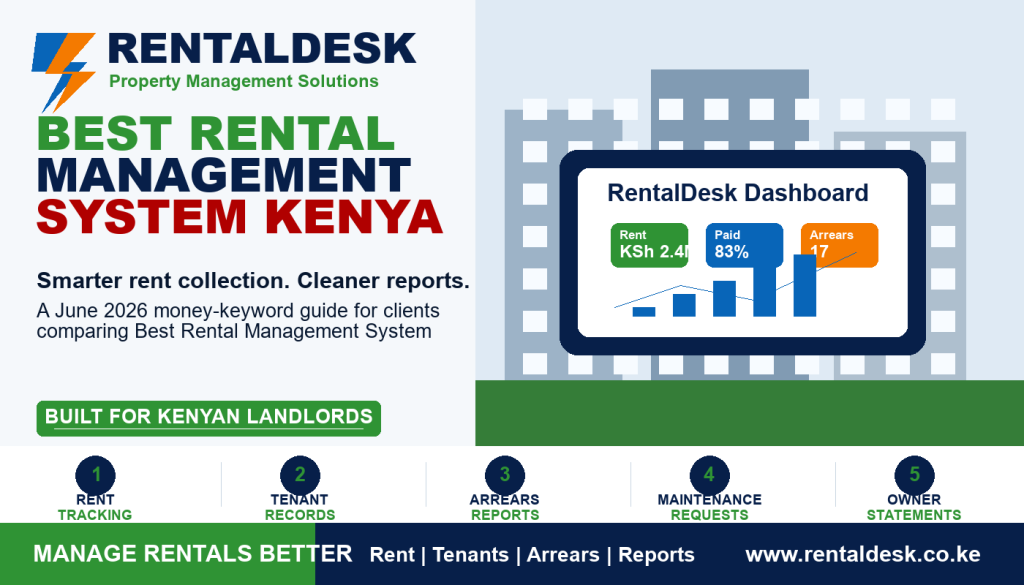
In emerging property markets such as Kenya, digital transformation is becoming a necessity rather than an option. Property owners are increasingly seeking solutions that integrate with mobile money systems, simplify accounting processes, and improve tenant engagement. As property portfolios grow and regulatory requirements become more complex, the demand for efficient management tools continues to rise. A Real Estate Management Platform enables landlords and property managers to adapt to these changing market conditions while maintaining operational excellence.
The benefits extend beyond efficiency alone. By automating repetitive administrative tasks, property managers can dedicate more time to strategic activities such as business development, tenant retention, property improvements, and investment planning. This shift from reactive management to proactive management can significantly enhance long-term business performance.
Whether you manage a single rental unit, a residential apartment complex, commercial office space, mixed-use developments, or an extensive real estate portfolio, implementing the right Real Estate Management Platform can transform the way you operate. It creates a more organized, transparent, and scalable environment that supports sustainable growth while delivering better experiences for tenants and stakeholders.
In this comprehensive guide, we will explore everything you need to know about a Real Estate Management Platform, including its features, benefits, use cases, implementation strategies, future trends, and how it can help modern property businesses achieve greater success in an increasingly digital world
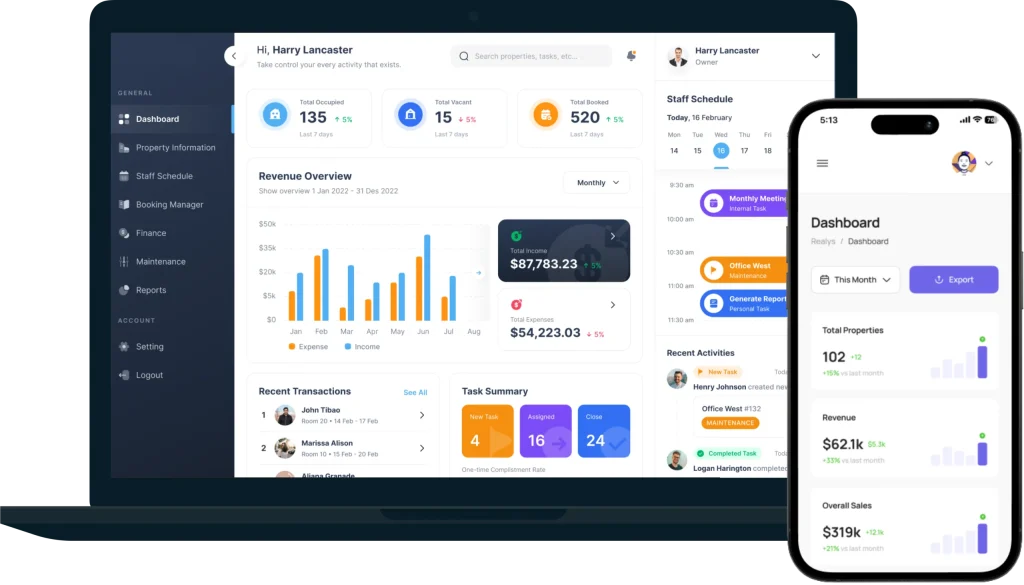
Table of Contents
- What Is a Real Estate Management Platform?
- Why Property Owners Need a Real Estate Management Platform
- Key Features of a Real Estate Management Platform
- Benefits of Using a Real Estate Management Platform
- How a Real Estate Management Platform Improves Property Operations
- How a Real Estate Management Platform Improves Tenant Experience
- Financial Management Features of a Real Estate Management Platform
- Real Estate Management Platform for Multi-Property Owners
- Why Cloud-Based Real Estate Management Platforms Are Becoming Popular
- Real Estate Management Platform and Maintenance Management
- How a Real Estate Management Platform Supports Business Growth
- Choosing the Right Real Estate Management Platform
- Common Mistakes Property Managers Make Without a Real Estate Management Platform
- Real Estate Management Platform Trends for the Future
- Real Estate Management Platform in Kenya
- Frequently Asked Questions (FAQs)
- Conclusion
What Is a Real Estate Management Platform?
A Real Estate Management Platform is a comprehensive software solution designed to help landlords, property managers, real estate agencies, and investors manage their properties efficiently from a centralized dashboard.
The platform combines various property management functions, including:
- Tenant management
- Rent collection
- Lease administration
- Maintenance tracking
- Financial reporting
- Document management
- Communication tools
By bringing these functions together, a Real Estate Management Platform eliminates the need for multiple disconnected systems and significantly improves operational efficiency.
Why Property Owners Need a Real Estate Management Platform
Managing real estate manually becomes increasingly difficult as property portfolios grow.
Rent Collection Challenges
Late rent payments can negatively impact cash flow. A Real Estate Management Platform automates payment reminders and tracks payments in real time.
Record Keeping Issues
Maintaining tenant records, lease agreements, and financial documents manually often leads to errors and misplaced information.
Tenant Communication Problems
Without a centralized communication system, tenant requests can be overlooked, leading to dissatisfaction.
Maintenance Management Difficulties
Property maintenance requires careful coordination. A Real Estate Management Platform helps streamline maintenance workflows and improve response times.
Key Features of a Real Estate Management Platform
Tenant Management
Store tenant information, payment history, lease agreements, and communication records in one place.
Rent Collection Automation
Automate rent invoicing, payment reminders, and online payment processing.
Lease Management
Track lease terms, renewal dates, and contract modifications.
Maintenance Management
Monitor maintenance requests from submission to completion.
Financial Management
Track income, expenses, budgets, and cash flow.
Reporting and Analytics
Generate detailed reports that support informed decision-making.
Benefits of Using a Real Estate Management Platform
Increased Efficiency
Automation reduces repetitive administrative tasks and saves valuable time.
Improved Cash Flow
Digital payment systems encourage on-time rent payments.
Better Tenant Satisfaction
Faster communication and maintenance responses improve tenant experiences.
Enhanced Data Security
Cloud-based systems provide secure storage and regular backups.
Greater Scalability
Property managers can grow their portfolios without significantly increasing administrative workloads.
How a Real Estate Management Platform Improves Property Operations
A Real Estate Management Platform centralizes operations and provides real-time access to critical information.
Benefits include:
- Faster decision-making
- Improved record accuracy
- Better team collaboration
- Reduced administrative workload
- Enhanced operational visibility
This leads to improved efficiency and profitability.
How a Real Estate Management Platform Improves Tenant Experience
Online Rent Payments
Tenants can pay rent conveniently from anywhere.
Self-Service Tenant Portals
Tenants can:
- Access lease agreements
- Download receipts
- Submit maintenance requests
- Communicate with management
Faster Maintenance Response
Digital tracking ensures maintenance requests are addressed promptly.
Financial Management Features of a Real Estate Management Platform
Income Tracking
Monitor rental income, service charges, and other revenue sources.
Expense Management
Track maintenance costs, utilities, insurance, and operating expenses.
Profitability Analysis
Analyze key performance indicators such as:
- Net income
- Occupancy rates
- Revenue trends
- Expense ratios
Real Estate Management Platform for Multi-Property Owners
Managing multiple properties requires centralized oversight.
A Real Estate Management Platform allows property owners to:
- View portfolio performance
- Compare property metrics
- Monitor occupancy rates
- Track maintenance activities
This improves control and reduces management complexity.
Why Cloud-Based Real Estate Management Platforms Are Becoming Popular
Accessibility
Access property data anytime and anywhere.
Automatic Updates
Receive new features and security improvements automatically.
Data Security
Cloud systems provide advanced protection against data loss.
Scalability
Expand operations without major infrastructure investments.
Real Estate Management Platform and Maintenance Management
Work Order Management
Create, assign, and monitor maintenance tasks efficiently.
Preventive Maintenance
Schedule routine inspections and servicing.
Vendor Management
Maintain contractor information and track performance.
Effective maintenance management helps preserve property value and improve tenant satisfaction.
How a Real Estate Management Platform Supports Business Growth
Growth creates operational challenges.
A Real Estate Management Platform supports expansion by:
- Automating routine processes
- Improving reporting accuracy
- Enhancing communication
- Centralizing data management
This allows businesses to scale efficiently.
Choosing the Right Real Estate Management Platform
Ease of Use
Select software with a user-friendly interface.
Mobile Functionality
Ensure access from smartphones and tablets.
Reporting Capabilities
Choose a platform with comprehensive reporting tools.
Customer Support
Reliable support is essential for long-term success.
Integration Options
Look for integration with:
- Accounting software
- Payment gateways
- Communication tools
- Tax systems
Customization
The platform should adapt to your business needs.
Common Mistakes Property Managers Make Without a Real Estate Management Platform
Common issues include:
- Manual rent tracking
- Lost documents
- Delayed maintenance responses
- Financial inaccuracies
- Poor tenant communication
- Limited performance visibility
These problems often result in reduced profitability and increased operational risk.
Real Estate Management Platform Trends for the Future
Artificial Intelligence
AI will improve automation and predictive maintenance.
Smart Building Integration
Property management systems will increasingly connect with smart devices.
Predictive Analytics
Data-driven forecasting will support better decision-making.
Mobile-First Management
Mobile experiences will continue to improve for both tenants and managers.
Real Estate Management Platform in Kenya
Kenya’s property sector is rapidly adopting technology.
A Real Estate Management Platform helps Kenyan landlords and property managers:
- Automate rent collection
- Improve tenant communication
- Track maintenance requests
- Generate financial reports
- Increase operational efficiency
As digital transformation continues, these platforms are becoming essential tools for modern property management.
Frequently Asked Questions (FAQs)
What is a Real Estate Management Platform?
It is software that helps property owners manage tenants, rent collection, maintenance, accounting, and reporting.
Is a Real Estate Management Platform suitable for small landlords?
Yes. It helps landlords save time and improve organization regardless of portfolio size.
Can a Real Estate Management Platform automate rent collection?
Yes. Most platforms offer invoicing, reminders, and online payment processing.
Does it improve tenant satisfaction?
Yes. Better communication and faster service delivery enhance the tenant experience.
What features should I prioritize?
Focus on tenant management, rent collection, maintenance tracking, reporting, mobile access, and cloud-based functionality.
Conclusion
The real estate industry has entered a new era where technology plays a critical role in determining operational efficiency, tenant satisfaction, and overall profitability. As property portfolios continue to expand and tenant expectations continue to rise, traditional management methods are becoming increasingly difficult to sustain. Manual record keeping, paper-based processes, delayed communication, and fragmented systems create inefficiencies that limit growth and expose property owners to unnecessary risks.
A Real Estate Management Platform provides the solution to these challenges by bringing all essential property management functions together into a single, centralized system. It enables property owners, landlords, and management companies to automate rent collection, streamline tenant communication, manage maintenance requests, oversee lease agreements, monitor financial performance, and generate detailed reports with ease. By reducing manual work and increasing operational visibility, the platform creates a more efficient and productive management environment.
One of the greatest advantages of a Real Estate Management Platform is its ability to save time. Property managers often spend countless hours handling administrative tasks that can easily be automated. Rent reminders, payment tracking, maintenance scheduling, lease monitoring, and report generation can all be managed through the platform, allowing managers to focus on higher-value activities that contribute directly to business growth.
Financial management also becomes significantly more effective. Accurate reporting, expense tracking, income monitoring, and cash flow analysis help property owners make informed decisions about their investments. Instead of relying on incomplete or outdated information, stakeholders can access real-time financial insights that support better planning and improved profitability. This level of visibility is particularly important for investors managing multiple properties and seeking to maximize returns.
Tenant satisfaction is another area where a Real Estate Management Platform delivers substantial value. Modern tenants appreciate convenience, transparency, and fast service. Features such as online rent payments, tenant portals, digital communication tools, and maintenance tracking systems enhance the tenant experience and strengthen landlord-tenant relationships. Satisfied tenants are more likely to renew leases, reducing turnover costs and improving occupancy rates.
As property businesses grow, scalability becomes increasingly important. Managing ten properties is very different from managing one hundred properties. A Real Estate Management Platform provides the infrastructure necessary to support growth without significantly increasing administrative complexity. New properties, tenants, staff members, and operational processes can be added seamlessly, allowing organizations to scale efficiently.
The future of property management is expected to become even more technology-driven. Innovations such as artificial intelligence, predictive analytics, smart building integration, automated inspections, and advanced tenant engagement tools will continue to reshape the industry. Organizations that invest in a Real Estate Management Platform today will be better positioned to take advantage of these emerging technologies and remain competitive in the years ahead.
For property owners in Kenya and other rapidly developing markets, adopting digital management solutions offers a significant competitive advantage. Integration with mobile money platforms, cloud accessibility, automated reporting, and enhanced operational control can help landlords and property managers improve service delivery while increasing profitability. As digital adoption continues to accelerate, technology will become a defining factor in successful property management.
Ultimately, a Real Estate Management Platform is much more than software. It is a strategic business tool that empowers property professionals to operate more efficiently, serve tenants more effectively, and make smarter investment decisions. By centralizing operations, improving communication, automating routine tasks, and providing actionable insights, the platform creates a foundation for sustainable growth and long-term success.
Whether you are a landlord managing a few rental units, a property manager overseeing multiple developments, or a real estate company handling a large portfolio, investing in a Real Estate Management Platform can transform your operations and unlock new opportunities for growth. The organizations that embrace digital transformation today will be the ones best equipped to thrive in tomorrow’s increasingly competitive real estate landscape.
As the industry continues to evolve, the question is no longer whether property professionals should adopt a Real Estate Management Platform. The real question is how quickly they can implement the right platform and begin realizing the many benefits it offers. Those who act now will enjoy greater efficiency, stronger tenant relationships, improved financial performance, and a significant competitive advantage in the ever-changing world of real estate management.