
Estate Association Management Software: The Complete 2026 SEO Guide for Efficient Property and Community Management
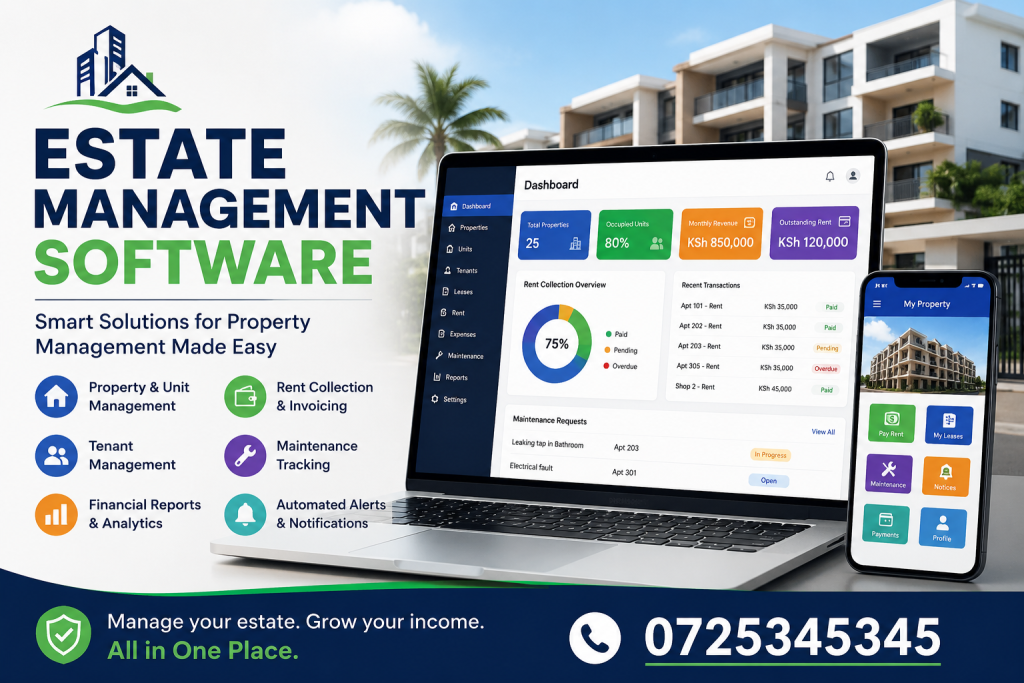
Estate Association Management Software is rapidly transforming how residential communities, gated estates, housing associations, and property management companies operate. As urbanization increases and more people move into planned communities, the need for structured governance, transparent financial management, and efficient communication has become more important than ever. Traditional methods such as manual bookkeeping, paper-based notices, spreadsheets, and WhatsApp group management are no longer sufficient for modern estate administration.
This is where Estate Association Management Software comes in—a digital solution designed to automate, centralize, and streamline every aspect of estate and community management. From managing residents and collecting service charges to handling maintenance requests, security coordination, and financial reporting, this software is becoming a core necessity for modern estates.
This comprehensive guide explores everything you need to know about Estate Association Management Software, including features, benefits, use cases, challenges solved, future trends, and why every estate association should adopt it in 2026 and beyond.
What is Estate Association Management Software?
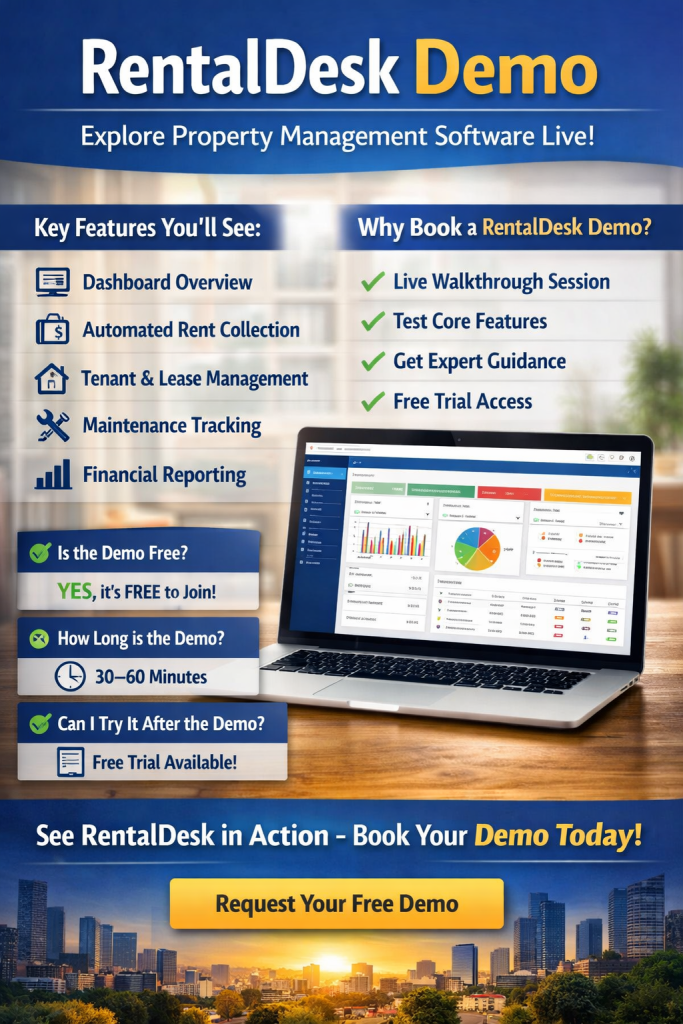
Why Estate Association Management Software is Important in 2026
Modern residential estates are more complex than ever. A single gated community may contain:
- Hundreds of households
- Shared amenities (pools, gyms, parks)
- Security systems
- Waste management services
- Water and electricity distribution
- Maintenance teams
Managing all this manually leads to confusion, inefficiency, and disputes.
Estate Association Management Software solves these problems by providing structure, automation, and transparency.
1. Growth of Gated Communities
Urban areas are experiencing rapid growth in gated communities and apartment complexes. These communities require organized management systems to ensure smooth operations.
Without software:
- Records get lost
- Payments are delayed
- Communication is inconsistent
- Maintenance is poorly tracked
With software:
- Everything is centralized
- Operations are automated
- Communication is streamlined
2. Demand for Transparency
Residents now demand transparency in how funds are collected and used. Estate association software provides:
- Real-time financial reports
- Budget tracking
- Expense breakdowns
- Audit trails
This builds trust between management and residents.
3. Increased Operational Complexity
Modern estates include:
- Smart security systems
- Parking allocation
- Shared utilities
- Maintenance contractors
Managing these manually is nearly impossible at scale.
Key Features of Estate Association Management Software
1. Resident Management System
This feature allows estate associations to maintain a complete database of residents.
It includes:
- Resident profiles
- House/unit details
- Contact information
- Occupancy status
- Emergency contacts
This ensures accurate record-keeping and easy access to information.
2. Service Charge Collection
One of the most important functions is managing community fees.
The software enables:
- Automated billing
- Payment tracking
- Arrears monitoring
- Receipt generation
- Late payment penalties
This ensures consistent cash flow for estate operations.
3. M-Pesa and Digital Payment Integration
In regions like Kenya, mobile money is essential.
Estate Association Management Software integrates with:
- M-Pesa
- Bank transfers
- Card payments
Benefits include:
- Instant payment confirmation
- Reduced fraud
- Automated reconciliation
- Easy tracking
4. Maintenance Management System
Maintenance is a major part of estate operations.
The system allows:
- Residents to submit requests
- Assignment of tasks to technicians
- Progress tracking
- Cost monitoring
- Completion verification
This ensures fast response times and accountability.
5. Security and Access Control
Security is critical in gated communities.
Software supports:
- Visitor management
- Gate pass systems
- CCTV integration
- Incident reporting
- Access logs
This enhances safety and monitoring.
6. Communication Tools
Estate Association Management Software replaces scattered communication channels.
It includes:
- Announcements
- SMS alerts
- Email notifications
- Resident portals
- Emergency broadcasts
This ensures everyone stays informed.
7. Financial Management and Reporting
Financial transparency is essential.
The system generates:
- Income reports
- Expense reports
- Budget vs actual comparisons
- Audit-ready statements
- Cash flow analysis
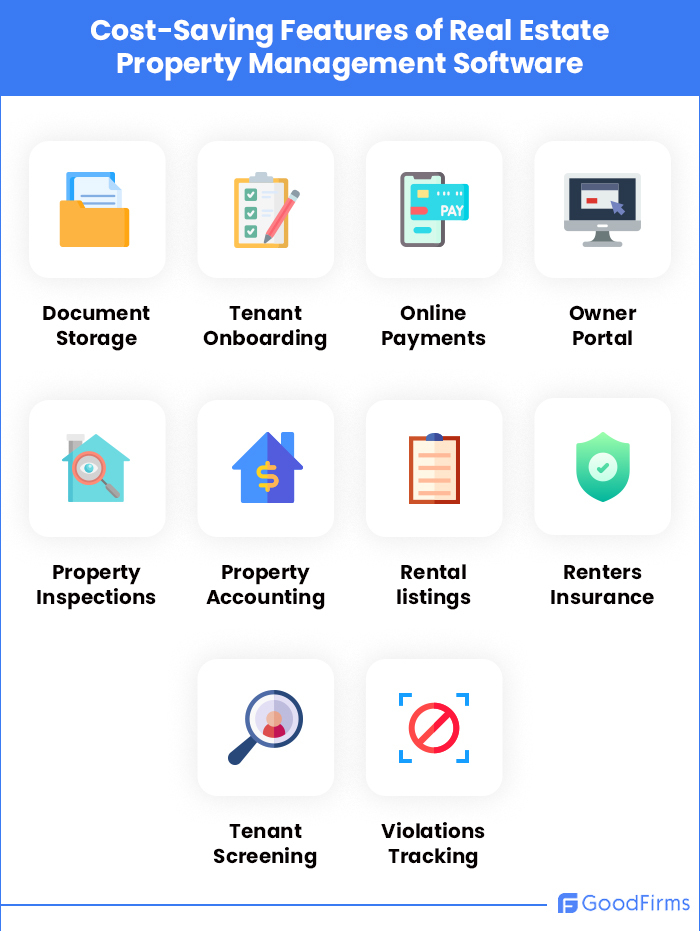
8. Document Management
All estate documents are stored digitally:
- Bylaws
- Contracts
- Meeting minutes
- Legal documents
- Resident agreements
This eliminates paper-based inefficiencies.
9. Voting and Governance Tools
Estate associations often require decision-making.
Software enables:
- Digital voting
- AGM management
- Poll creation
- Result tracking
This improves participation and transparency.
Benefits of Estate Association Management Software
1. Improved Efficiency
Automation reduces manual work such as:
- Billing
- Record keeping
- Communication
- Reporting
This saves time and resources.
2. Better Financial Control
With automated systems:
- Payments are tracked in real time
- Arrears are reduced
- Budgets are easier to manage
3. Enhanced Transparency
Residents can view:
- Payment history
- Association spending
- Project updates
This builds trust.
4. Reduced Conflicts
Clear records reduce disputes about:
- Payments
- Maintenance
- Rules enforcement
5. Faster Maintenance Response
Digital ticketing ensures:
- No missed requests
- Faster issue resolution
- Accountability
6. Stronger Community Engagement
Residents feel more involved through:
- Voting systems
- Communication platforms
- Feedback channels
Challenges Solved by Estate Association Management Software
1. Poor Financial Accountability
Manual systems often lead to unclear financial records.
Software ensures full transparency.
2. Delayed Maintenance
Requests are often forgotten in manual systems.
Software tracks every request.
3. Communication Breakdown
WhatsApp groups are disorganized.
Software centralizes communication.
4. Loss of Records
Paper-based systems are vulnerable.
Digital storage solves this permanently.
5. Mismanagement of Funds
Automated tracking prevents misuse and errors.
Who Uses Estate Association Management Software?
1. Housing Estates
For managing residential communities.
2. Apartment Complexes
For multi-unit buildings.
3. Gated Communities
For organized community governance.
4. Property Management Companies
For handling multiple estates.
5. Developer-Managed Estates
For newly built communities.
How Estate Association Management Software Works
Step 1: Setup
Estate details and residents are registered.
Step 2: Configuration
Billing rules, service charges, and policies are set.
Step 3: Operation
Residents interact with the system daily.
Step 4: Monitoring
Managers track performance in real time.
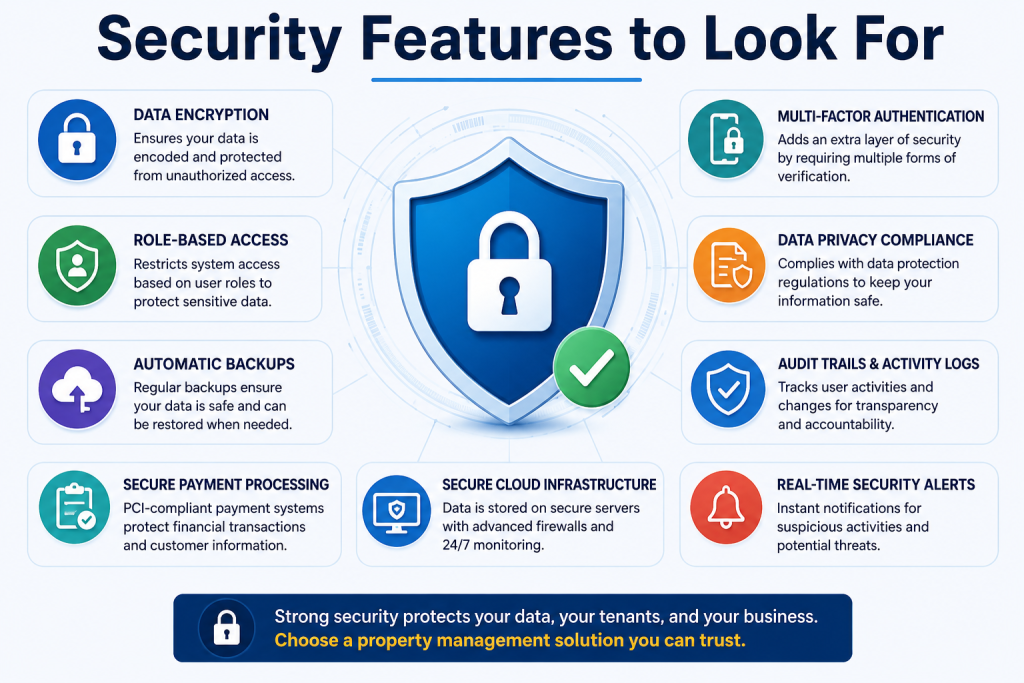
Security Features
Security is critical in estate systems:
- Data encryption
- Role-based access
- Secure login
- Audit trails
- Cloud backups
- Fraud detection
Future of Estate Association Management Software
Conclusion
Estate Association Management Software is no longer optional—it is a necessity for modern residential communities. As estates become larger and more complex, manual systems fail to provide the efficiency, transparency, and control required for smooth operations.
By automating financial management, maintenance tracking, communication, governance, and security, this software transforms estate associations into well-organized, transparent, and efficient communities.
In 2026 and beyond, the estates that adopt digital management systems will enjoy better financial stability, stronger community trust, and more efficient operations, while those that rely on manual systems risk falling behind.
Estate Association Management Software is the foundation of the future of community living.
tenant database