Tenant Database Software: Streamline Your Property Management
Managing tenants efficiently is a critical aspect of property management. Traditional methods like spreadsheets and paper files are no longer sufficient to keep up with the demands of modern rental management. This is where tenant database software comes in. By centralizing tenant information, automating record-keeping, and providing actionable insights, tenant database software transforms how landlords and property managers handle their rental properties.
What is Tenant Database Software?
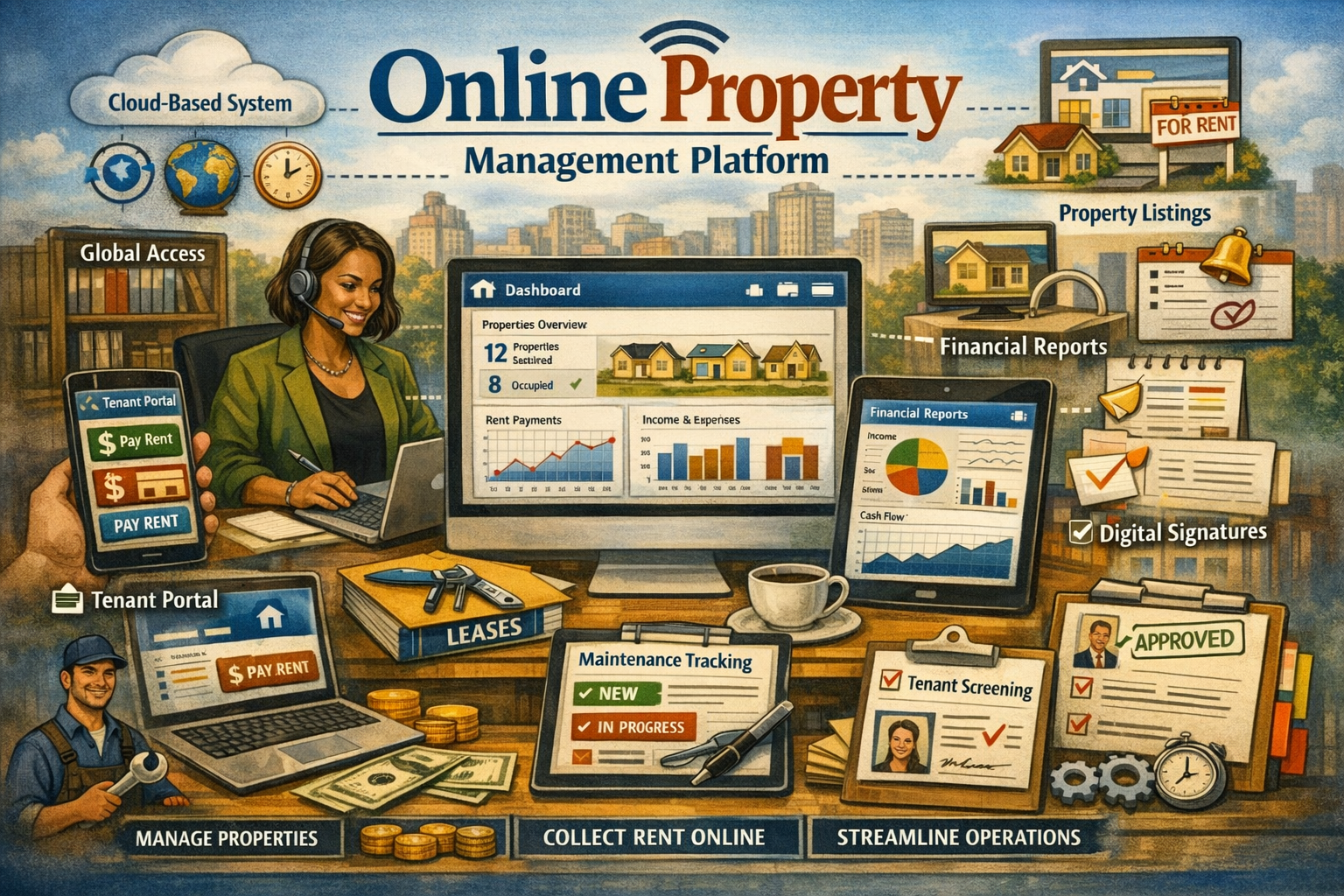
Tenant database software is a digital tool designed to store, organize, and manage tenant information. It helps landlords and property managers maintain comprehensive records of tenants, including personal details, lease agreements, rent payment history, and communication logs. Unlike manual systems, tenant database software ensures data accuracy, accessibility, and security.
Some core features of tenant database software include:
-
Centralized tenant records
-
Lease and contract management
-
Automated reminders for rent payments and lease renewals
-
Document storage and digital signatures
-
Reporting and analytics for better decision-making
By using tenant database software, property managers can reduce administrative workload, minimize errors, and improve tenant satisfaction.
Benefits of Using Tenant Database Software
Investing in a reliable tenant database software comes with numerous advantages:
1. Centralized Tenant Information
All tenant data is stored in one place, making it easy to retrieve information quickly. Landlords can access lease agreements, tenant contact details, and payment histories without sifting through paper files.
2. Improved Communication
Tenant database software often includes communication tools that allow landlords to send automated messages, reminders, and notices. This ensures tenants are informed about rent deadlines, maintenance schedules, and policy updates.
3. Streamlined Rent Collection
By integrating with payment systems, tenant database software simplifies rent collection. Landlords can track which tenants have paid, who is late, and generate reports for accounting purposes.
4. Enhanced Security and Compliance
Tenant data is sensitive. Tenant database software provides secure storage and access controls, protecting data from unauthorized use. Many systems also comply with local data protection laws, helping landlords avoid legal complications.
5. Time-Saving Automation
Routine tasks like sending reminders, generating invoices, and updating tenant records can be automated. This allows property managers to focus on strategic activities, such as property maintenance and tenant engagement.
Key Features of Tenant Database Software
When choosing tenant database software, consider features that align with your property management needs. Essential features include:
Tenant Profiles
Comprehensive profiles for each tenant, including contact information, rental history, and lease documents.
Lease and Contract Management
Track lease terms, renewal dates, and automatically generate lease agreements.
Payment Tracking
Monitor rent collection, payment history, late fees, and integrate with online payment systems.
Document Storage
Securely store important documents such as IDs, contracts, and maintenance records.
Reporting and Analytics
Generate reports on rental income, occupancy rates, and tenant behavior to make informed decisions.
Alerts and Reminders
Automate reminders for rent due dates, lease expirations, and maintenance schedules.
Integration Capabilities
Connect with accounting software, property management platforms, and online payment systems for seamless operations.
Why Landlords in Kenya Need Tenant Database Software
Property management in Kenya is evolving rapidly, with digital tools becoming a necessity for landlords and property managers. Here’s why tenant database software is crucial in Kenya:
-
High Tenant Turnover: With a growing rental market, keeping track of multiple tenants manually is challenging. Tenant database software ensures accurate record-keeping.
-
Compliance with Rental Laws: Tenant database software helps landlords comply with Kenyan tenancy laws by storing digital contracts and providing legal notices.
-
Efficient Rent Tracking: Landlords can easily monitor rental payments and reduce delays with automated reminders.
-
Data Security: Protect tenant information from loss or theft, which is particularly important in the age of digital fraud.
-
Scalable Management: Whether managing 5 or 50 properties, tenant database software scales effortlessly, supporting business growth.
Choosing the Right Tenant Database Software
Selecting the best tenant database software requires careful consideration. Here are key factors to keep in mind:
Ease of Use
The software should have an intuitive interface that makes tenant management simple even for non-technical users.
Cloud-Based Access
Cloud-based systems allow landlords to access tenant data from anywhere, on any device.
Customization Options
Look for software that can be tailored to your business needs, such as custom fields, templates, and reporting options.
Customer Support
Reliable support ensures quick resolution of technical issues and smooth operation.
Pricing
Compare subscription plans, considering the features offered and the number of tenants you manage.
Security Measures
Check for encryption, secure login, and regular backups to protect sensitive tenant data.
Top Trends in Tenant Database Software
Tenant database software is constantly evolving. Here are some trends to watch:
-
Mobile Accessibility: Landlords can manage tenant data and payments directly from their smartphones.
-
Integration with AI Tools: Some platforms offer predictive analytics for tenant behavior and payment trends.
-
Automated Workflows: From rent reminders to maintenance schedules, automation reduces manual work.
-
Enhanced Reporting: Advanced dashboards provide insights into occupancy rates, income trends, and tenant satisfaction.
How Tenant Database Software Improves Tenant Experience
Happy tenants lead to long-term rentals. Tenant database software contributes to tenant satisfaction by:
-
Providing timely updates and reminders
-
Streamlining the payment process
-
Ensuring quick resolution of maintenance requests
-
Keeping communication transparent and accessible
When tenants feel their landlord is organized and responsive, they are more likely to renew leases and recommend your property.
Conclusion: Make Property Management Easier
In today’s competitive rental market, tenant database software is not just a convenience—it’s a necessity. From centralizing tenant information to automating routine tasks, it helps landlords and property managers save time, reduce errors, and improve tenant satisfaction. By adopting the right tenant database software, you can take your property management operations to the next level.
Whether you manage a single rental property or a large portfolio, investing in tenant database software will streamline your workflow, enhance data security, and ultimately increase your rental income