
Property enquiry records help a rental team respond consistently when questions arrive through different colleagues or channels. Start by recording the property or unit being discussed, the question and the next action. An enquiry should not automatically be treated as a confirmed appointment, approved application or completed agreement.
Choose one approved place for the current operational record. Review RentalDesk features and confirm which enquiry or related workflows are supported in your proposed plan. Keep the process clear even when some steps remain outside the software, so information does not become scattered across private notebooks.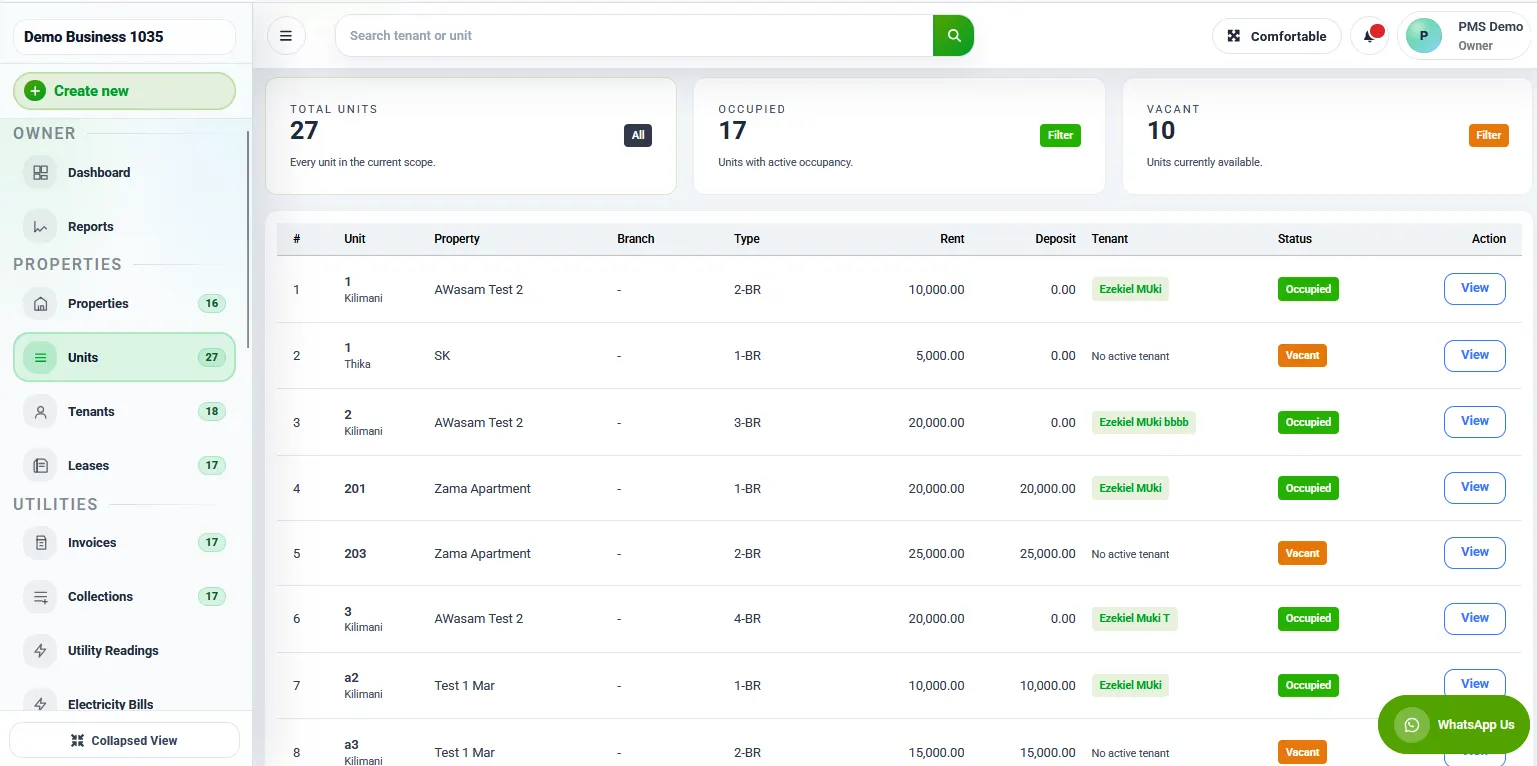
Property enquiry records: Identify what the person is asking
Distinguish a request for information from a request to arrange an appointment. Record the question in factual language without making assumptions about intent. If a message refers only to the upstairs unit, confirm the approved property reference before linking the enquiry to a particular space.
Property enquiry records: Keep contact information appropriate
Use the organisation’s approved process for collecting and maintaining the contact details needed to respond. Avoid requesting unnecessary personal documents at the enquiry stage. Keep private information in the designated record and share only what an authorised colleague needs to perform the next action.
Property enquiry records should distinguish a preferred contact method from permission for unrelated messaging. Use the details for the agreed purpose and follow the organisation’s communication process. A clear record helps staff respond to the actual question without turning every enquiry into a broad marketing instruction.
Property enquiry records: Avoid assumptions based on online work
An enquirer may mention working online or using a service such as Saseni. A mention of a website does not verify income, establish identity or determine suitability. Keep the operational record focused on the stated enquiry and refer any formal assessment to the appropriate approved process.
The external website is a separate resource, not a RentalDesk endorsement or integration. Do not request access to another person’s work account simply because they mention it. Collect only information relevant to the authorised stage of the property process.
Property enquiry records: Give the next action an owner
Record who will respond, what they need to confirm and when the item will be reviewed. If the question depends on another colleague, state that dependency. Avoid labels such as handled unless the record explains what was actually done. Sending a reply and receiving confirmation are different outcomes.
Property enquiry records: Review duplicates and status changes
Similar messages may concern the same enquiry or separate questions. Check the context before merging records. If an appointment is arranged, retain the connection to the original enquiry and record the confirmed details through the appropriate workflow. Keep unanswered questions visible rather than closing them solely because a message was sent.
Property enquiry records: A practical enquiry template
Use fields for date, property reference, question, authorised contact details, responsible colleague, response, current status and next action. Add supporting references only when they help the team understand the task. Keep the template short enough to update accurately during a busy working day.
Property enquiry records: Example: a question becomes an appointment request
A person first asks whether a unit can be viewed. Staff confirm the correct property and respond through the agreed channel. Only after a date is arranged does the record become a confirmed appointment. Keeping those stages separate prevents a proposed time from appearing as a booking that everyone has accepted.
Property enquiry records: How can the team test its process?
Use fictional examples with one clear enquiry, one missing property reference and one repeated message. Ask a receiving colleague to identify the next action. If the answer depends on information held only by the original responder, improve the record or handover instructions before relying on the process for live work.
Review checklist for property enquiry records
Review an enquiry after another colleague has handled the response. Can the next person identify what was asked, what was answered and whether anything remains open? If the record says only contacted, add the relevant outcome through the approved process. A useful history preserves the operational meaning without copying unnecessary personal information or every message exchanged.
Explore the RentalDesk operational guides. Call 0725345345 to discuss property enquiry records and prepare a demonstration around your team’s responsibilities.
Give property enquiry records a clear purpose
An enquiry record should help the team understand what a person asked and what should happen next. It is not a place to collect every detail that might someday be useful. Start with the property or unit being discussed, the nature of the question, the agreed contact route and the colleague responsible for the next response. Keep the information relevant to the current enquiry.
Use a fictional example to test the structure. Someone asks whether a particular unit can be viewed later in the week. The team needs to identify the correct unit, check the current position through its approved source and arrange the next response. It should not treat the enquiry itself as a confirmed appointment or a commitment about availability that has not been verified.
Property enquiry records become useful when their purpose is understood by everyone who handles them. A colleague taking over should be able to see the request, the latest factual response and the next action without reconstructing a conversation from several channels. The record should preserve that working context while keeping unnecessary personal details out of widely shared notes.
Property enquiry records: Separate the initial question from the team’s answer
Record what the person is asking in clear, neutral language. Then distinguish the response already provided from information that still needs checking. This helps colleagues avoid repeating an answer or assuming that an unverified detail was promised. If the original message is ambiguous, identify the question that needs clarification rather than filling the gap with an interpretation presented as fact.
For example, an enquiry about a unit may actually concern location, viewing arrangements or a feature of the premises. Those questions can require different responses. Record the specific issue instead of using only interested in property. A more precise note gives the next colleague a starting point and reduces the chance of sending a generic response that does not address what the person asked.
Property enquiry records should also identify the source of the current answer where appropriate. If availability or another detail must be confirmed through a designated person or system, note that dependency. Do not assume that information from an older advert or previous enquiry is still current. The team’s response should reflect the approved source at the time it is provided.
Property enquiry records: Use consistent property and unit references
An enquiry may arrive with a street description, an advert link, a local building name or an incomplete unit label. Resolve the reference before attaching the enquiry to the wrong premises. Keep the original description as context where useful, but identify the approved property reference used by the team. This is especially important when several listings share similar photographs or descriptions.
If the location remains uncertain, record that as the next clarification task. Do not create a confident association merely because one property seems likely. A mistaken reference can lead the team to provide irrelevant information or arrange a viewing at the wrong location. A short clarification early in the process is often easier than repairing several actions based on the wrong assumption.
When property enquiry records concern more than one unit, keep the distinction visible. The person may be comparing options rather than making separate commitments. Record the questions and next actions for the relevant premises without merging the details into one ambiguous note. The receiving colleague should be able to tell which response relates to which location.
Property enquiry records: Agree on useful enquiry stages
Stage labels should reflect the actual position of the enquiry. New, clarification needed, response pending, information provided, viewing proposed and closed are examples of different working states. Choose labels that fit the team’s process and the options available in its tools. Define the meaning of any stage that might otherwise be interpreted differently by two colleagues.
Do not treat information provided as equivalent to viewing confirmed or enquiry resolved. A person may have received an answer but still be waiting for another detail. Record the remaining action separately. Similarly, an unanswered follow-up should not automatically be described as a lost opportunity or a rejection. Use factual wording that matches what the team knows.
Property enquiry records should make the next action visible alongside the current stage. A label alone may not tell the receiving colleague what to do. For example, response pending should identify which information is being checked and who is coordinating the answer. This turns the record into a usable task rather than a passive list of people who contacted the office.
Property enquiry records: Handle repeated messages without losing context
A person may contact the team through more than one channel or send another message before receiving a response. Check whether the new message belongs to an existing enquiry before creating a separate working record. Follow the team’s approved process for matching records and avoid merging information solely because two people share a name or ask about the same property.
If the messages do relate to the same enquiry, preserve the latest question and response clearly. A later message may change the requested viewing time or clarify which unit is intended. The next colleague should not have to read every earlier note to discover that the current arrangement is different. Keep enough history for context while making the present action easy to identify.
Property enquiry records can also reveal conflicting responses from different colleagues. When that occurs, verify the current information through the appropriate source and agree on the correction. Record what has been clarified and who will communicate it. Avoid quietly changing the internal note while leaving the person with an earlier statement that the team now knows needs correction.
Property enquiry records: Record viewing proposals carefully
If the enquiry leads to a proposed viewing, distinguish the requested time from a confirmed arrangement. Check the location, arrival contact and any required internal coordination. Use the wording actually agreed. A request for Friday afternoon is not the same as a confirmed appointment at a particular time, and the record should not suggest otherwise.
Keep the viewing arrangement linked to the relevant enquiry and premises. If the time changes, identify the current version and the confirmations still required. Avoid leaving several competing dates in the main note without explaining which one applies. The person coordinating access should be able to find the current arrangement without asking the original enquiry handler to interpret the conversation.
After the proposed viewing date, update the record according to what actually happened. Distinguish attendance, rescheduling and an unresolved confirmation. Property enquiry records should not move automatically to a completed stage merely because a date has passed. Record the next factual step through the team’s approved process and keep any remaining question with its responsible owner.
Keep follow-up useful and relevant
A follow-up should address the open question or agreed next step. Before contacting someone again, check the latest record so the team does not repeat an answer, ignore a requested change or contact the wrong person. Use the agreed communication route and follow the organisation’s established approach to contact preferences. The record should help the team respond coherently rather than simply increase the number of messages sent.
Make the internal action specific. Confirm whether the requested viewing window is available and provide an update is clearer than follow up lead. The person assigned to the task should understand what information is needed and what outcome to record. If the next step depends on another colleague, identify that dependency so the task does not remain open without a clear route forward.
Property enquiry records should allow a factual close-out when no further action is required under the team’s process. Record the actual reason without speculative labels. A person may have asked only for information and received it. Closing that enquiry can be appropriate without claiming that a tenancy decision or another outcome has occurred. Clear scope prevents the record from overstating the result.
Work through a fictional enquiry example
Imagine a person asks about an advert for a unit described as near the main road. The enquiry handler first confirms which property and unit the advert refers to. The person then asks about a viewing on Saturday. The handler records the requested window and assigns the task of checking the current arrangement to the colleague responsible for coordinating access.
Before a time is confirmed, the person sends another message with a different preferred window. The handler links the update to the existing enquiry through the approved workflow and makes the latest request clear. The access coordinator confirms an available arrangement, and the team records the agreed details. The earlier proposal remains understandable as history rather than appearing as a second active appointment.
After the viewing, the team records the factual outcome and the next agreed response. This example shows how property enquiry records can connect several conversations without confusing an initial question, a proposed appointment and a completed action. The process depends on clear references and current information more than on the length of the notes.
Prepare a useful handover between colleagues
When an enquiry changes owner, the receiving colleague needs the current question, relevant premises reference, latest response, agreed contact route and next action. Include any unresolved information dependency. Avoid handing over only a name and a request to call back. The receiver should know what they are expected to clarify before contacting the person.
Ask the receiving colleague to explain the next step from the record. If they need several additional explanations, improve the note. This is a practical clarity check and can be done with fictional examples during training. The aim is to make the working record understandable without requiring the original handler to remain available throughout the enquiry.
Property enquiry records should also show who currently owns the response. If two colleagues both assume the other is handling it, the person may receive no answer. If both act independently, they may provide conflicting updates. A clear coordinating owner supports continuity while allowing others to contribute information through the team’s agreed process.
Questions to bring to a software demonstration
Prepare a fictional enquiry that includes an unclear unit reference, a changed viewing request and a handover to another colleague. Ask the provider to show the relevant workflow and identify which functions are supported by the product, plan and configuration under discussion. Do not assume that every contact, reminder or messaging function exists simply because it would be convenient for the process.
Ask how the team can find the current action without reading an entire history. Then test how a correction is recorded and how a colleague recognises the latest arrangement. These questions focus the demonstration on daily use. They also distinguish the software’s capabilities from responsibilities that the team must still define, such as verifying information and agreeing who provides the next response.
Frequently asked enquiry questions
What if someone asks about several properties?
Keep the person’s overall request understandable while separating property-specific questions and arrangements. Do not let an answer about one unit appear to apply to every option. Use clear references and record the next step for each relevant premises. The team’s process should make comparison possible without turning a single conversation into several disconnected records that nobody can follow.
What if the details in an advert appear outdated?
Verify the current position through the designated source before responding. Record the discrepancy and route the advert correction to the appropriate person. Avoid repeating the older information merely because it is publicly visible. Property enquiry records should show the factual answer provided and any correction task that remains open, so another colleague does not unknowingly reuse the same outdated detail.
What should happen when a colleague finds a duplicate?
Review whether the records truly concern the same person and enquiry using the team’s approved method. Do not merge them based only on a similar name. Preserve the relevant questions and current action when resolving a confirmed duplicate. The outcome should make the enquiry easier to understand without losing a response, changed arrangement or responsibility that still matters.
Review the quality of the records periodically
Choose a small sample of recent enquiries and ask whether another colleague can understand each one. Look for missing premises references, unclear next actions, conflicting stages and outdated arrangements. Use the findings to improve the specific step that caused confusion. Adding more fields is not always the answer; clearer wording and consistent ownership may solve the problem more directly.
The value of property enquiry records is continuity. A person should receive a response that reflects their actual question, and the team should know what happens next. Clear references, factual updates and proportionate follow-up make that possible. When those habits are supported by a suitable workflow, staff can manage enquiries without repeatedly reconstructing conversations or relying on one colleague’s memory.