Estate Management System: The Complete Guide for Property Owners and Managers
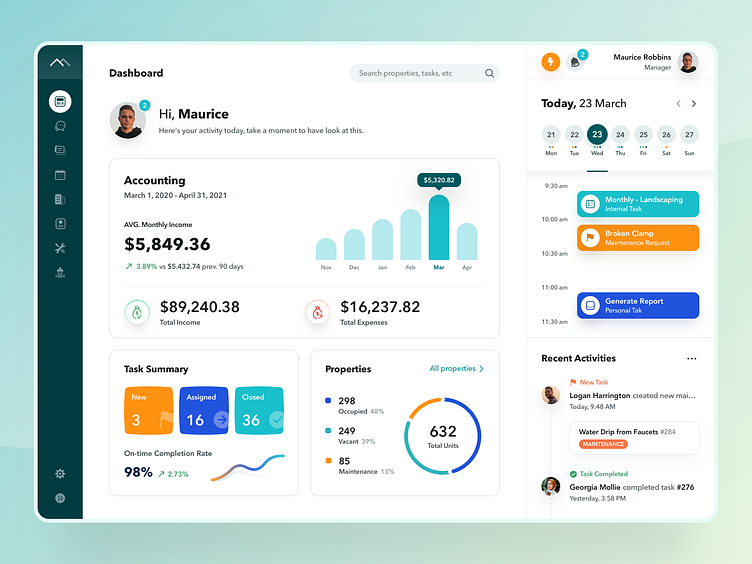

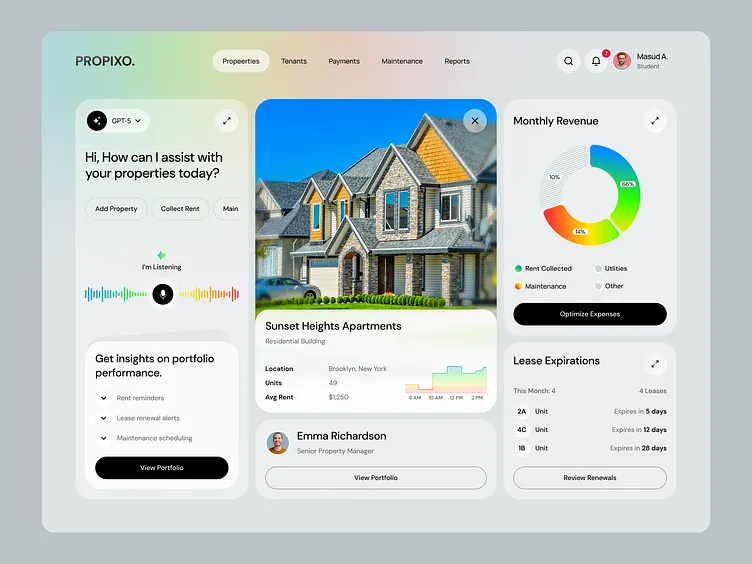
An estate management system is a powerful digital solution designed to help property owners, landlords, real estate agents, and estate managers streamline daily operations. From rent collection and tenant management to maintenance tracking and financial reporting, a modern estate management system centralizes everything in one secure platform.
In today’s competitive real estate market, adopting an advanced estate management system is no longer optional—it’s essential for efficiency, transparency, and growth.
What Is an Estate Management System?
An estate management system is software that automates and manages residential, commercial, or mixed-use properties. It replaces manual paperwork and spreadsheets with a centralized, cloud-based system that handles:
-
Tenant records and lease agreements
-
Rent collection and invoicing
-
Utility billing and service charges
-
Maintenance requests and tracking
-
Financial reporting and analytics
-
Communication between landlords and tenants
Whether you manage apartments, gated communities, office blocks, or rental units, an estate management system simplifies operations and improves accountability.
Key Features of a Modern Estate Management System
1. Tenant & Lease Management
A robust estate management system allows you to:
-
Store tenant profiles securely
-
Track lease start and end dates
-
Send automated reminders for renewals
-
Manage deposits and agreements
This ensures better organization and reduces disputes.
2. Automated Rent Collection
With integrated payment options such as mobile money, bank transfers, and online payments, estate management systems:
-
Generate automatic invoices
-
Track payment history
-
Send payment reminders
-
Reduce late payments
For property managers in Kenya, integration with M-Pesa and other local payment solutions is a major advantage.
3. Maintenance Management
Handling repairs manually can be chaotic. An estate management system helps:
-
Tenants submit maintenance requests online
-
Assign tasks to technicians
-
Track repair progress
-
Maintain maintenance history
This improves tenant satisfaction and property value.
4. Financial Reporting & Analytics
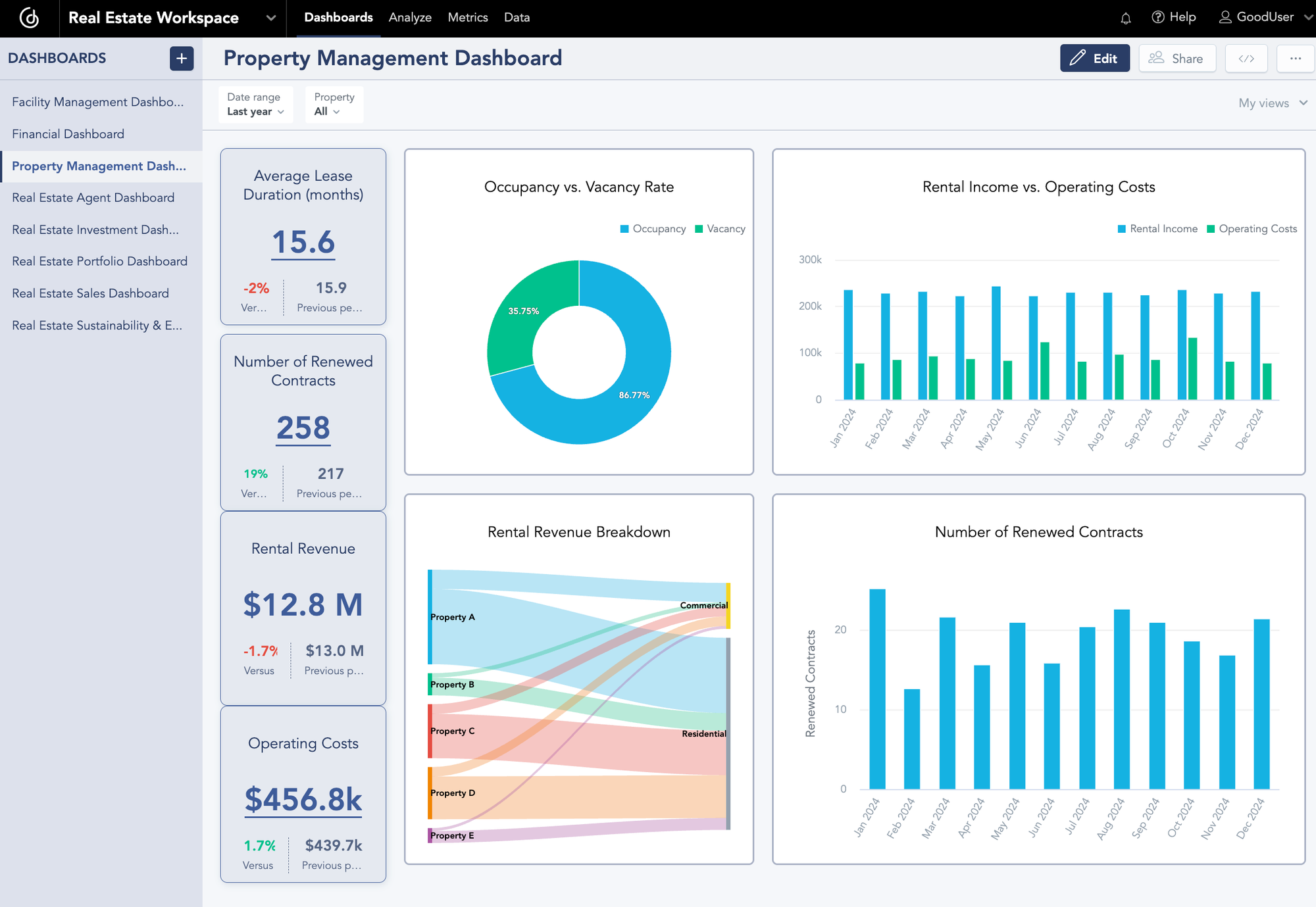
One of the biggest benefits of an estate management system is financial visibility. It provides:
-
Income and expense tracking
-
Profit and loss statements
-
Occupancy reports
-
Tax-ready financial summaries
Accurate reporting helps property owners make informed investment decisions.
5. Communication Tools
Modern estate management systems include built-in messaging features for:
-
Announcements to residents
-
Billing notifications
-
Emergency alerts
-
Community updates
This improves transparency and reduces misunderstandings.
Benefits of Using an Estate Management System
Increased Efficiency
Automation reduces manual errors and saves time spent on repetitive administrative tasks.
Improved Cash Flow
Automated reminders and easy payment methods reduce rent arrears and improve revenue consistency.
Better Tenant Experience
Tenants enjoy easy payment options, quick maintenance responses, and transparent billing.
Enhanced Security
Cloud-based estate management systems offer data encryption, secure login access, and role-based permissions.
Scalability
As your property portfolio grows, your estate management system grows with you—no need for complex upgrades.
Who Needs an Estate Management System?
An estate management system is ideal for:
-
Property owners with multiple rental units
-
Real estate agencies
-
Gated community managers
-
Commercial property managers
-
Property developers
-
Housing cooperatives
Whether you manage 10 units or 1,000, the right estate management system ensures professional operations.
Estate Management System in Kenya
The demand for estate management systems in Kenya has increased due to:
-
Rapid urbanization
-
Growth in rental properties
-
Increased need for transparency
-
Mobile money integration
-
Digital transformation across industries
Kenyan landlords and property managers are increasingly adopting cloud-based estate management systems to handle rent collection, service charge billing, and tenant communication more efficiently.
How to Choose the Best Estate Management System
When selecting an estate management system, consider:
-
Ease of Use – Is the interface user-friendly?
-
Cloud-Based Access – Can you manage properties remotely?
-
Payment Integration – Does it support mobile money and bank payments?
-
Customization – Can it adapt to your estate’s needs?
-
Customer Support – Is technical support readily available?
-
Security Features – Does it offer data protection and backups?
Choosing the right estate management system can significantly impact your operational efficiency.
Why Your Business Needs an Estate Management System Today
Manual property management leads to:
-
Lost invoices
-
Delayed rent payments
-
Poor record-keeping
-
Tenant dissatisfaction
-
Financial inaccuracies
An estate management system eliminates these challenges by centralizing operations and automating processes.
If you want to:
-
Increase profitability
-
Reduce administrative workload
-
Improve tenant satisfaction
-
Scale your real estate business
Then investing in a modern estate management system is the smart move.
Conclusion
An estate management system is the backbone of modern property management. It enhances efficiency, ensures financial transparency, and improves communication between landlords and tenants.
As the real estate sector continues to grow, adopting a reliable estate management system will give property owners and managers a competitive advantage. Whether you manage residential estates, commercial buildings, or mixed-use properties, the right system can transform your operations and maximize returns.