
Table of Contents
ToggleTenant Database Software: The Ultimate Guide for Property Managers and Landlords
Tenant database software is an essential digital tool for landlords, real estate agents, and property managers who want to efficiently store, organize, and manage tenant information. As the real estate industry becomes more technology-driven, having a centralized tenant management system helps streamline operations, improve communication, and enhance overall property management.
Whether you manage residential apartments, commercial buildings, or rental properties across multiple locations, investing in reliable tenant database software can transform your workflow and boost productivity.
What Is Tenant Database Software?
Tenant database software is a digital platform designed to store and manage all tenant-related information in one secure location. It allows landlords and property managers to maintain detailed tenant records, track rental payments, monitor lease agreements, and manage communication efficiently.
Instead of using spreadsheets or paper records, tenant database systems offer automated features that save time and reduce errors. These tools are especially useful for property managers handling multiple tenants and properties.
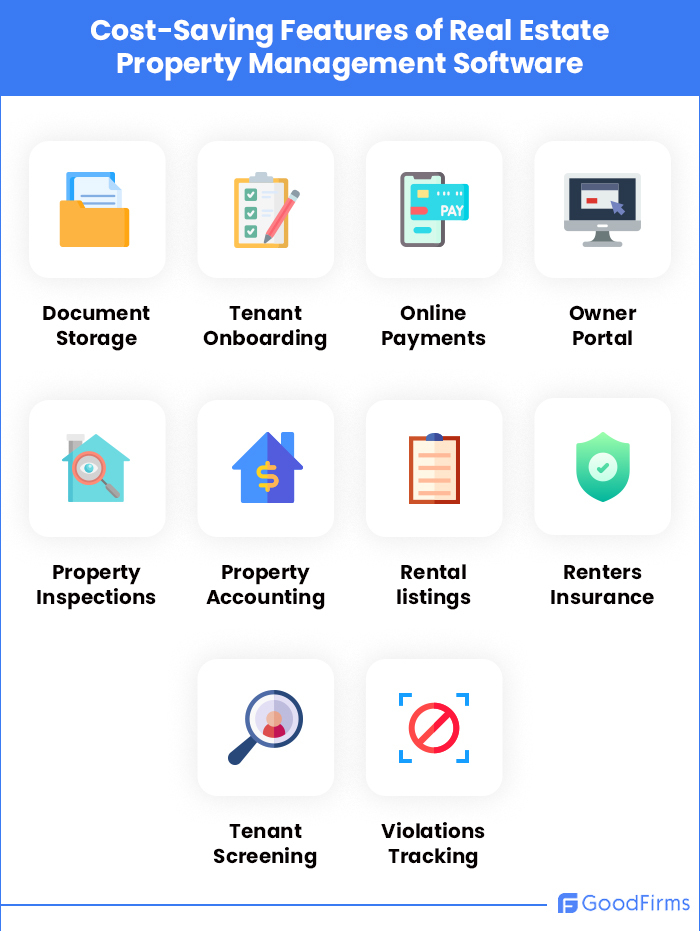
Key Features of Tenant Database Software
1. Centralized Tenant Information
One of the main benefits of tenant database software is the ability to store all tenant details in one place. This includes:
-
Tenant names and contact information
-
Lease agreements and renewal dates
-
Payment history and rent balances
-
Emergency contacts
-
Identification and documents
Having a centralized system makes it easy to access tenant data instantly and reduces the risk of losing important records.
2. Rent Tracking and Payment Management
Modern tenant database systems include rent tracking features that help landlords monitor payments and outstanding balances. These features often include:
-
Automated rent reminders
-
Payment history tracking
-
Late fee calculations
-
Online payment integration
-
Financial reporting
This ensures that landlords receive rent on time and maintain accurate financial records.
3. Lease Management
Tenant database software simplifies lease management by allowing users to:
-
Store digital lease agreements
-
Track lease start and end dates
-
Set renewal reminders
-
Manage lease terms and conditions
This reduces the chances of missed renewals and helps maintain smooth tenant relationships.
4. Document Storage and Security
Secure document storage is another key feature. Property managers can upload and store:
-
Tenant identification documents
-
Lease contracts
-
Payment receipts
-
Inspection reports
Most tenant database systems use cloud storage with encryption to ensure data safety and compliance with privacy standards.
5. Communication Tools
Effective communication is essential in property management. Many tenant database platforms include built-in messaging or notification tools that allow landlords to:
-
Send rent reminders
-
Share announcements
-
Notify tenants of maintenance schedules
-
Respond to tenant inquiries
This improves tenant satisfaction and helps maintain a professional relationship.
Benefits of Using Tenant Database Software
Improved Organization
Tenant database software eliminates the need for manual record-keeping. All tenant information is organized and easily accessible, saving time and reducing administrative stress.
Increased Efficiency
Automation features such as rent reminders, lease tracking, and payment monitoring help property managers focus on growing their business instead of handling repetitive tasks.
Enhanced Data Security
Storing tenant information digitally with secure cloud storage protects sensitive data from loss, theft, or damage. Most platforms include backup and encryption features.
Better Decision-Making
With built-in analytics and reports, landlords can monitor rental income, occupancy rates, and tenant trends. This data helps in making informed property management decisions.
Scalability
Tenant database software is ideal for both small landlords and large property management companies. As your property portfolio grows, the system can scale to accommodate more tenants and properties.
Who Needs Tenant Database Software?
Tenant database software is useful for:
-
Property managers
-
Landlords with multiple rental units
-
Real estate agencies
-
Apartment managers
-
Commercial property owners
-
Housing associations
Anyone managing tenant information can benefit from using a dedicated tenant management system.
How to Choose the Best Tenant Database Software
When selecting tenant database software, consider the following factors:
Ease of Use
Choose software with a simple and intuitive interface so that you and your team can use it without extensive training.
Cloud Access
Cloud-based tenant database systems allow you to access information from anywhere using a computer or mobile device.
Customization Options
Look for software that allows you to customize tenant fields, reports, and notifications according to your property management needs.
Integration
The best tenant database software integrates with accounting systems, payment gateways, and property management tools to create a seamless workflow.
Pricing
Consider your budget and choose a solution that offers the best value for features provided. Many platforms offer flexible subscription plans.
Tenant Database Software for Modern Property Management
As real estate management becomes more competitive, adopting digital solutions like tenant database software is no longer optional—it is essential. These systems help landlords and property managers save time, reduce errors, and improve tenant satisfaction.
From rent tracking and lease management to secure document storage and automated communication, tenant database software provides everything needed to manage tenants efficiently. Whether you are managing a single apartment building or a large property portfolio, implementing a reliable tenant database system will streamline operations and support long-term growth.
Conclusion
Tenant database software is a powerful tool for modern property management. It simplifies tenant record-keeping, enhances communication, and improves financial tracking. By choosing the right tenant management system, landlords and property managers can increase efficiency, maintain organized records, and deliver better service to tenants.
If you want to stay competitive in today’s real estate market, investing in high-quality tenant database software is a smart and future-ready decision.
Advanced Features of Modern Tenant Database Software
As property management becomes more digital, tenant database software continues to evolve with advanced features designed to improve efficiency and accuracy. These modern capabilities go beyond basic record keeping and provide intelligent tools for landlords and property managers.
Automated Tenant Screening
Many tenant database systems now include tenant screening tools that help landlords evaluate potential tenants before approving applications. These features may include:
-
Background checks
-
Credit history analysis
-
Employment verification
-
Rental history tracking
Automated screening ensures that landlords select reliable tenants, reducing the risk of late payments and property damage.
Smart Notifications and Alerts
Tenant database software can send automated alerts and reminders for important events such as:
-
Rent due dates
-
Lease expirations
-
Maintenance schedules
-
Inspection appointments
These smart notifications help property managers stay organized and ensure that tenants are always informed.
Maintenance Tracking Integration
Maintenance management is a crucial part of property management. Many tenant database platforms include maintenance tracking tools that allow:
-
Tenants to submit repair requests
-
Managers to assign tasks to technicians
-
Tracking of repair progress
-
Maintenance history storage
This improves response time and enhances tenant satisfaction.
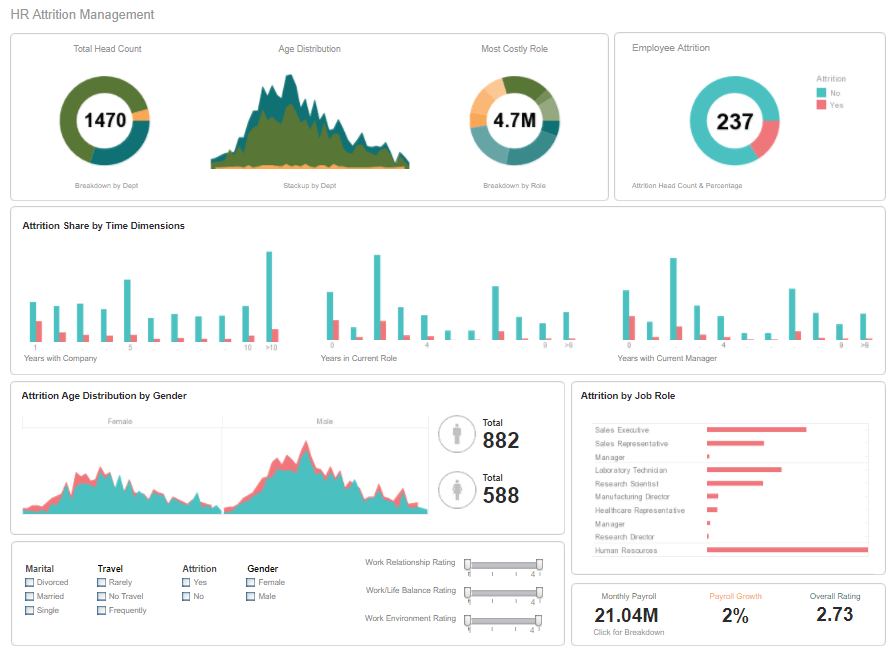
Financial Reporting and Analytics
Financial management becomes easier with built-in analytics and reporting features. Tenant database software can generate reports such as:
-
Monthly rental income
-
Outstanding balances
-
Expense tracking
-
Profit and loss statements
-
Occupancy reports
These insights help landlords make informed decisions and improve profitability.
Cloud-Based Tenant Database Software Advantages
Cloud-based tenant database software is increasingly popular due to its flexibility and accessibility. Unlike traditional desktop systems, cloud solutions allow property managers to access data from anywhere.
Remote Access
Property managers can log in from smartphones, tablets, or laptops to check tenant information, update records, or monitor payments anytime.
Automatic Backups
Cloud systems automatically back up data, ensuring that tenant records are never lost due to system failures or hardware issues.
Multi-User Access
Team members can access the system simultaneously with different permission levels, making collaboration easier for property management teams.
Real-Time Updates
Changes made to tenant records are updated instantly, ensuring everyone has access to accurate and current information.
Tenant Database Software for Small vs Large Property Owners
Small Landlords
For landlords managing a few rental units, tenant database software helps keep records organized and simplifies rent tracking. Even small-scale property owners benefit from:
-
Digital record storage
-
Automated reminders
-
Payment tracking
-
Simple reporting
Large Property Management Companies
For large property managers handling multiple buildings and hundreds of tenants, advanced tenant database systems offer:
-
Bulk tenant management
-
Multi-property dashboards
-
Advanced analytics
-
Integration with accounting systems
-
Role-based access control
These features make it easier to manage large property portfolios efficiently.
Security and Compliance in Tenant Database Software
Data security is a top priority when managing tenant information. Reliable tenant database software includes strong security measures such as:
-
Data encryption
-
Secure login authentication
-
Regular system updates
-
User access controls
-
Compliance with data protection regulations
These features ensure that sensitive tenant data remains safe and protected.
Future Trends in Tenant Database Software
The future of tenant database software is driven by technology and automation. Some emerging trends include:
Artificial Intelligence Integration
AI-powered tools can analyze tenant behavior, predict late payments, and automate communication, making property management smarter.
Mobile-Friendly Platforms
More tenant database systems are becoming mobile-friendly, allowing landlords and tenants to manage tasks through mobile apps.
Online Payment Integration
Digital payment solutions such as mobile money and online banking are increasingly integrated into tenant database systems for seamless rent collection.
Smart Property Integration
Tenant database software is beginning to integrate with smart property technologies like smart locks, security systems, and IoT devices.
Why Your Property Business Needs Tenant Database Software
Managing tenant information manually can lead to errors, missed payments, and disorganized records. Tenant database software solves these challenges by providing a centralized and automated system.
With the right tenant database solution, property managers can:
-
Save time on administrative tasks
-
Improve tenant communication
-
Track payments accurately
-
Enhance data security
-
Scale property operations easily
In a competitive real estate market, using advanced tenant database software gives landlords and property managers a significant advantage.
Final Thoughts
Investing in reliable tenant database software is one of the best decisions for modern property management. It simplifies tenant record management, improves financial tracking, and enhances communication between landlords and tenants.