Apartment Management System: The Complete Guide for Modern Property Managers
An apartment management system is an essential digital tool designed to help landlords, property managers, and real estate companies efficiently manage residential properties. From rent collection and tenant communication to maintenance tracking and financial reporting, apartment management software streamlines daily operations and improves overall property performance.
In today’s competitive real estate market, manual processes are quickly becoming outdated. Property managers are turning to modern apartment management systems to automate tasks, reduce errors, and enhance tenant satisfaction.
What Is an Apartment Management System?
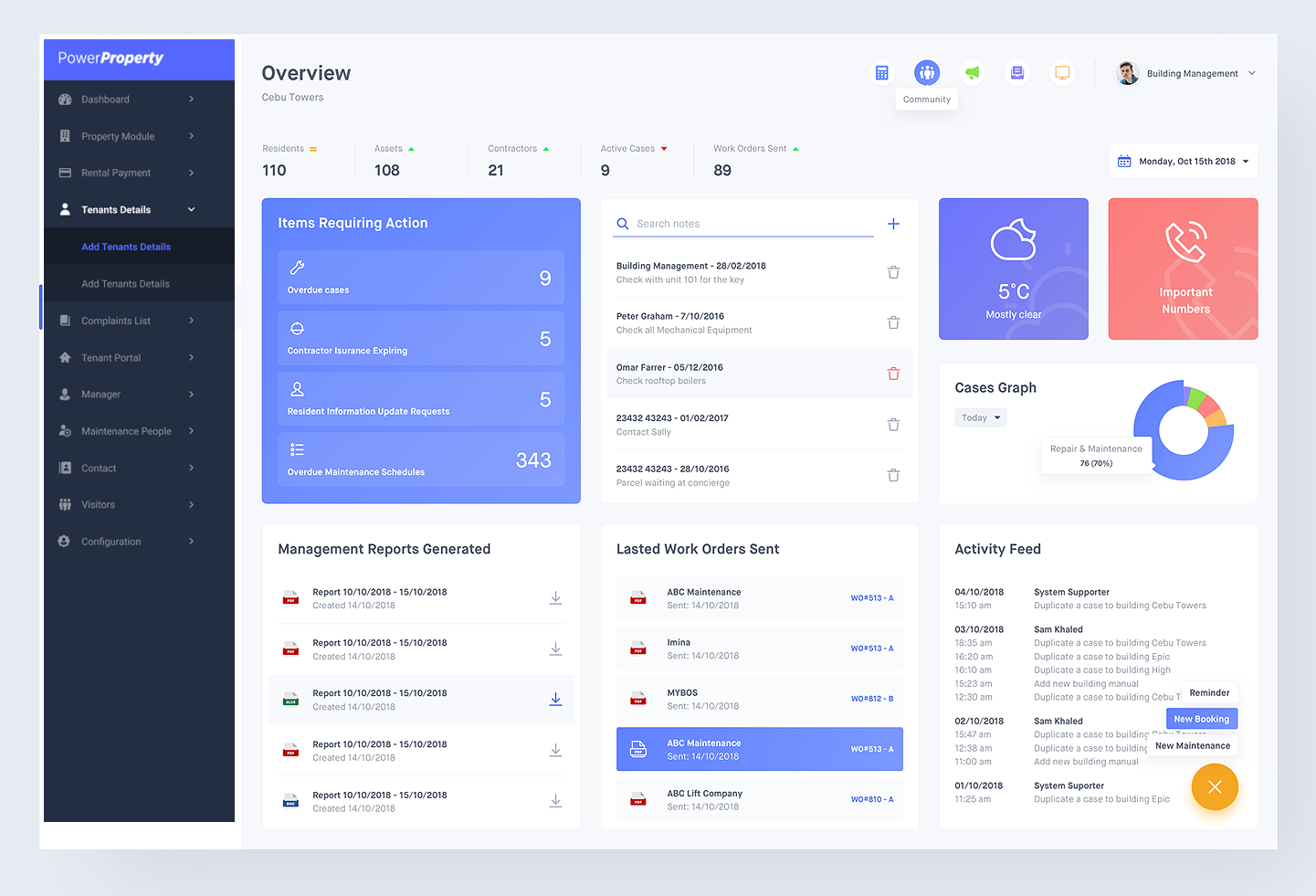
An apartment management system is a software platform that helps property owners and managers oversee all aspects of apartment operations. It typically includes features for tenant management, rent collection, lease tracking, maintenance requests, and financial reporting.
Whether managing a small apartment building or a large residential complex, this system centralizes all property-related data in one place, making management easier and more efficient.
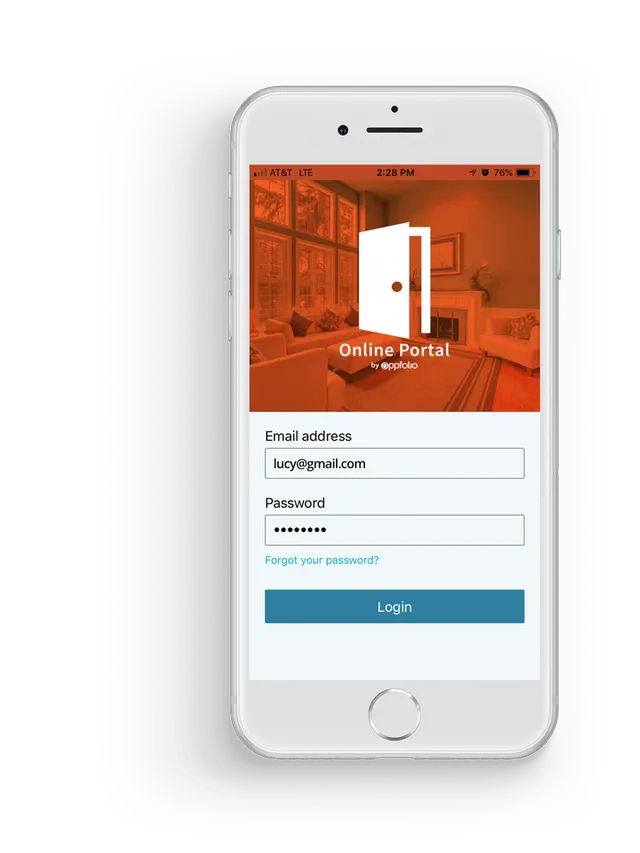
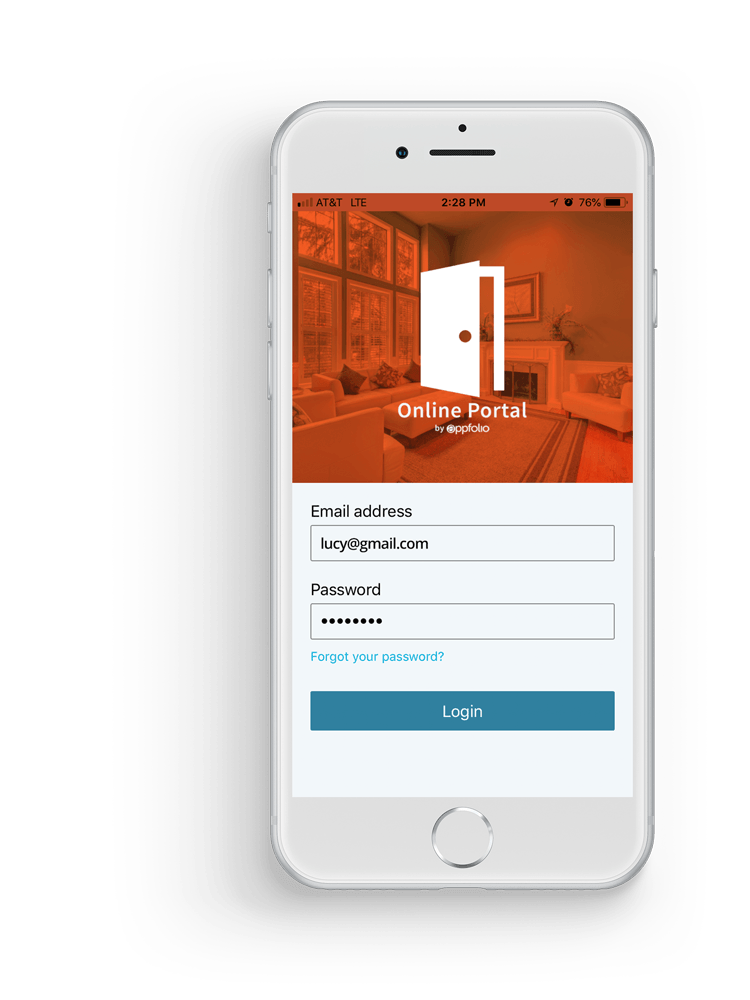
Popular global platforms like AppFolio and Buildium demonstrate how digital tools are transforming property management by offering cloud-based solutions that can be accessed from anywhere.
Key Features of an Apartment Management System
1. Tenant Management
An apartment management system allows landlords to store and manage tenant information securely. Property managers can track lease agreements, payment history, contact details, and communication records from a single dashboard.
Benefits include:
-
Easy tenant onboarding
-
Digital lease storage
-
Tenant screening and verification
-
Quick access to tenant history
2. Rent Collection and Payment Tracking
One of the most important features is automated rent collection. Tenants can pay rent online using mobile money, bank transfers, or cards. Property managers can track payments in real time and generate receipts automatically.
Key advantages:
-
Automated rent reminders
-
Reduced late payments
-
Digital payment records
-
Financial transparency
For regions like Kenya and Africa, integration with mobile payment platforms such as M-Pesa makes apartment management systems even more valuable.
3. Maintenance and Repair Management
Handling maintenance requests manually can be stressful and time-consuming. An apartment management system allows tenants to submit maintenance requests online while managers track repairs and assign tasks to technicians.
Maintenance features include:
-
Online repair requests
-
Task assignment
-
Maintenance scheduling
-
Service history tracking
This improves response time and increases tenant satisfaction.
4. Financial Reporting and Accounting
Property managers must keep accurate financial records. Apartment management software provides automated accounting tools that generate reports on income, expenses, and profitability.
Financial tools often include:
-
Expense tracking
-
Profit and loss reports
-
Rent collection reports
-
Budget planning tools
These insights help property owners make better financial decisions and manage investments effectively.
5. Lease and Document Management
Lease agreements and legal documents can be stored digitally within the system. Automated alerts notify managers when leases are about to expire or require renewal.
Benefits:
-
Paperless document storage
-
Easy lease renewal tracking
-
Secure access to legal documents
-
Reduced administrative work
6. Tenant Communication Portal
A tenant portal allows residents to communicate directly with property managers. Tenants can submit requests, receive announcements, and make payments through the portal.
Communication tools help:
-
Improve tenant engagement
-
Send notices and updates
-
Handle complaints quickly
-
Build strong landlord-tenant relationships
Benefits of Using an Apartment Management System
Increased Efficiency
Automation reduces manual work such as paperwork, rent tracking, and maintenance coordination. Property managers can focus on strategic tasks rather than routine administration.
Better Organization
All property data is stored in one centralized system. This eliminates scattered records and improves data accuracy.
Improved Tenant Satisfaction
Faster communication, quick maintenance responses, and easy payment options lead to happier tenants and higher retention rates.
Enhanced Financial Control
Real-time financial reporting allows landlords to monitor property performance, track revenue, and control expenses effectively.
Scalability
As property portfolios grow, apartment management systems can scale with the business. Managers can handle multiple buildings and units without increasing workload.
Who Needs an Apartment Management System?
An apartment management system is useful for:
-
Landlords managing rental apartments
-
Property management companies
-
Real estate investors
-
Housing associations
-
Student housing managers
-
Short-term rental operators
Even small property owners with a few units can benefit from automation and digital tracking.
How to Choose the Best Apartment Management System
When selecting an apartment management system, consider the following factors:
1. Ease of Use
Choose software with a simple and user-friendly interface. Property managers should be able to navigate the system without extensive training.
2. Cloud-Based Access
Cloud-based systems allow access from anywhere using a phone, tablet, or computer. This is ideal for property managers who handle multiple locations.
3. Payment Integration
Ensure the system supports online and mobile payments. This simplifies rent collection and reduces cash handling.
4. Customization
Every property is different. Look for software that can be customized to fit your property size, structure, and management style.
5. Security
Property data and tenant information must be secure. Choose systems with strong data protection and backup features.
6. Customer Support
Reliable customer support ensures quick assistance when technical issues arise.
Apartment Management System for Modern Real Estate
Digital transformation is reshaping real estate management. An apartment management system provides property managers with powerful tools to automate operations, increase efficiency, and improve tenant experiences.
As urban populations grow and rental demand rises, adopting modern property management technology is no longer optional—it is essential. From automated rent collection to maintenance tracking and financial reporting, an apartment management system simplifies property management and boosts profitability.
Conclusion
An apartment management system is a must-have solution for landlords and property managers looking to streamline operations and grow their rental business. By automating key tasks such as rent collection, tenant management, and maintenance tracking, property owners can save time, reduce errors, and improve tenant satisfaction.