Table of Contents
ToggleRemote Property Management: The Complete Guide for Landlords and Property Managers

Introduction: What Is Remote Property Management?
Remote property management is the modern way landlords and real estate investors manage rental properties without being physically present. Through cloud-based software, automation tools, and digital communication platforms, property owners can handle rent collection, maintenance requests, tenant communication, and financial tracking from anywhere in the world.
With the rise of digital real estate tools and remote work, managing rental properties remotely has become not only possible but highly efficient. Whether you own a single rental apartment or multiple buildings across cities or countries, remote property management helps streamline operations, reduce costs, and improve tenant satisfaction.
This comprehensive guide explores everything you need to know about remote property management, including benefits, tools, strategies, and best practices for landlords and property managers.
Why Remote Property Management Is Growing Fast
Remote property management is transforming the real estate industry due to several factors:
-
Increased internet access and mobile technology
-
Growth of cloud-based property software
-
Rise of digital payment systems
-
Expansion of real estate investments across locations
-
Demand for flexible and automated property solutions
Investors are no longer limited to buying properties near where they live. With the right systems, you can manage rentals in different cities or even countries without traveling.
Key Benefits of Remote Property Management
1. Manage Properties From Anywhere
Remote property management allows landlords to control their rental business from any location. Whether traveling, living abroad, or working remotely, you can:
-
Monitor rent payments
-
Communicate with tenants
-
Track maintenance requests
-
Access financial reports
This flexibility is especially useful for investors with multiple properties or those living far from their rental units.
2. Automated Rent Collection and Payments


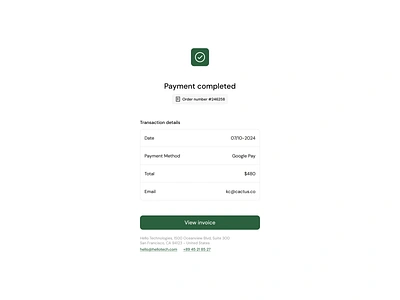
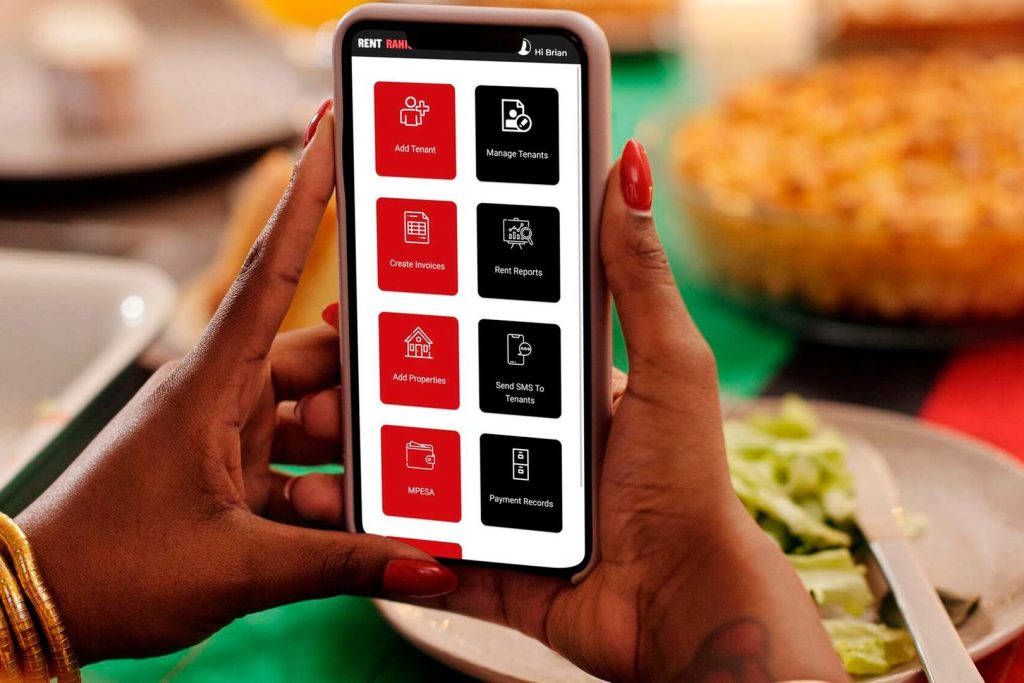
One of the biggest advantages of remote property management is automated rent collection. Tenants can pay rent online through:
-
Mobile money
-
Bank transfers
-
Debit/credit cards
-
Online payment portals
Automation ensures timely payments, reduces late rent, and eliminates the need for physical collection. Property managers also receive instant notifications and digital records.
3. Improved Tenant Communication
Remote property management platforms offer integrated messaging systems that make communication easier. Landlords can:
-
Send announcements
-
Share rent reminders
-
Respond to maintenance requests
-
Provide digital documents
Clear communication improves tenant satisfaction and retention.
4. Efficient Maintenance Management
Maintenance can be handled remotely through digital work orders and service coordination. Tenants submit repair requests online, including photos and descriptions. Landlords can then:
-
Assign tasks to contractors
-
Track progress
-
Approve costs
-
Maintain service records
This ensures faster resolution and organized property upkeep.
Essential Tools for Remote Property Management
To successfully manage properties remotely, landlords need the right tools and technology.
Property Management Software
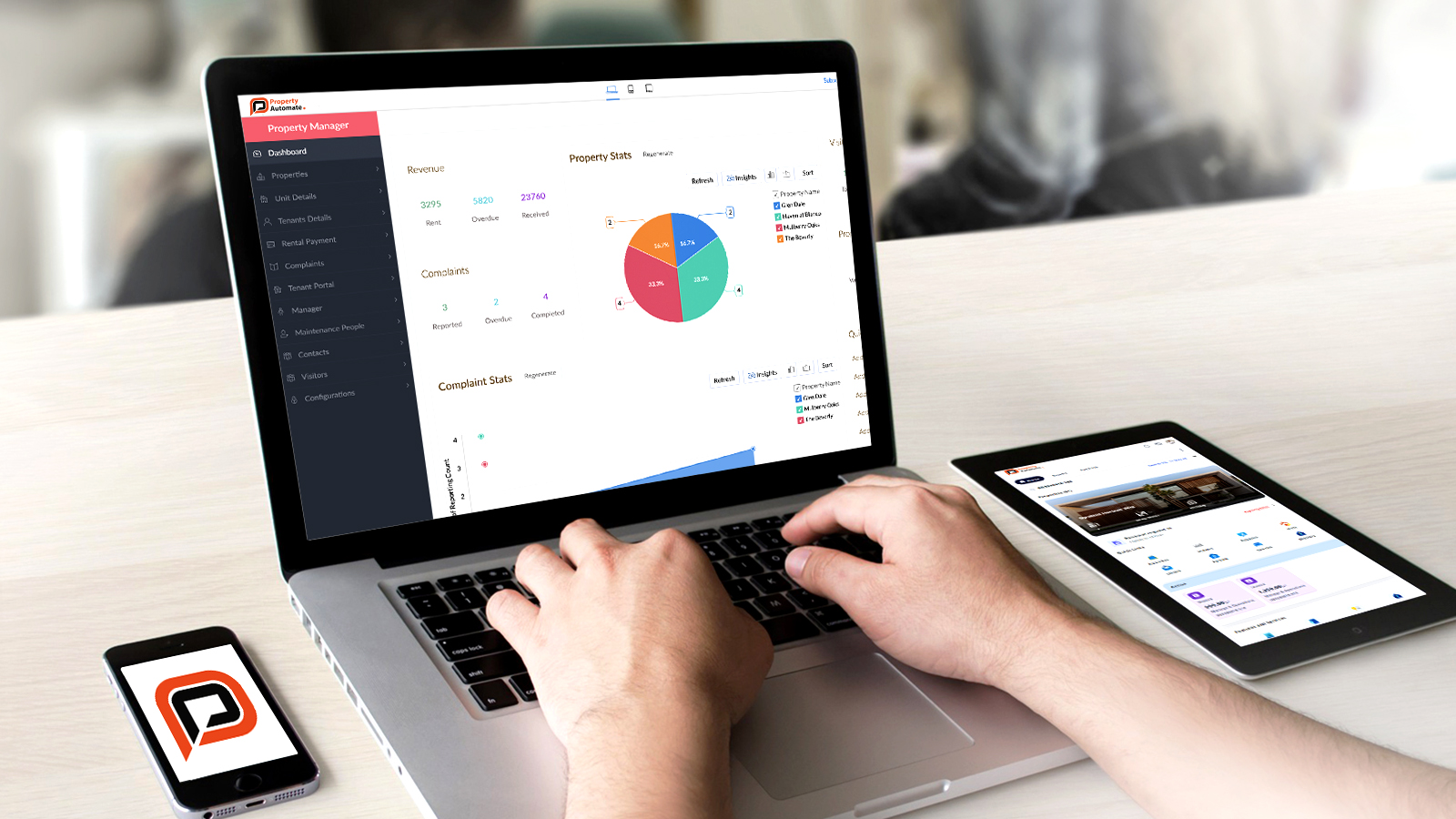
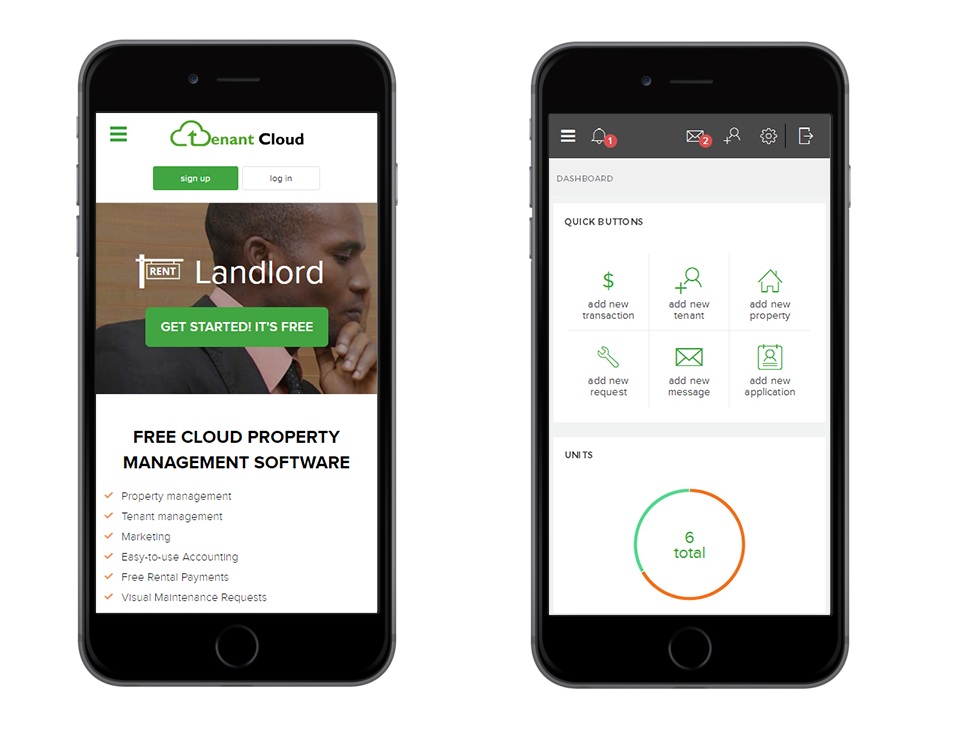
Modern cloud-based software centralizes all property operations in one dashboard. Popular solutions include platforms like AppFolio and Buildium, which offer:
-
Tenant portals
-
Rent collection
-
Accounting tools
-
Maintenance tracking
-
Reporting and analytics
These tools enable full remote control of rental operations.
Smart Home and Security Technology


Smart devices make remote monitoring easier and more secure. Examples include:
-
Smart locks for keyless entry
-
Security cameras
-
Smart thermostats
-
Leak detectors
These technologies allow landlords to monitor property conditions and improve security without being physically present.
Virtual Tours and Digital Leasing
Virtual tours and online listings help landlords rent properties remotely. Platforms such as Zillow and Airbnb allow:
-
Digital property listings
-
Virtual tours
-
Online booking
-
Tenant screening
This reduces vacancy time and expands your reach to more potential tenants.
How to Successfully Manage Properties Remotely
1. Use a Centralized Management System
Choose a reliable property management system that integrates all features:
-
Rent collection
-
Tenant communication
-
Maintenance tracking
-
Financial reporting
Centralization ensures nothing is missed and simplifies oversight.
2. Build a Reliable Local Team
Even with remote systems, you need local support such as:
-
Maintenance technicians
-
Plumbers and electricians
-
Cleaning services
-
Security personnel
Having trusted service providers ensures quick response to property issues.
3. Screen Tenants Carefully
Tenant screening is crucial when managing remotely. Conduct:
-
Background checks
-
Credit checks
-
Employment verification
-
Rental history reviews
Quality tenants reduce risks and management challenges.
4. Automate Financial Tracking
Use accounting features to track:
-
Rental income
-
Expenses
-
Repairs
-
Profit reports
Automation helps landlords monitor performance and make informed investment decisions.
Remote Property Management for Multi-Property Owners
Investors with multiple units benefit the most from remote property management. With centralized dashboards, they can:
-
Monitor occupancy rates
-
Track revenue across properties
-
Manage multiple tenants
-
Generate reports instantly
This scalability makes it easier to grow a property portfolio without increasing workload.
Challenges of Remote Property Management (and Solutions)
Communication Delays
Solution: Use instant messaging and notification systems within management software.
Maintenance Coordination
Solution: Maintain a network of local contractors and service providers.
Tenant Trust Issues
Solution: Provide transparent communication and fast digital support.
Technology Learning Curve
Solution: Choose user-friendly platforms and provide tenant onboarding.
Remote Property Management in Emerging Markets
In regions with growing internet and mobile adoption, remote property management is becoming more popular. Mobile payment systems and cloud platforms make it easier for landlords to manage properties efficiently without being on-site.
This is especially useful for:
-
Diaspora property owners
-
Real estate investors abroad
-
Multi-city property portfolios
-
Short-term rental hosts
Future Trends in Remote Property Management
The future of remote property management will be driven by technology such as:
-
Artificial intelligence for tenant screening
-
Predictive maintenance systems
-
Smart building automation
-
Blockchain-based leasing
-
Advanced analytics dashboards
These innovations will make remote property operations even more efficient and profitable.
Conclusion: Why Remote Property Management Is the Future
Remote property management is revolutionizing the real estate industry. It provides flexibility, efficiency, and scalability for landlords and property managers. With the right tools, automation, and strategies, managing rental properties from anywhere is not only possible but highly profitable.
Whether you own a single rental unit or a large portfolio, adopting remote property management systems helps reduce workload, improve tenant satisfaction, and maximize returns.
Investing in the right technology and processes today will ensure long-term success in modern property management.