Landlord Software: The Ultimate Guide to Streamlining Property Management
Managing rental properties can be time-consuming and stressful, especially when juggling multiple tenants, leases, and payments. Landlord software is designed to simplify these tasks, giving property owners the tools they need to run their business efficiently. Whether you own a single property or manage a portfolio, the right software can save you hours every week and help prevent costly mistakes.
What is Landlord Software?
Landlord software is a digital solution that helps property owners manage their rental properties. This software typically includes features like tenant management, rent collection, maintenance tracking, and financial reporting. By centralizing all property management tasks in one platform, landlords can improve efficiency and reduce errors.
Key Features of Landlord Software
-
Tenant Management
Keep track of tenant information, lease agreements, and rental history. Many platforms allow digital lease signing and automatic reminders for lease renewals. -
Rent Collection and Payments
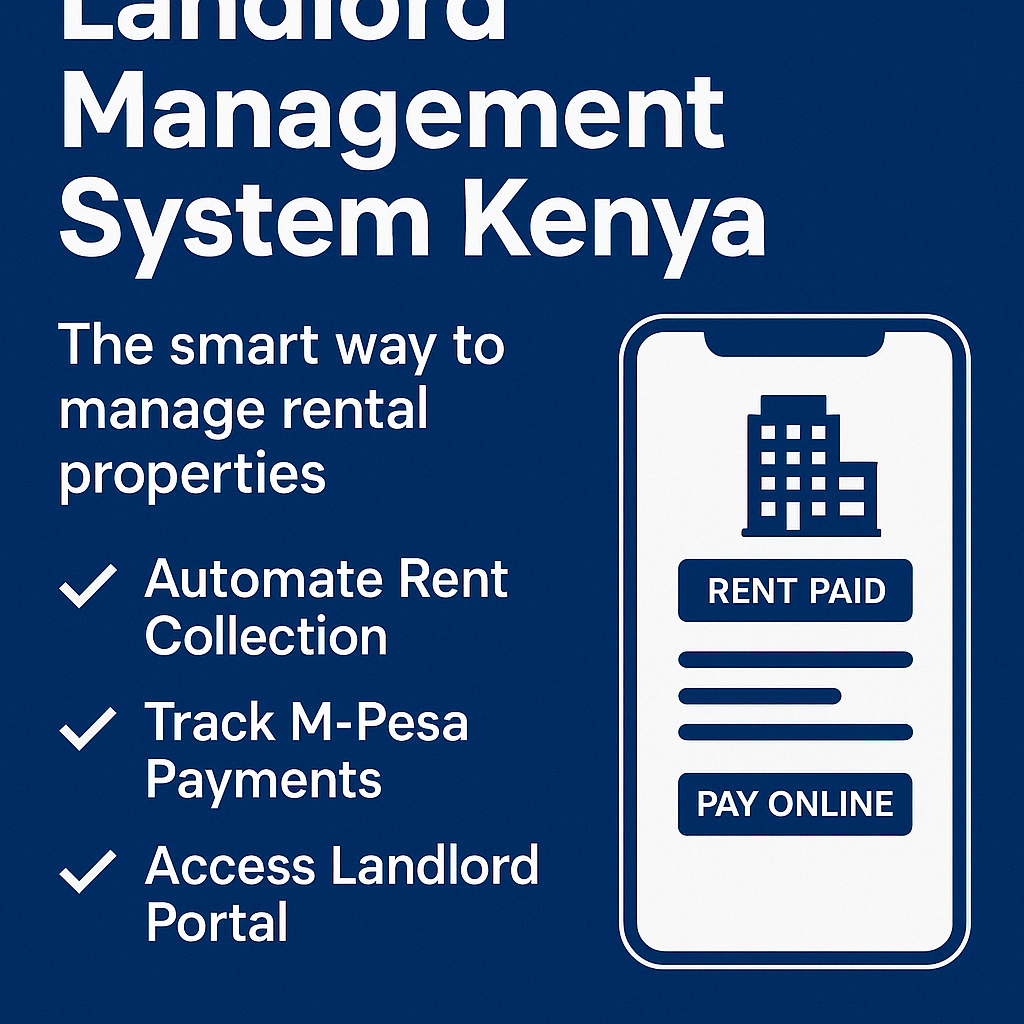
Automate rent collection through online payments, recurring billing, and late fee tracking. Some software integrates with payment systems like Mpesa, PayPal, or bank transfers. -
Maintenance Requests
Tenants can submit maintenance requests directly through the software, allowing landlords to track progress and manage service providers efficiently. -
Financial Reporting
Generate reports on income, expenses, taxes, and overall property performance. This helps landlords make informed financial decisions and simplifies accounting. -
Tenant Screening
Many landlord software solutions offer background checks, credit reports, and rental history verification to ensure reliable tenants. -
Communication Tools
Centralized messaging features allow landlords to communicate with tenants, contractors, and property managers easily.
Benefits of Using Landlord Software
-
Time-saving: Automate repetitive tasks like rent reminders and late notices.
-
Reduced errors: Digital records prevent mistakes in rent collection and reporting.
-
Better tenant relationships: Streamlined communication and maintenance tracking improve tenant satisfaction.
-
Financial insight: Real-time reporting helps landlords make smarter investment decisions.
-
Legal compliance: Some software provides templates and reminders to stay compliant with local rental laws.
Choosing the Right Landlord Software
When selecting landlord software, consider the following factors:
-
Ease of Use: Look for an intuitive interface that doesn’t require technical expertise.
-
Feature Set: Ensure it includes the tools you need, such as online payments, tenant screening, and reporting.
-
Integration: Check if it integrates with accounting software or payment systems you already use.
-
Customer Support: Reliable support is essential, especially if you encounter technical issues.
-
Cost: Compare pricing plans to find software that fits your budget while offering value.
Top Landlord Software Options
Some popular landlord software solutions include:
-
Buildium: Comprehensive property management for landlords and property managers.
-
TenantCloud: Cloud-based software with tenant screening and online payments.
-
AppFolio: Suitable for both residential and commercial property management.
-
RentalDesk: A Kenya-specific landlord software with Mpesa integration, invoicing, and tenant tracking.
How Landlord Software Improves Rental Business Efficiency
-
Automated Workflows: Reduces manual work by automating rent collection, lease renewals, and tenant communications.
-
Centralized Data: All property information is stored in one place, making it easy to access and analyze.
-
Proactive Maintenance: Quickly track and resolve maintenance issues to prevent property damage.
-
Enhanced Security: Sensitive tenant information is securely stored, protecting both landlords and tenants.
Conclusion
Investing in landlord software is no longer optional for modern property owners—it’s essential. With the right tools, landlords can save time, reduce errors, and improve tenant satisfaction. Whether you’re managing a single property or a large portfolio, the benefits of digital property management are clear.
Start using landlord software today to simplify your property management, streamline operations, and maximize your rental income.
Landlord Software: The Complete Guide for Modern Property Owners (2026)
Managing rental property today is more than collecting rent. Landlords must handle tenant communication, lease tracking, maintenance requests, accounting, and legal compliance — all while keeping occupancy high.
That’s why landlord software has become one of the most essential tools for property owners in 2026.
Whether you manage one apartment or dozens of units, the right landlord software can help you run your rental business like a professional.
Why Landlord Software is Essential in 2026
Traditional property management methods like spreadsheets, paper files, and manual rent collection are no longer efficient.
Landlord software provides an all-in-one platform to:
-
Automate rent collection
-
Track tenants and leases
-
Monitor property expenses
-
Handle maintenance requests
-
Generate financial reports
-
Improve tenant satisfaction
With rental markets becoming more competitive, landlords need digital solutions to stay organized and profitable.
What Problems Does Landlord Software Solve?
Let’s explore the biggest challenges landlords face — and how landlord software fixes them.
1. Late Rent Payments
Chasing tenants for rent is stressful and time-consuming.
Landlord software allows:
-
Automated rent reminders
-
Online payment options
-
Late fee tracking
-
Instant payment confirmations
Tenants pay faster when the process is simple.
2. Disorganized Tenant Records
Without a central system, landlords often lose track of:
-
Lease dates
-
Tenant contacts
-
Payment history
-
Deposits
Landlord software stores everything securely in one dashboard.
3. Maintenance Issues and Delays
Maintenance problems can quickly damage your property and tenant relationships.
With landlord software, tenants can:
-
Submit repair requests online
-
Upload photos of issues
-
Track request progress
Landlords can assign contractors and monitor completion.
4. Manual Accounting and Expense Tracking
Tracking income and expenses manually leads to errors, especially during tax season.
Landlord software offers:
-
Automated income reports
-
Expense categorization
-
Profit and loss statements
-
Tax-ready financial summaries
5. Poor Tenant Communication
Miscommunication leads to tenant dissatisfaction and turnover.
Landlord software includes messaging tools that keep communication organized and documented.
Key Features to Look for in the Best Landlord Software
Not all landlord software is the same. Here are the most important features to consider:
1. Online Rent Collection
The best landlord software should allow tenants to pay rent digitally using:
-
Bank transfers
-
Debit/credit cards
-
Mobile money systems (like Mpesa in Kenya)
-
Automated recurring payments
Online rent collection improves cash flow and reduces missed payments.
2. Lease Management and Digital Agreements
Lease tracking is one of the biggest benefits of landlord software.
Look for tools that support:
-
Digital lease signing
-
Lease expiration reminders
-
Renewal notifications
-
Document storage
This prevents legal disputes and missed renewals.
3. Tenant Screening Tools
Finding the right tenant is critical.
Many landlord software platforms offer screening features such as:
-
Credit checks
-
Background verification
-
Rental history reports
-
Employment confirmation
This helps landlords reduce risk and avoid unreliable tenants.
4. Maintenance Request System
A strong maintenance module includes:
-
Tenant repair request portal
-
Contractor assignment
-
Status updates
-
Maintenance cost tracking
Efficient repairs increase tenant retention and property value.
5. Financial Reporting and Analytics
The best landlord software provides real-time reporting like:
-
Rent collection summaries
-
Expense tracking
-
Property performance reports
-
Monthly income statements
These insights help landlords grow smarter and faster.
6. Multi-Property and Portfolio Management
If you manage multiple units, landlord software should allow:
-
Unit-by-unit tracking
-
Tenant grouping
-
Central dashboards
-
Bulk messaging and invoicing
Perfect for landlords with growing portfolios.
Types of Landlord Software
Different landlords need different solutions.
Small Landlords (1–5 Units)
Best for landlords who want:
-
Simple rent collection
-
Lease reminders
-
Basic tenant tracking
Affordable and easy-to-use platforms work best.
Mid-Size Property Owners (5–50 Units)
Ideal software includes:
-
Maintenance tracking
-
Automated invoicing
-
Financial reporting
Professional Property Managers (50+ Units)
Advanced landlord software should offer:
-
Team collaboration
-
Tenant portals
-
Full accounting integration
-
Custom reporting
Cloud-Based vs Desktop Landlord Software
Cloud-Based Landlord Software (Recommended)
Pros:
-
Accessible anywhere
-
Automatic updates
-
Secure backups
-
Mobile-friendly
Most modern landlord software is cloud-based.
Desktop Property Management Software
Pros:
-
Works offline
-
One-time purchase options
Cons:
-
Limited accessibility
-
Manual backups
-
Less scalable
Cloud-based solutions are generally better for landlords today.
Best Landlord Software Platforms in 2026
Here are some of the top landlord software solutions used globally:
Buildium
A powerful platform for landlords and property managers, offering:
-
Rent collection
-
Tenant portals
-
Accounting tools
TenantCloud
Popular for small landlords with features like:
-
Tenant screening
-
Lease templates
-
Online payments
AppFolio
Best for larger portfolios, offering:
-
Full-service property management
-
Advanced reporting
-
Automation tools
RentalDesk (Best for Kenya and Africa)
RentalDesk is a landlord software built for local property markets, with:
-
Mpesa rent payments
-
Tenant invoicing
-
Lease tracking
-
Expense reporting
-
Mobile-friendly dashboards
Perfect for landlords managing rentals in Kenya.
How Landlord Software Helps You Increase Rental Income
Landlord software doesn’t just save time — it boosts profits.
Here’s how:
Faster Rent Collection
Automated payments reduce late rent and improve cash flow.
Lower Vacancy Rates
Better communication and maintenance increase tenant retention.
Smarter Financial Decisions
Reports help landlords identify profitable properties and reduce expenses.
Reduced Legal Risk
Lease tracking and documentation improve compliance.
Who Should Use Landlord Software?
Landlord software is ideal for:
-
Individual landlords
-
Real estate investors
-
Property managers
-
Rental agencies
-
Housing associations
-
Commercial property owners
If you manage rental property, landlord software will simplify your work.
Final Thoughts: Is Landlord Software Worth It?
Yes — landlord software is one of the best investments a property owner can make.
It helps you:
-
Automate rent collection
-
Stay organized
-
Improve tenant satisfaction
-
Reduce stress
-
Scale your rental business
With modern landlord software, property management becomes easier, faster, and more profitable.
Frequently Asked Questions (FAQ)
What is the best landlord software for beginners?
TenantCloud and RentalDesk are great beginner-friendly options with simple dashboards.
Can landlord software collect rent automatically?
Yes. Most platforms support recurring online rent payments.
Is landlord software useful for one rental unit?
Absolutely. Even one property benefits from automation and lease tracking.
Does landlord software work in Kenya?
Yes. Platforms like RentalDesk support Mpesa payments and local landlord needs.