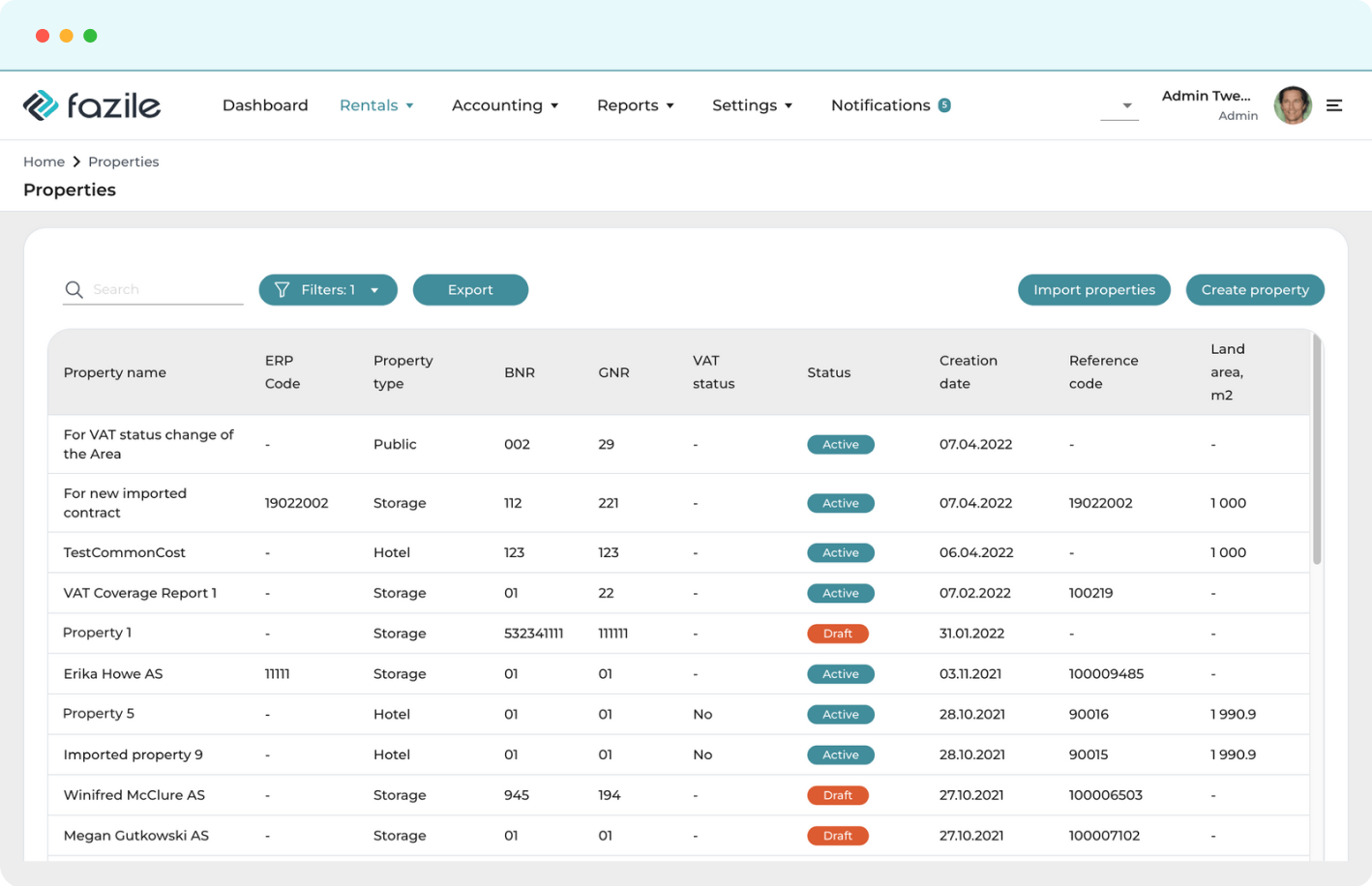
Tenant Management System Kenya — The Complete Guide for Landlords, Agents & Property Managers
In Kenya’s rapidly growing real estate market, landlords and property managers are turning to digital solutions to simplify operations and enhance tenant relations. A Tenant Management System (TMS) Kenya‑specific platform is one of the most effective tools available — helping property owners manage leases, collect rents, track maintenance requests, and streamline communication.
This comprehensive guide explains everything you need to know about a tenant management system Kenya — including benefits, features, implementation tips, pricing models, and real‑world examples.
What Is a Tenant Management System?
A tenant management system (TMS) is a software platform designed to help landlords and property managers handle daily rental property operations. It centralizes tenant data, automates routine tasks, and delivers real‑time insights into property performance.
In Kenya, where the property market spans urban centers like Nairobi, Mombasa, Kisumu, and Thika, a dedicated tenant management system can transform how rental properties are managed.
Core Functions of a Tenant Management System Kenya
A modern TMS typically includes:
-
Tenant record keeping
-
Lease and contract management
-
Online rent collection
-
Maintenance request tracking
-
Automated reminders
-
Document storage
-
Reporting and dashboards
-
Tenant communication tools
Each of these functions plays a key role in efficient property management, reducing manual errors, and freeing up time for strategic decision‑making.
Why Kenya Needs Tenant Management Systems
Kenya’s rental market is booming. Rapid urbanization, an increase in middle‑income earners, and minimal affordable housing supply have contributed to growing demand for rental units. However, managing multiple tenants and properties manually is time‑consuming and prone to inefficiencies.
Top Drivers for Tenant Management Systems in Kenya
-
Growing Urban Rental Market
Cities like Nairobi and Mombasa have high rental volumes, requiring digital tools to handle large tenant databases. -
Mobile Penetration & Digital Adoption
With widespread smartphone use and mobile money platforms like M‑Pesa, landlords can easily integrate digital solutions, including rent payments. -
Demand for Transparency
Tenants increasingly expect online access to statements, complaint logs, and timely communication. -
Scale & Complexity of Portfolios
Property investors managing multiple buildings or units gain more from automated systems.
Top Benefits of Using a Tenant Management System in Kenya
Implementing a tenant management system Kenya has measurable advantages for both landlords and tenants.
1. Efficient Rent Collection
Late or missing rent payments are common challenges. An online tenant management system lets tenants pay securely via:
-
Mobile money (M‑Pesa)
-
Bank transfers
-
Debit/credit cards
Automated payment reminders reduce late payments and improve cash flow.
2. Easy Tenant Onboarding
Registering a new tenant takes minutes with digital forms, identity verification, and electronic signing of lease agreements.
3. Maintenance & Repairs Tracking
Centralized logs allow tenants to submit maintenance requests. Landlords can:
-
Assign tasks to contractors
-
Track repair status
-
Generate maintenance reports
4. Digital Documentation
All tenant documents — contracts, guarantor information, past notices — are stored in one secure location.
5. Improved Tenant Satisfaction
Tenants enjoy:
-
Faster responses to queries
-
Transparent charges and records
-
Access to their rental history online
This boosts retention and reduces turnover.
6. Real‑Time Reporting
Dashboards and analytics give property owners insights such as:
-
Occupancy rates
-
Rent payment history
-
Lease expiry notifications
-
Maintenance cost breakdowns
These reports aid strategic planning.
Key Features to Look for in a Tenant Management System Kenya
When selecting a tenant management system, Kenyan landlords should prioritize features that align with local needs:
🔹 Mobile Money Integration
Integration with M‑Pesa and other mobile payment platforms is critical in Kenya due to its widespread usage.
🔹 Customizable Lease Templates
Local lease laws and tenant expectations vary — customizable contract templates are essential.
🔹 Automated Notifications
Email and SMS alerts for:
-
Rent due dates
-
Lease renewals
-
Late payment reminders
🔹 Tenant Portal
An online login where tenants can:
-
Access statements
-
Submit support tickets
-
Pay rent online
🔹 Maintenance Module
A ticketing system that tracks repair progress with attachments, contractor assignments, and status updates.
🔹 Reporting Tools
Dashboards that provide insights into property performance and financial summaries.
🔹 Secure Document Storage
Encryption and secure servers protect sensitive tenant and financial data.
How a Tenant Management System Kenya Improves Cash Flow
Cash flow is a major concern for landlords. A tenant management system boosts revenue by:
-
Reducing delayed payments with automated reminders
-
Offering flexible payment options
-
Providing detailed rent aging reports
-
Reducing reliance on manual bookkeeping
With digital records, landlords can also produce accurate financial statements for taxes or investor reporting.
Tenant Management System vs. Property Management Software
These terms are often used interchangeably, but they are not exactly the same.
| Feature | Tenant Management System | Property Management Software |
|---|---|---|
| Focus | Tenant records & rent cycles | Broader property portfolio management |
| Maintenance Tracking | Yes | Yes |
| Lease Templates | Yes | Yes |
| Accounting & Bookkeeping | Basic | Advanced, often linked to accounting |
| Vendor & Supplier Management | Limited | Advanced |
For most Kenyan landlords with small‑to‑medium portfolios, a tenant management system provides all the necessary tools without the complexity of larger property management suites.
Tenant Management System Kenya: Pricing & Cost Considerations
Pricing models vary depending on features, number of units, and vendor:
1. Subscription (SaaS)
Monthly or annual fee per property unit or per user.
2. One‑Time License
A single payment for perpetual use (less common in Kenya).
3. Usage‑Based
Fees based on transactions (e.g., percentage of each rent payment).
4. Custom Enterprise Plans
For larger property portfolios requiring bespoke features.
Tips for choosing the right pricing plan:
✔ Evaluate whether mobile money integration is included
✔ Prioritize systems with transparent pricing
✔ Check if onboarding and support are part of the package
Common Challenges in Implementing Tenant Management Systems in Kenya
While benefits are significant, there are common challenges landlords should be aware of:
🔹 Resistance to Change
Some tenants or property managers prefer traditional manual systems.
🔹 Connectivity Issues
Not all regions in Kenya have stable internet, which can affect online access.
🔹 Cost Concerns
Upfront subscription fees may seem high for smaller landlords.
🔹 Data Security
Landlords must ensure the platform uses strong encryption and trusted servers.
How to Choose the Best Tenant Management System in Kenya
To select the most effective tenant management system, follow this checklist:
✅ Define Your Needs
Determine whether you require rent collection, maintenance tracking, or full lease automation.
✅ Check Local Integrations
Make sure the system supports M‑Pesa, Airtel Money, and local banking options.
✅ Read User Reviews
Look for feedback from other Kenyan landlords and agents.
✅ Assess Support Services
Check if vendor support includes training, onboarding, and ongoing assistance.
✅ Evaluate Security Standards
Confirm encryption, backups, and data privacy compliance.
✅ Request Demos
Test platforms with free trials to evaluate ease of use.
Popular Use Cases for Tenant Management Systems in Kenya
🎯 Individual Landlords
Owners with 1–10 units can consolidate rent tracking and lease renewals.
🏢 Property Management Firms
Agencies managing multiple properties can reduce administrative workloads.
🏙️ Real Estate Investors
Tracking income streams, portfolio performance, and lease expirations becomes easier with reporting dashboards.
📍 Serviced Apartment Operators
Automate check‑in/check‑out, housekeeping requests, and billing.
Real‑World Benefits: What Kenyan Landlords Are Saying
Many landlords in Kenya report the following improvements after adopting a tenant management system:
✔ Faster rent collection
✔ Less paperwork
✔ Better tenant communication
✔ Increased occupancy rates
✔ Reduced late payments
✔ More accurate financial records
These improvements directly contribute to higher profitability and lower operational stress.
Future of Tenant Management Systems in Kenya
The demand for tenant software is expected to grow as:
📌 Digital adoption increases
📌 Mobile payments become even more entrenched
📌 Competition drives landlords to modern solutions
📌 AI and automation enter the property sector
By investing in a tenant management system now, property owners in Kenya can gain a competitive edge in tenant satisfaction and portfolio performance.
Conclusion
A tenant management system Kenya is no longer a luxury — it’s a practical necessity for effective property management. Whether you are an individual landlord, growing property investor, or real estate agency, adopting the right system can:
✨ Improve rental collections
✨ Enhance tenant relationships
✨ Streamline maintenance and communication
✨ Provide financial insight
✨ Reduce administrative burden
By choosing a platform that integrates local payment options like M‑Pesa and meets Kenya’s unique property landscape, landlords can future‑proof their operations while delivering better service to tenants.