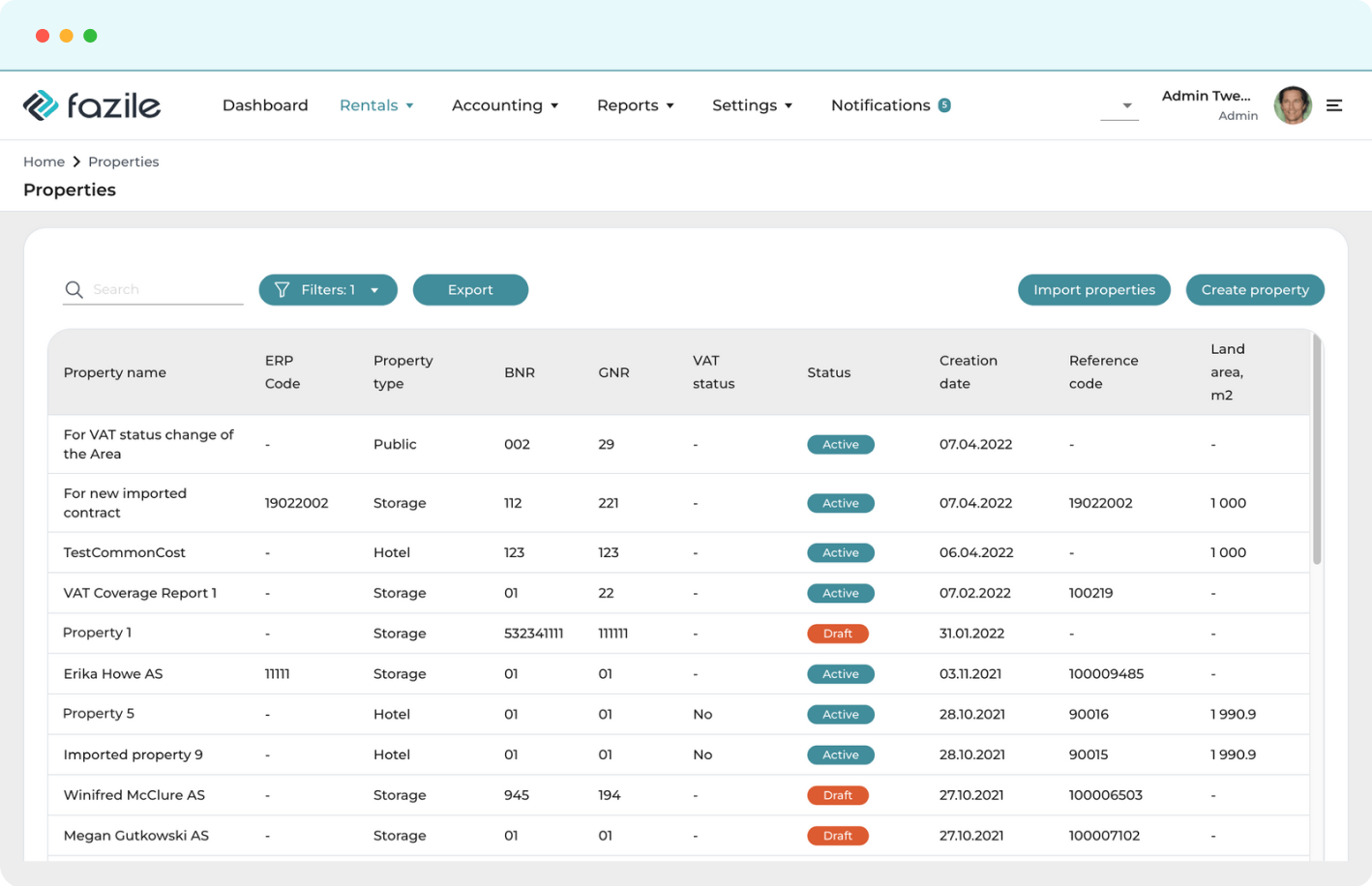
Tenant Management: A Complete Guide for Property Owners and Managers
Tenant management is one of the most critical aspects of successful property ownership. Whether you manage residential apartments, commercial buildings, or rental houses, effective tenant management ensures smooth operations, steady income, and satisfied tenants.
In today’s competitive real estate environment, property owners must adopt modern tenant management strategies to maintain occupancy, reduce disputes, and maximize profits. This comprehensive guide explains everything you need to know about tenant management, including best practices, tools, benefits, and proven strategies.
What is Tenant Management?
Tenant management refers to the process of handling all tenant-related activities within a rental property. This includes tenant screening, lease agreements, rent collection, maintenance requests, communication, and conflict resolution.
Effective tenant management ensures that tenants are satisfied while landlords maintain control over their property investments.
Core Elements of Tenant Management
Successful tenant management includes:
- Tenant screening
- Lease management
- Rent collection
- Maintenance coordination
- Tenant communication
- Conflict resolution
- Record keeping
- Lease renewals and terminations
Each of these components plays a vital role in maintaining healthy landlord-tenant relationships.
Why Tenant Management is Important
Tenant management directly impacts rental income, property value, and tenant satisfaction.
Here are the main reasons why tenant management is essential:
1. Improves Tenant Retention
Satisfied tenants are more likely to renew their leases. Good tenant management creates positive experiences that reduce turnover and vacancy rates.
2. Ensures Timely Rent Collection
Structured rent collection systems help landlords receive payments on time and reduce late payments.
3. Protects Property Value
Regular maintenance and tenant oversight help maintain the condition of the property.
4. Reduces Legal Risks
Proper documentation and compliance with rental laws protect landlords from disputes and lawsuits.
5. Enhances Reputation
Professional tenant management improves a landlord’s reputation and attracts high-quality tenants.
Key Responsibilities in Tenant Management
Tenant management involves multiple responsibilities that must be handled efficiently.
Tenant Screening
Tenant screening is the first step in tenant management. It involves evaluating applicants to ensure they are financially stable and responsible.
Screening usually includes:
- Identity verification
- Credit checks
- Employment verification
- Income confirmation
- Reference checks
- Rental history review
Choosing reliable tenants reduces late payments and property damage risks.
Lease Agreement Management
Lease agreements define the rules between landlords and tenants.
Important elements of lease agreements include:
- Rent amount
- Payment deadlines
- Security deposit terms
- Maintenance responsibilities
- Lease duration
- Termination conditions
A clear lease agreement prevents misunderstandings and disputes.
Rent Collection Management
Rent collection is one of the most important tenant management tasks.
Modern tenant management systems allow:
- Online rent payments
- Automated reminders
- Payment tracking
- Late fee enforcement
These systems simplify the payment process and improve cash flow.
Maintenance Request Handling
Maintenance is a critical part of tenant satisfaction.
Effective maintenance management includes:
- Logging maintenance requests
- Assigning technicians
- Scheduling repairs
- Tracking completion
- Preventive maintenance planning
Prompt maintenance increases tenant satisfaction and protects property value.
Tenant Communication
Clear communication is essential in tenant management.
Effective communication methods include:
- Email notifications
- SMS alerts
- Tenant portals
- Customer service lines
Strong communication reduces misunderstandings and improves relationships.
Tenant Management Best Practices
Implementing proven tenant management practices improves efficiency and tenant satisfaction.
1. Use Tenant Management Software
Technology plays a major role in modern tenant management.
Tenant management software helps automate:
- Rent collection
- Maintenance tracking
- Lease management
- Reporting
- Communication
Automation reduces workload and minimizes errors.
2. Establish Clear Policies
Clear policies create consistency across tenant interactions.
Examples include:
- Late payment penalties
- Maintenance timelines
- Noise policies
- Pet policies
- Guest rules
Documented policies prevent conflicts.
3. Maintain Accurate Records
Record keeping is essential in tenant management.
Important records include:
- Lease agreements
- Payment history
- Maintenance logs
- Communication records
- Inspection reports
Digital records improve accessibility and compliance.
4. Conduct Regular Inspections
Routine property inspections help detect issues early.
Recommended inspections:
- Move-in inspection
- Move-out inspection
- Quarterly inspections
- Annual safety inspections
Inspections reduce property damage risks.
5. Provide Excellent Customer Service
Tenant satisfaction improves retention rates.
Customer service tips:
- Respond quickly to requests
- Maintain professionalism
- Resolve disputes fairly
- Offer convenient payment options
Happy tenants stay longer.
Benefits of Effective Tenant Management
Strong tenant management offers multiple advantages.
Increased Rental Income
Reliable tenants pay rent on time, reducing financial stress.
Lower Vacancy Rates
Satisfied tenants renew leases more often.
Reduced Maintenance Costs
Preventive maintenance avoids expensive repairs.
Improved Property Reputation
Well-managed properties attract better tenants.
Legal Compliance
Proper tenant management ensures adherence to rental laws.
Challenges in Tenant Management
Tenant management comes with several challenges.
Understanding these challenges helps landlords prepare solutions.
Late Rent Payments
Late payments disrupt cash flow.
Solutions:
- Automated reminders
- Late fees
- Flexible payment plans
Tenant Complaints
Complaints may include:
- Noise issues
- Maintenance delays
- Neighbor disputes
Solution:
Establish a structured complaint resolution process.
Property Damage
Some tenants may damage property intentionally or unintentionally.
Solution:
- Conduct inspections
- Use security deposits
- Enforce lease rules
Lease Violations
Examples:
- Unauthorized pets
- Subletting
- Excess occupants
Solution:
Issue written notices and enforce lease agreements.
Tenant Management Software: A Modern Solution
Tenant management software simplifies property operations.
These tools automate repetitive tasks and improve efficiency.
Features of Tenant Management Software
Common features include:
- Tenant databases
- Lease tracking
- Online payments
- Maintenance scheduling
- Financial reporting
- Communication tools
These features make property management more efficient.
Advantages of Using Tenant Management Software
Technology improves accuracy and speed.
Benefits include:
- Time savings
- Reduced paperwork
- Improved tenant experience
- Better financial control
- Increased transparency
Tenant Management for Residential Properties
Residential tenant management focuses on tenant comfort and satisfaction.
Common residential management tasks:
- Rent collection
- Maintenance services
- Lease renewals
- Tenant communication
- Community management
Residential properties require regular interaction with tenants.
Tenant Management for Commercial Properties
Commercial tenant management differs from residential management.
Commercial tenants typically sign long-term leases and require specialized services.
Commercial management tasks include:
- Lease negotiation
- Utility management
- Parking coordination
- Facility maintenance
- Security services
Commercial tenant relationships are often business-focused.
Legal Considerations in Tenant Management
Legal compliance is essential in tenant management.
Landlords must follow property laws and regulations.
Important Legal Requirements
These include:
- Lease documentation
- Security deposit rules
- Eviction procedures
- Tenant rights protection
- Fair housing laws
Failure to comply with legal requirements can result in penalties.
Handling Evictions Properly
Evictions should follow legal procedures.
Typical eviction steps:
- Issue warning notice
- Provide payment deadline
- File legal eviction notice
- Conduct eviction hearing
Proper procedures protect landlords from lawsuits.
Tenant Retention Strategies
Tenant retention is a major goal of tenant management.
Keeping tenants reduces turnover costs.
Provide Quality Maintenance
Fast repairs improve tenant satisfaction.
Maintenance quality directly affects tenant retention.
Offer Lease Renewal Incentives
Examples:
- Rent discounts
- Free maintenance upgrades
- Flexible lease terms
Incentives encourage lease renewals.
Build Strong Relationships
Personalized communication builds trust.
Relationship-building strategies:
- Welcome packages
- Tenant appreciation events
- Feedback surveys
Strong relationships improve loyalty.
Tenant Management Tips for New Landlords
New landlords often struggle with tenant management.
These tips simplify the process.
Start with Clear Documentation
Written agreements prevent misunderstandings.
Always use legally approved lease templates.
Use Digital Tools
Technology simplifies tenant tracking and communication.
Even small landlords benefit from digital tools.
Learn Local Rental Laws
Understanding rental laws protects property owners.
Stay updated on legal changes.
Create Emergency Plans
Emergency planning ensures quick response to issues.
Examples:
- Plumbing failures
- Power outages
- Security threats
Preparedness improves tenant safety.
Future Trends in Tenant Management
Tenant management continues to evolve with technology.
Understanding trends helps landlords stay competitive.
Smart Property Technology
Smart systems improve efficiency.
Examples:
- Smart locks
- Digital access control
- Remote monitoring systems
These technologies enhance security.
Online Tenant Portals
Tenant portals allow:
- Rent payments
- Maintenance requests
- Lease access
- Communication
Portals improve convenience.
Data-Driven Management
Analytics help property owners make better decisions.
Data insights include:
- Occupancy rates
- Payment patterns
- Maintenance trends
Data improves performance.
How to Choose the Right Tenant Management System
Selecting the right system improves productivity.
Consider the following factors:
Ease of Use
Choose user-friendly software.
Complex systems reduce efficiency.
Features Required
Select software with:
- Payment processing
- Maintenance tracking
- Lease management
- Reporting tools
Avoid unnecessary features.
Cost and Scalability
Choose software that fits your budget and growth plans.
Scalable systems support business expansion.
Customer Support
Reliable support ensures smooth operations.
Look for responsive customer service teams.
Conclusion: Mastering Tenant Management for Long-Term Success
Tenant management is the foundation of successful property ownership. From tenant screening to rent collection and maintenance coordination, every aspect plays a crucial role in maintaining profitable rental operations.
By adopting modern tools, following best practices, and prioritizing tenant satisfaction, landlords can create a stable rental environment that benefits both property owners and tenants.
Whether you manage a single rental property or a large portfolio, investing in effective tenant management strategies ensures long-term growth, improved tenant relationships, and consistent income.