
Table of Contents
ToggleSmart Property Dashboard: The Future of Efficient Property Management
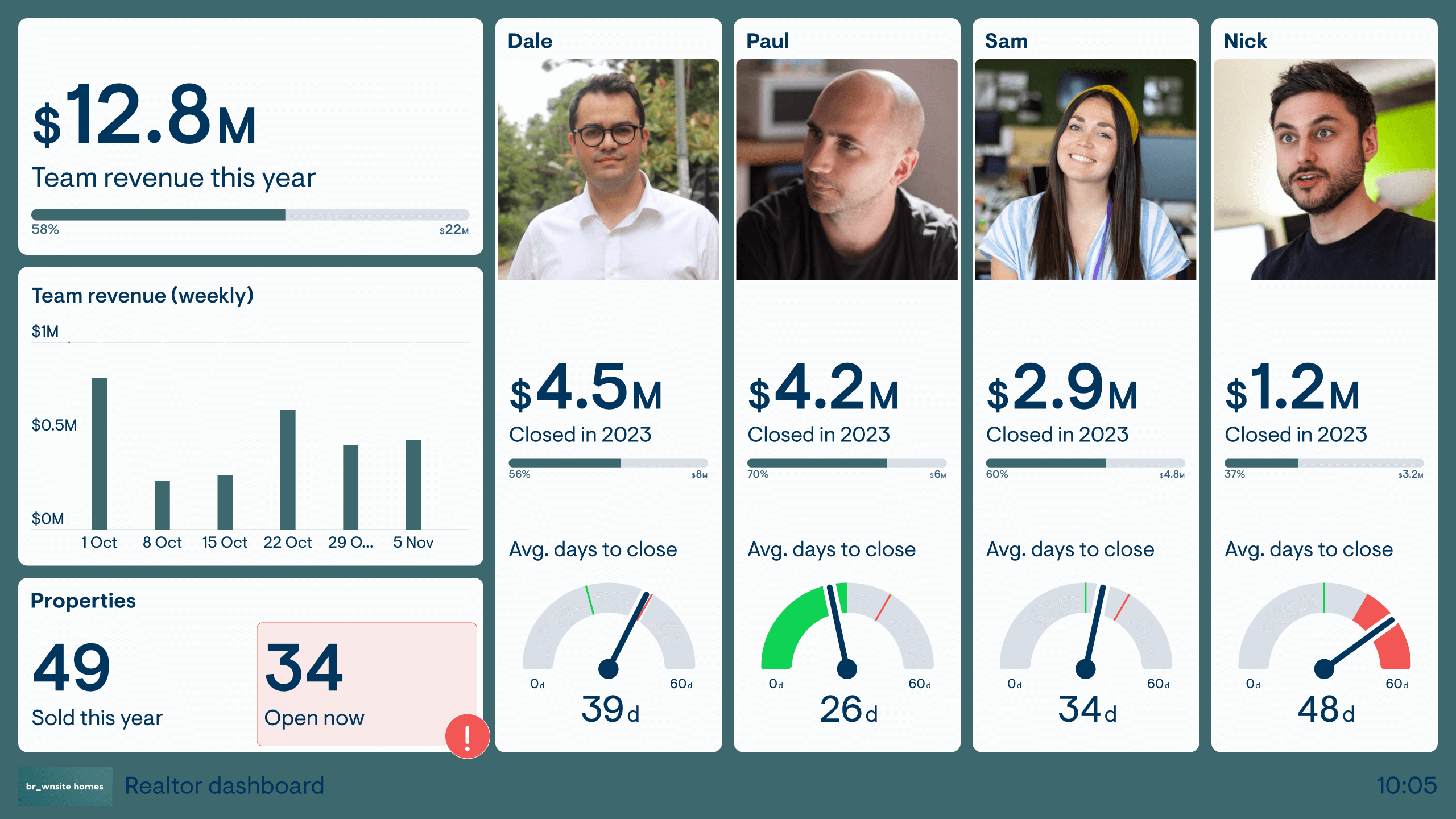
A smart property dashboard is transforming the way landlords, property managers, and real estate investors manage their properties. With the rise of digital real estate solutions, modern dashboards provide centralized control, real-time analytics, tenant management tools, and financial insights — all in one place.
Whether you manage a single rental unit or a portfolio of commercial buildings, a smart property dashboard helps streamline operations, improve decision-making, and increase profitability. In this comprehensive guide, we explore everything you need to know about smart property dashboards, their features, benefits, and how they are revolutionizing property management.
What Is a Smart Property Dashboard?
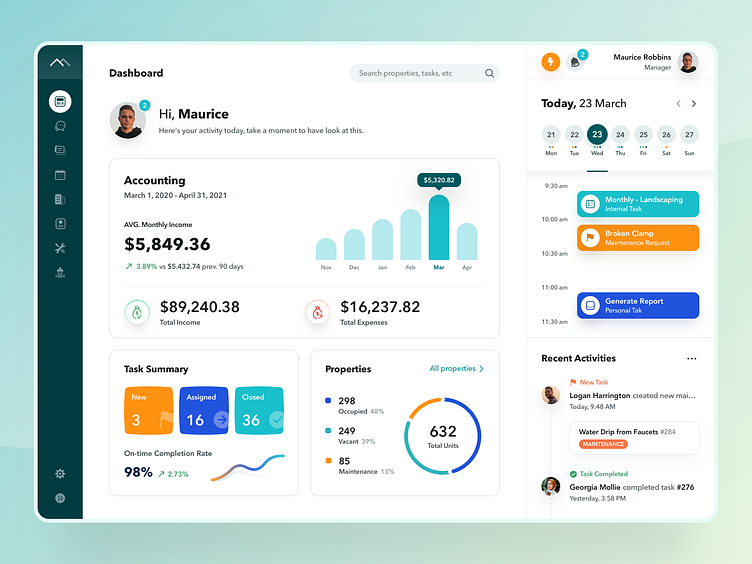
A smart property dashboard is a digital platform that allows property owners and managers to monitor, manage, and optimize their real estate assets through a single interface. It integrates various property management functions such as rent collection, tenant communication, maintenance tracking, analytics, and financial reporting.
Instead of juggling spreadsheets, paperwork, and multiple systems, a smart property dashboard provides a centralized hub where all property-related data is accessible in real time.
Key Functions of a Smart Property Dashboard
-
Property and tenant management
-
Rent collection and payment tracking
-
Maintenance request management
-
Financial reporting and analytics
-
Lease management
-
Communication tools
-
Performance monitoring
By using a smart property dashboard, landlords and real estate companies can simplify complex workflows and improve operational efficiency.
Why Property Owners Need a Smart Property Dashboard
The real estate sector is becoming increasingly digital. Property managers who rely on manual processes risk inefficiency, missed payments, and poor tenant experiences.
1. Centralized Property Management
A smart property dashboard brings all property data into one place. From tenant information to financial reports, everything is accessible through a single platform, saving time and reducing errors.
2. Real-Time Insights and Analytics
With advanced analytics, property owners can track:
-
Occupancy rates
-
Rental income
-
Expenses
-
Maintenance costs
-
Tenant payment trends
These insights help in making informed investment and management decisions.
3. Automated Rent Collection
Many dashboards integrate with online payment systems, allowing tenants to pay rent digitally. This reduces late payments and improves cash flow consistency.
4. Improved Tenant Communication
A smart property dashboard often includes messaging systems or tenant portals where residents can submit requests, pay rent, and communicate with landlords easily.
5. Enhanced Security and Data Protection
Digital dashboards provide secure storage of documents, lease agreements, and financial records, minimizing risks associated with physical paperwork.
Key Features of a Smart Property Dashboard
1. Property Portfolio Overview
A smart property dashboard gives a snapshot of all properties in one place. Users can view occupancy status, rent collection performance, and maintenance issues across multiple properties.
2. Tenant Management Tools
Tenant management is simplified with features such as:
-
Tenant profiles
-
Lease tracking
-
Payment history
-
Communication logs
This helps property managers maintain strong relationships with tenants.
3. Financial Tracking and Reporting
Financial management becomes easier with automated reports and tracking tools. Dashboards can generate:
-
Income statements
-
Expense reports
-
Profit and loss summaries
-
Tax-ready documents
These reports help property owners stay organized and financially informed.
4. Maintenance and Repair Tracking
Maintenance management tools allow tenants to submit requests online. Property managers can assign tasks, monitor progress, and track costs directly from the dashboard.
5. Smart Notifications and Alerts
Automated alerts notify property managers about:
-
Late rent payments
-
Lease expirations
-
Maintenance issues
-
Financial updates
These reminders ensure nothing important is overlooked.
6. Mobile Accessibility
Many smart property dashboards are mobile-friendly, enabling landlords and managers to monitor properties and respond to tenants from anywhere.
Benefits of Using a Smart Property Dashboard
Increased Efficiency
Automation reduces manual work such as tracking payments, sending reminders, and updating records. Property managers can focus on strategic tasks instead of repetitive administrative work.
Better Financial Management
With real-time financial tracking, property owners can monitor income and expenses accurately. This helps improve budgeting and investment planning.
Improved Tenant Satisfaction
Quick responses to maintenance requests and easy payment options enhance tenant experiences, leading to higher retention rates.
Data-Driven Decision Making
Analytics and performance metrics help property managers identify trends, optimize pricing, and maximize returns.
Scalability
A smart property dashboard allows landlords to scale their portfolios without significantly increasing workload.
How Smart Property Dashboards Help Real Estate Investors
Real estate investors benefit significantly from using smart dashboards. They provide detailed insights into property performance and profitability.
Portfolio Performance Monitoring
Investors can track ROI, rental yields, and expense ratios for each property. This helps identify high-performing assets and underperforming investments.
Simplified Multi-Property Management
Managing multiple properties becomes easier with centralized controls and automated workflows.
Strategic Planning
With accurate data and predictive analytics, investors can plan expansions, renovations, or sales more effectively.
Choosing the Best Smart Property Dashboard
When selecting a smart property dashboard, consider the following factors:
Ease of Use
The platform should have an intuitive interface that is easy to navigate for both property managers and tenants.
Customization Options
Look for dashboards that allow customization based on property type and management needs.
Integration Capabilities
A good smart property dashboard should integrate with:
-
Payment systems
-
Accounting software
-
Smart home devices
-
CRM tools
Security Features
Ensure the platform has strong security measures such as encryption and secure login protocols.
Customer Support
Reliable customer support is essential for resolving technical issues quickly.
Smart Property Dashboard for Modern Cities
In rapidly growing urban areas, digital property management is becoming essential. Property managers in major cities are adopting smart dashboards to handle increasing tenant demands and complex portfolios.
With urbanization and smart building technologies on the rise, smart property dashboards will play a key role in shaping the future of real estate management.
Future Trends in Smart Property Dashboards
Integration With Smart Home Technology
Future dashboards will integrate with smart devices such as:
-
Smart locks
-
Security cameras
-
Energy management systems
This will allow property managers to monitor buildings remotely.
AI and Predictive Analytics
Artificial intelligence will enable dashboards to predict maintenance issues, tenant behavior, and market trends.
Cloud-Based Management
Cloud technology ensures data accessibility from anywhere and enhances collaboration between property teams.
Automation and IoT
Automation combined with IoT will streamline property operations and reduce operational costs.
Conclusion
A smart property dashboard is no longer a luxury but a necessity for modern property management. It simplifies operations, enhances tenant satisfaction, improves financial tracking, and provides valuable insights for better decision-making.
From small landlords to large real estate companies, adopting a smart property dashboard can significantly improve efficiency and profitability. As technology continues to evolve, smart dashboards will become even more powerful, offering advanced automation, analytics, and integration capabilities.