Table of Contents
ToggleProperty Management Platform: The Ultimate Solution for Modern Real Estate Management

Introduction
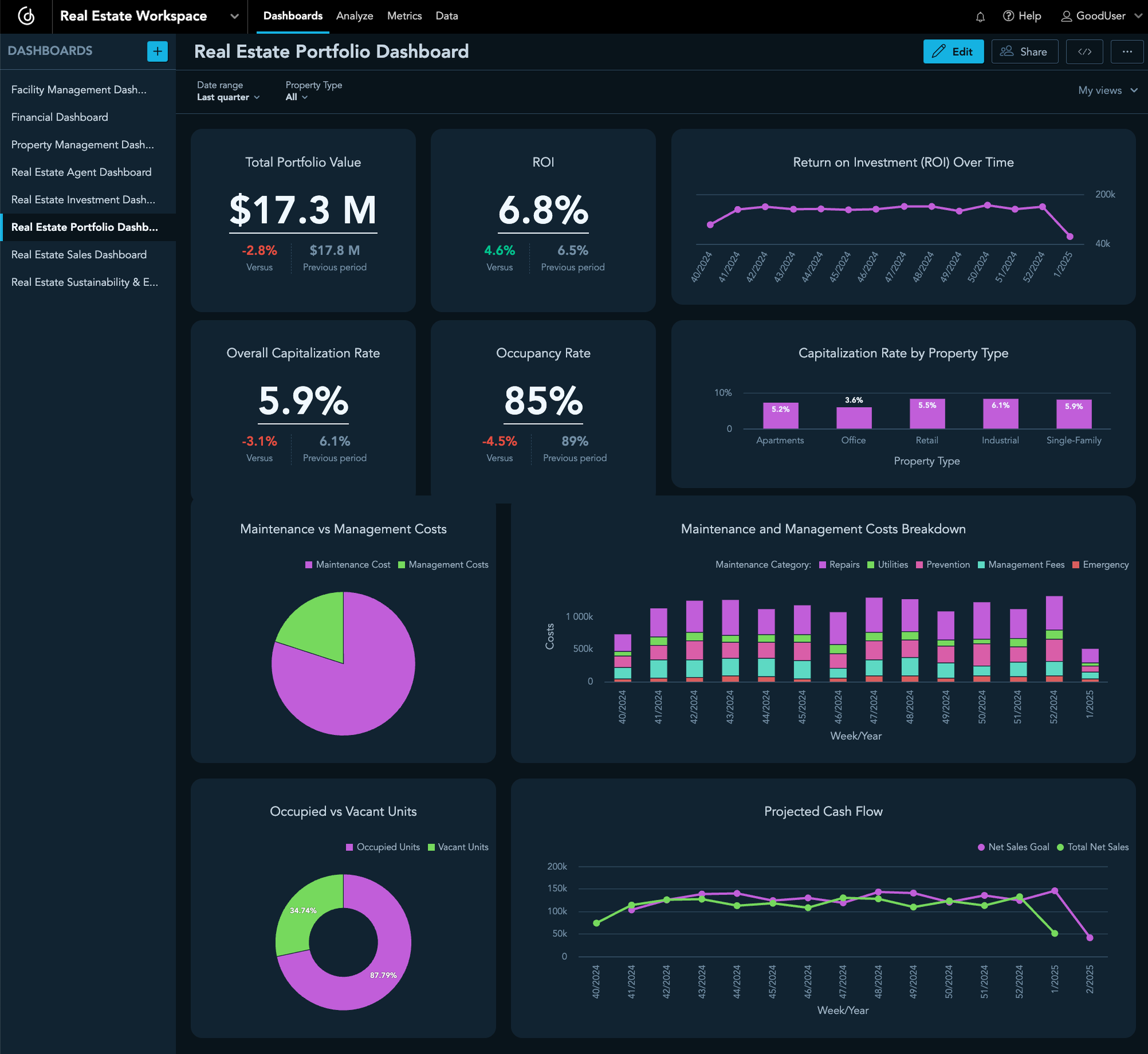
A property management platform has become an essential tool for landlords, property managers, and real estate companies seeking to streamline operations and maximize profitability. Managing rental properties manually can be time-consuming and prone to errors, especially when dealing with multiple tenants, maintenance requests, financial records, and lease agreements.
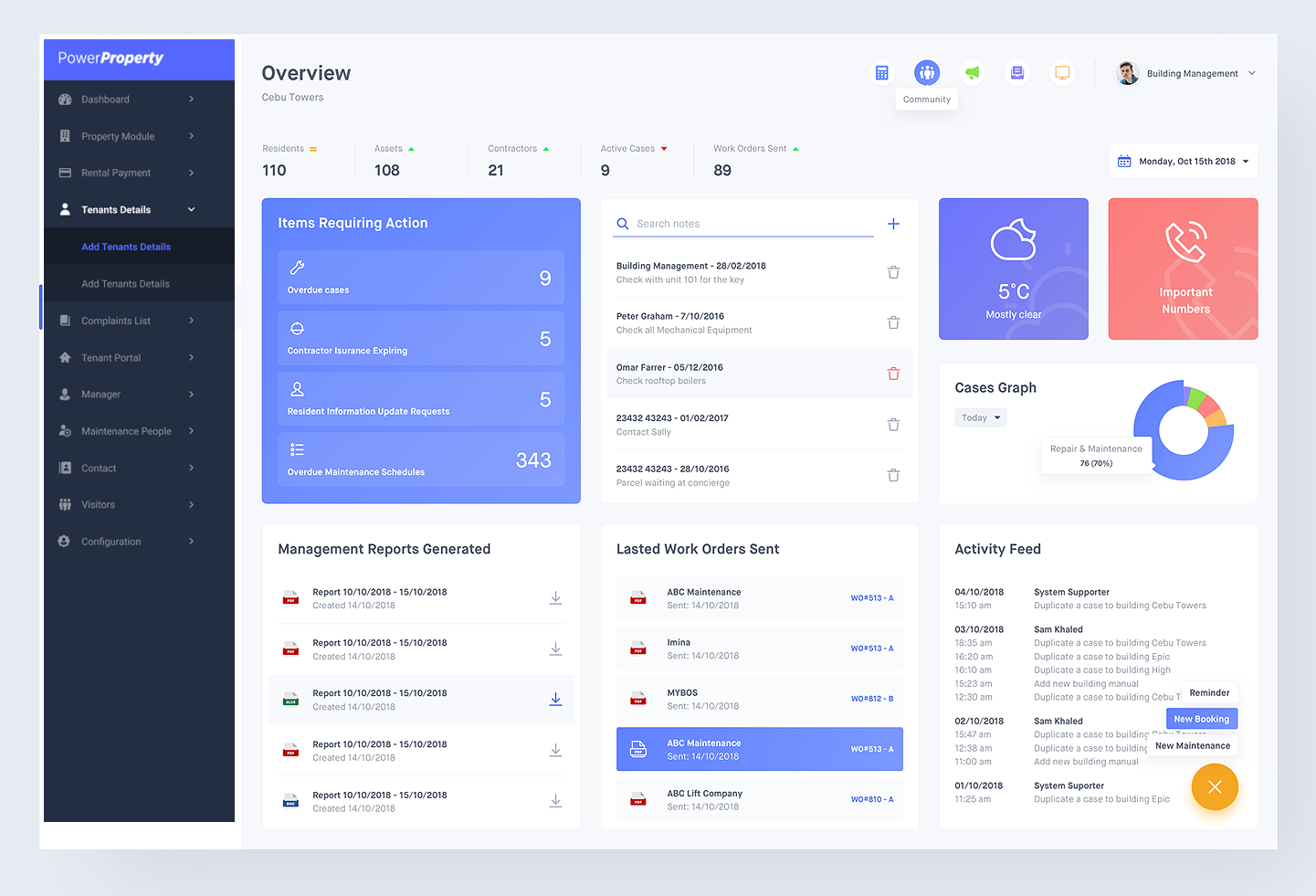
Modern property management platforms automate these processes, allowing property owners to manage their portfolios efficiently from a single dashboard. From tenant communication and rent collection to maintenance tracking and financial reporting, these platforms provide a centralized solution that simplifies property management.
In this guide, we explore what a property management platform is, its key features, benefits, and how it can transform real estate operations.
What Is a Property Management Platform?
A property management platform is a digital software system designed to help property managers and landlords manage residential, commercial, and vacation rental properties efficiently. The platform centralizes property-related tasks such as tenant management, rent collection, maintenance tracking, financial reporting, and lease management.
These platforms are usually cloud-based, meaning users can access them anytime and anywhere using a computer, tablet, or smartphone.
Property management platforms are widely used by:
-
Real estate companies
-
Property management firms
-
Landlords managing multiple properties
-
Vacation rental hosts
-
Estate developers
-
Property investors
Instead of managing spreadsheets, paperwork, and manual records, a property management platform provides an organized digital system that improves efficiency and accuracy.
Key Features of a Property Management Platform
1. Tenant Management
Tenant management is one of the most important features of a property management platform. It allows landlords to keep track of tenant details, lease agreements, and communication.
Key capabilities include:
-
Tenant profiles and records
-
Lease agreement management
-
Automated tenant notifications
-
Document storage
-
Tenant communication portal
With tenant management tools, landlords can easily track rental history and maintain strong relationships with tenants.
2. Online Rent Collection
Online payment systems are a major advantage of modern property management platforms. Tenants can pay rent using various digital payment options, reducing delays and simplifying accounting.
Benefits include:
-
Automated rent reminders
-
Multiple payment methods
-
Instant payment confirmation
-
Payment tracking
-
Reduced late payments
Online rent collection improves cash flow and eliminates the need for manual payment tracking.
3. Maintenance Management
Maintenance requests can quickly become overwhelming without a proper system. A property management platform helps property managers track maintenance issues and assign tasks to technicians.
Maintenance management features include:
-
Tenant maintenance request submission
-
Work order management
-
Vendor assignment
-
Maintenance history tracking
-
Automated notifications
This ensures that property issues are resolved quickly and efficiently.
4. Financial Reporting and Accounting
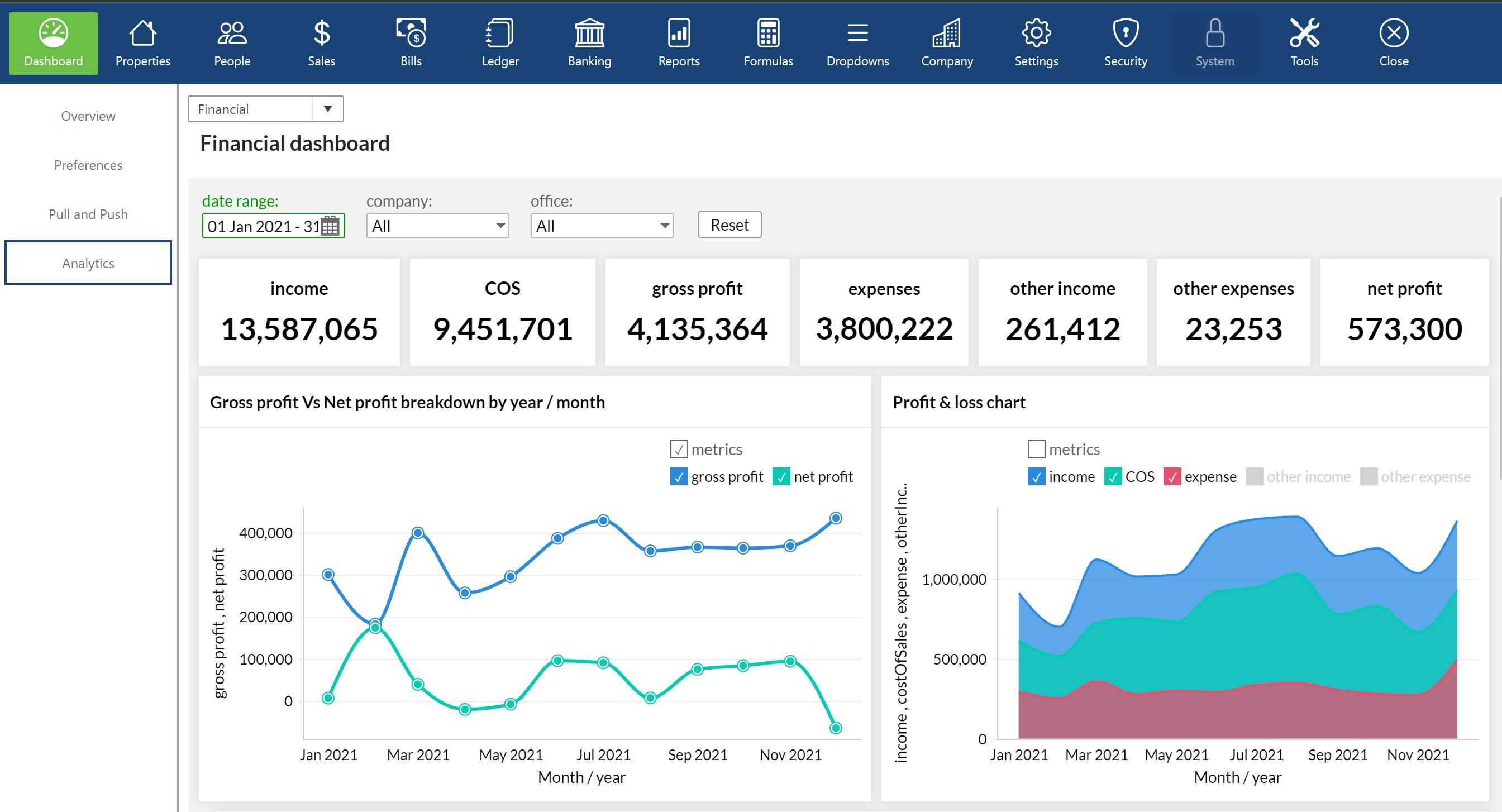
Financial management is a critical component of property management. A property management platform provides detailed financial reports that help landlords track income and expenses.
Key financial tools include:
-
Rent income reports
-
Expense tracking
-
Tax reports
-
Profit and loss statements
-
Budget management
These reports provide valuable insights into the financial performance of a property portfolio.
5. Lease Management
Lease agreements are central to property management. A property management platform helps store and manage lease documents digitally.
Lease management capabilities include:
-
Digital lease agreements
-
Lease renewal reminders
-
Contract storage
-
Tenant signature integration
-
Lease expiration tracking
This ensures compliance and prevents lease-related disputes.
6. Vacancy and Listing Management
Property management platforms also help market available units and reduce vacancy rates.
Features may include:
-
Property listing tools
-
Online rental applications
-
Applicant screening
-
Vacancy tracking
-
Integration with rental listing websites
This makes it easier to attract and manage prospective tenants.
Benefits of Using a Property Management Platform
Improved Efficiency
Automation reduces administrative work, allowing property managers to focus on strategic tasks rather than routine paperwork.
Better Tenant Experience
Tenants can easily communicate with landlords, submit maintenance requests, and pay rent online, creating a more convenient rental experience.
Centralized Data Management
All property information is stored in one secure platform, eliminating the need for multiple spreadsheets and documents.
Real-Time Insights
Property owners can access financial reports and property performance data instantly, enabling better decision-making.
Reduced Errors
Manual data entry often leads to mistakes. A property management platform reduces errors through automation and standardized processes.
Types of Property Management Platforms
Different platforms cater to various property management needs.
Residential Property Management Platforms
These platforms are designed for landlords and property managers managing apartments, houses, and residential complexes.
Features often include tenant screening, rent collection, and maintenance tracking.
Commercial Property Management Platforms
Commercial property platforms are designed for office buildings, retail spaces, and industrial properties.
They often include:
-
Lease abstraction
-
CAM (Common Area Maintenance) tracking
-
Complex financial reporting
Vacation Rental Management Platforms
Vacation rental platforms are used by short-term rental hosts managing properties listed on platforms like Airbnb.
Features include:
-
Channel management
-
Booking calendars
-
Guest communication
-
Automated pricing
Estate Management Platforms
Estate management systems help property developers manage large residential estates, gated communities, and housing projects.
These systems often include:
-
Resident portals
-
Security management
-
Visitor tracking
-
Utility billing
Cloud-Based Property Management Platforms


Cloud technology has transformed property management by enabling remote access and real-time collaboration.
Advantages of cloud-based platforms include:
-
Access from anywhere
-
Automatic updates
-
Secure data storage
-
Scalability for growing portfolios
-
Integration with other software tools
Cloud platforms are particularly beneficial for property managers overseeing multiple properties in different locations.
Choosing the Best Property Management Platform
Selecting the right platform depends on several factors.
Ease of Use
The platform should have an intuitive interface that is easy for property managers and tenants to use.
Automation Capabilities
Look for systems that automate tasks such as rent reminders, financial reporting, and lease renewals.
Integration Options
The best platforms integrate with:
-
Accounting software
-
Payment gateways
-
Listing platforms
-
CRM systems
Scalability
Choose a platform that can grow with your property portfolio.
Security
Ensure the platform offers strong data protection and secure payment processing.
Future Trends in Property Management Platforms
Technology continues to shape the real estate industry. Emerging trends include:
AI-Powered Property Management
Artificial intelligence is being used to automate tenant screening, predict maintenance needs, and optimize rental pricing.
Smart Building Integration
Modern platforms integrate with smart home devices such as smart locks, thermostats, and security systems.
Mobile Property Management
Mobile apps allow landlords and tenants to manage property operations on the go.
Data Analytics and Predictive Insights
Advanced analytics tools help property managers identify trends and make data-driven decisions.
Why Businesses Are Adopting Property Management Platforms
Real estate companies are increasingly adopting property management platforms because they:
-
Reduce operational costs
-
Improve tenant satisfaction
-
Increase rental income
-
Simplify property operations
-
Provide better financial transparency
As property portfolios grow, managing them manually becomes impractical. Digital platforms provide the structure and automation needed for efficient property management.
Conclusion
A property management platform is an indispensable tool for modern real estate management. By automating key tasks such as tenant management, rent collection, maintenance tracking, and financial reporting, these platforms help landlords and property managers operate more efficiently.
Whether managing a single rental property or a large real estate portfolio, adopting a property management platform can significantly improve productivity, reduce errors, and enhance tenant satisfaction.