Manage Tenants Remotely in Kenya: The Ultimate Guide
In today’s fast-paced world, property owners and managers in Kenya are increasingly looking for ways to manage tenants remotely. Whether you own multiple rental units in Nairobi, Mombasa, or Kisumu, managing tenants efficiently without being physically present has become not just convenient but essential. Modern technology and digital solutions now allow landlords to streamline communication, handle payments, and oversee property operations from anywhere.
Why Managing Tenants Remotely is Essential in Kenya
The traditional method of property management in Kenya involved face-to-face interactions, manual rent collection, and physical inspections. This process was time-consuming and prone to errors. However, the rise of digital solutions has transformed the rental industry. Here’s why you should consider managing tenants remotely:
-
Time Efficiency – Remote management tools allow landlords to monitor multiple properties without traveling.
-
Better Tenant Communication – Digital platforms facilitate instant messaging, announcements, and feedback collection.
-
Faster Payments – Tenants can pay rent online using mobile money platforms like M-Pesa, Airtel Money, or bank transfers.
-
Reduced Costs – Less need for on-site staff or intermediaries.
-
Data and Insights – Track payment history, maintenance requests, and occupancy rates digitally.
Best Practices for Managing Tenants Remotely in Kenya
To successfully manage tenants remotely, landlords should adopt a combination of technology and strategic communication. Here are some best practices:
1. Use Reliable Property Management Software
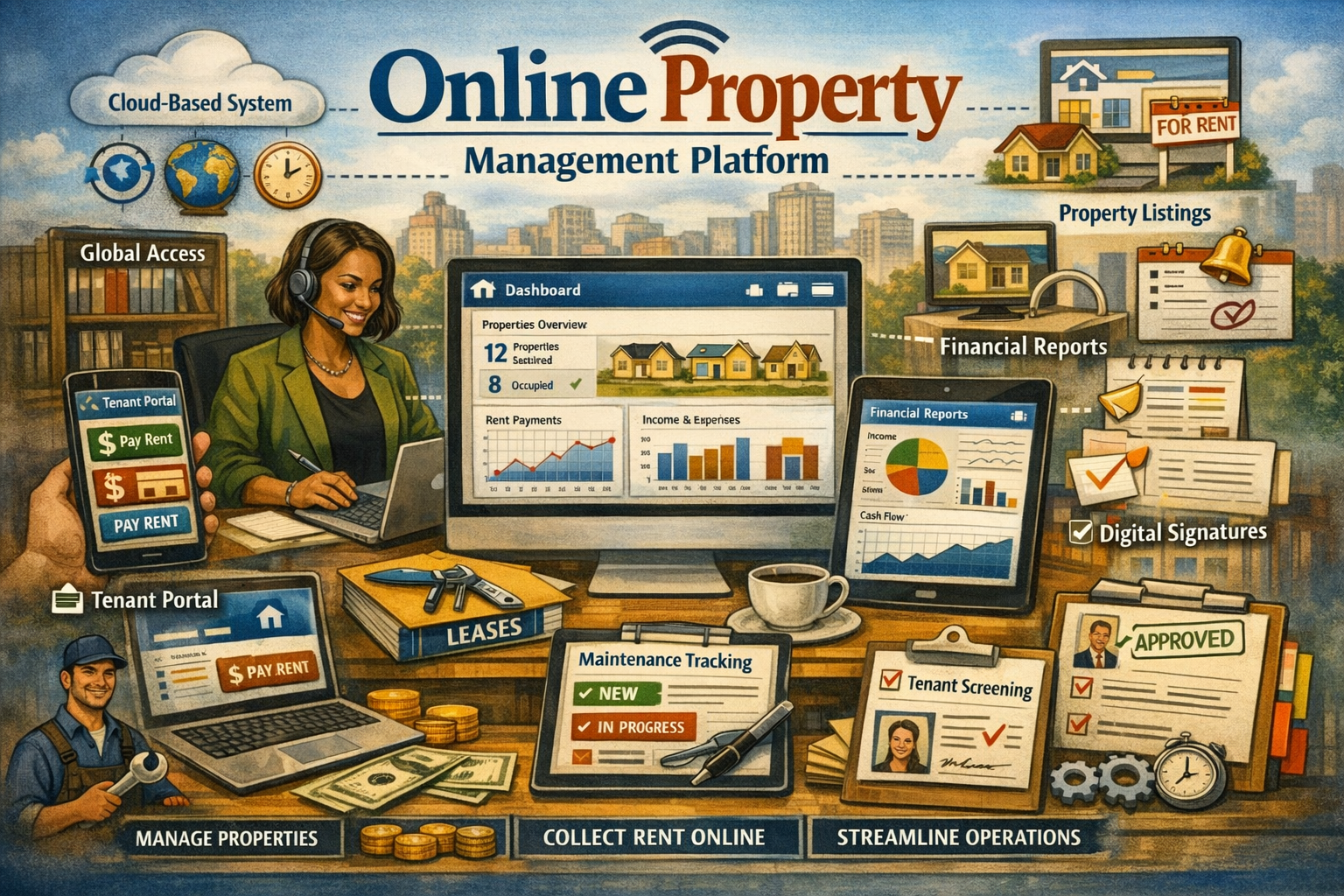
Modern software solutions allow landlords to manage properties efficiently. In Kenya, platforms like EstateAdmin, Vega POS, and local property management apps help automate rent collection, issue invoices, and track tenant requests. Features to look for include:
-
Online payment integration (M-Pesa, bank transfers)
-
Tenant portal for maintenance requests
-
Automated reminders for overdue rent
-
Digital lease agreements
2. Set Clear Communication Channels
Clear communication is the backbone of remote property management. Establish official channels such as WhatsApp, email, or the tenant portal to handle:
-
Maintenance requests
-
Lease renewals
-
Policy updates
-
Complaints or inquiries
Consistent communication reduces misunderstandings and ensures tenant satisfaction.
3. Offer Flexible Payment Options
Kenya’s tenants often prefer mobile money solutions for rent payments. Offering multiple payment options ensures timely payments:
-
M-Pesa Paybill or Till numbers
-
Airtel Money
-
Bank transfers
-
Online payment through property management portals
Automating reminders for upcoming rent payments also minimizes late payments.
4. Conduct Virtual Inspections
Remote property management doesn’t mean you can’t inspect your properties. Virtual inspections via video calls or tenants sending photos can:
-
Ensure property maintenance
-
Reduce disputes over property condition
-
Save time and travel costs
5. Maintain Digital Records
Keeping records digitally is crucial for transparency and legal compliance. Ensure all contracts, receipts, and communication logs are stored securely. Cloud-based solutions in Kenya are widely accessible and cost-effective.
Challenges of Managing Tenants Remotely in Kenya
While managing tenants remotely has many advantages, landlords should also be aware of potential challenges:
-
Internet Connectivity Issues – Some rural areas may have unreliable internet access.
-
Tenant Trust – Some tenants may prefer physical presence to resolve disputes.
-
Payment Verification – Ensuring timely rent payment without physical confirmation can be tricky.
-
Legal Compliance – Understanding local tenancy laws is essential for remote management.
Overcoming these challenges involves choosing the right technology, clear communication, and legal awareness.
Technology Solutions to Manage Tenants Remotely in Kenya
Several tools are available to make remote property management seamless:
1. Property Management Software
Software solutions like EstateAdmin in Kenya provide end-to-end management:
-
Track rent collection
-
Automate lease agreements
-
Generate monthly financial statements
-
Monitor maintenance requests
2. Mobile Payment Platforms
Mobile money is integral to remote property management in Kenya. M-Pesa is particularly popular and allows landlords to:
-
Receive rent directly
-
Send receipts instantly
-
Integrate payments with accounting software
3. Cloud Storage and Digital Documentation
Platforms like Google Drive, Dropbox, or dedicated property management cloud services help landlords:
-
Store contracts securely
-
Share documents with tenants remotely
-
Access data from anywhere
4. Communication Tools
Tools such as WhatsApp, Zoom, and email platforms facilitate efficient tenant communication, virtual inspections, and issue resolutions.
Benefits of Remote Tenant Management in Kenya
Implementing a remote management system offers numerous benefits:
-
Scalability – Manage more properties without increasing workload.
-
Cost Savings – Reduce the need for on-site staff and frequent travel.
-
Improved Tenant Satisfaction – Fast response to maintenance requests and flexible payment options.
-
Better Decision-Making – Access data on rent trends, occupancy rates, and maintenance issues.
Tips for Choosing the Right Remote Management Solution
When selecting a property management tool in Kenya, consider:
-
Local Compatibility – Supports M-Pesa and other Kenyan payment systems.
-
Ease of Use – User-friendly for both tenants and landlords.
-
Security – Protect tenant data with encryption and secure cloud storage.
-
Support and Training – Reliable customer support and tutorials for setup.
-
Cost-Effectiveness – Affordable pricing plans suitable for your property portfolio.
How Remote Tenant Management Improves Cash Flow
Automated rent collection and online payment integration significantly improve cash flow. Landlords can:
-
Receive rent on time
-
Minimize bad debt
-
Monitor overdue payments with automated alerts
-
Generate financial reports for better budgeting
Case Study: Remote Tenant Management in Nairobi
Consider a landlord managing five rental apartments in Nairobi:
-
Previously, they relied on manual rent collection and physical inspections.
-
After adopting a digital property management system, they can now:
-
Receive rent through M-Pesa
-
Track tenant maintenance requests online
-
Conduct virtual inspections via video calls
-
Result: Rent collection efficiency increased by 40%, tenant complaints decreased, and time spent on property management reduced significantly.
The Future of Property Management in Kenya
The trend of managing tenants remotely is only set to grow in Kenya. With increasing smartphone penetration, reliable internet access, and innovative property management platforms, landlords can:
-
Expand their property portfolio efficiently
-
Offer better tenant experiences
-
Make data-driven decisions
-
Reduce operational costs
Embracing remote property management is no longer optional—it’s a strategic move for competitive advantage in Kenya’s rental market.
Conclusion
Managing tenants remotely in Kenya is no longer a futuristic concept; it is a practical solution for today’s property owners. By leveraging technology, mobile payment platforms, and digital communication tools, landlords can efficiently manage multiple properties, enhance tenant satisfaction, and increase profitability.
Whether you are in Nairobi, Mombasa, Kisumu, or any other city in Kenya, adopting remote tenant management systems ensures your rental business runs smoothly, securely, and profitably.