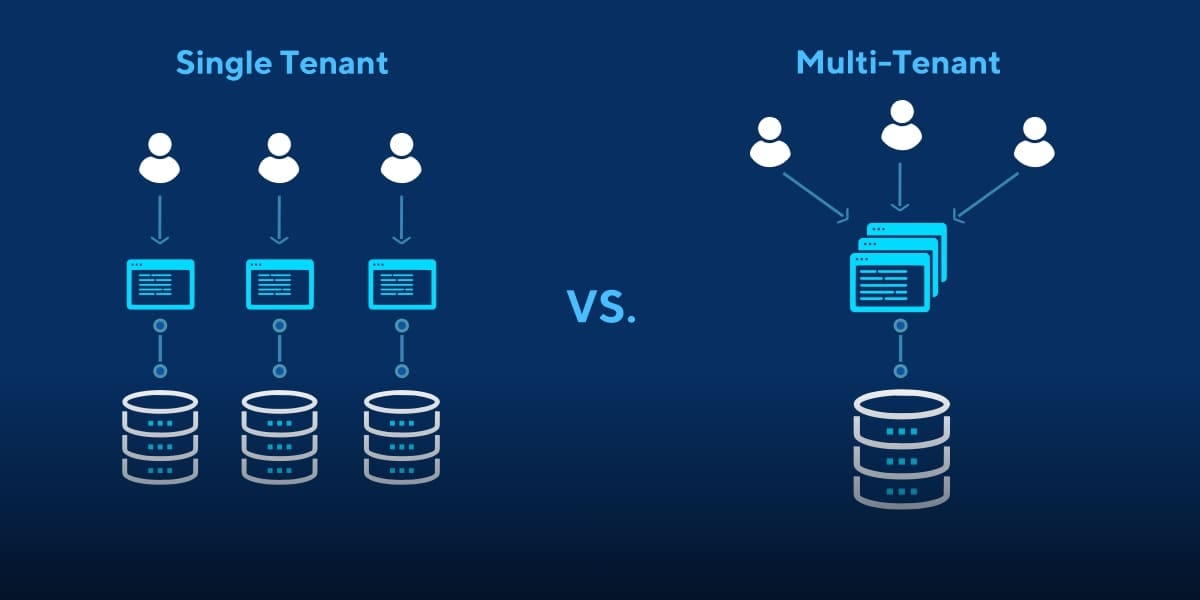
Introduction to Lease and Tenant Tracking
Efficient property management starts with accurate lease and tenant tracking. Property managers, landlords, and real estate professionals rely on robust systems to monitor tenant information, lease agreements, and payment schedules. Without proper tracking, late payments, lease expirations, and tenant disputes can become costly and time-consuming.
Key Features of Lease and Tenant Tracking
-
Centralized Tenant Database
Maintain a comprehensive record of all tenants, including contact details, lease agreements, and payment history. This ensures quick access to essential information whenever needed. -
Lease Management
Track lease start and end dates, renewal schedules, and lease terms. Automated reminders help prevent missed renewals and reduce administrative workload. -
Rent Payment Tracking
Monitor rental payments in real-time, generate invoices, and receive notifications for late payments. This feature ensures consistent cash flow and reduces the risk of defaults. -
Document Storage & Management
Store lease agreements, tenant IDs, and other important documents securely in one place. Digital access simplifies audits and tenant communications. -
Reporting & Analytics
Generate reports on occupancy rates, payment history, lease expirations, and tenant behavior. Insightful analytics allow property managers to make informed decisions.
Benefits of Using Lease and Tenant Tracking Systems
-
Improved Efficiency: Automate routine tasks like reminders, invoicing, and lease renewals.
-
Enhanced Accuracy: Reduce human errors and ensure up-to-date tenant records.
-
Better Tenant Relationships: Timely communication and easy access to lease information improve tenant satisfaction.
-
Legal Compliance: Keep all records organized to comply with local housing regulations and lease laws.
Choosing the Right Lease and Tenant Tracking Solution
When selecting a lease and tenant tracking system, consider:
-
User-friendly interface
-
Cloud-based access
-
Integration with accounting software
-
Data security and privacy features
-
Scalability for growing property portfolios
Conclusion
A reliable lease and tenant tracking system is essential for modern property management. It saves time, reduces errors, and provides actionable insights for landlords and property managers. By adopting an advanced tracking solution, you can streamline operations, ensure timely payments, and maintain positive tenant relationships.
Suggested Image Ideas
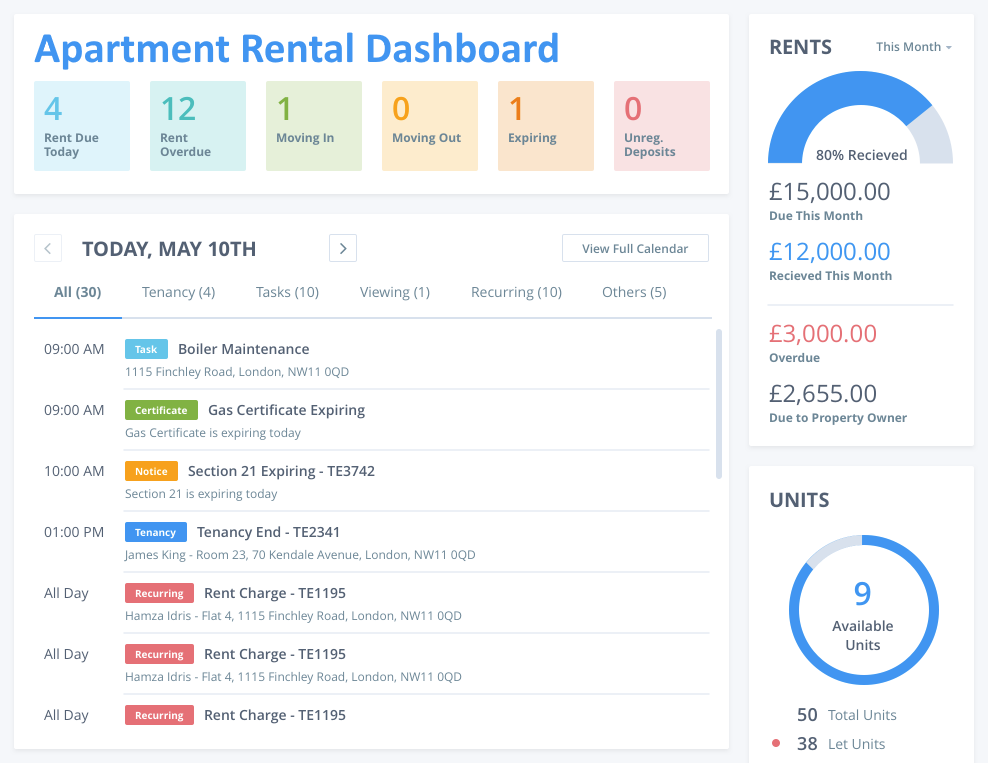

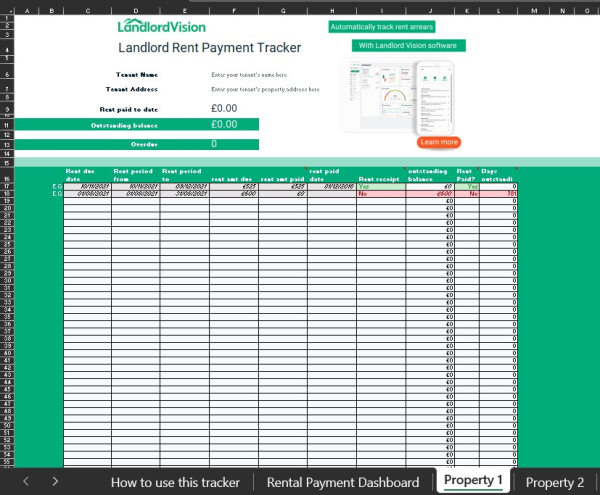
Lease and Tenant Tracking: The Ultimate Guide for Property Managers
Efficient lease and tenant tracking is the backbone of modern property management. From small-scale landlords to large real estate companies, managing leases, rent payments, and tenant records can be overwhelming without the right tools. This guide will explore everything you need to know about lease and tenant tracking, its benefits, features, and best practices.
What Is Lease and Tenant Tracking?
Lease and tenant tracking is the process of systematically monitoring and managing lease agreements, tenant details, rent payments, and related documents. It involves both manual and automated systems that help landlords and property managers stay organized, ensure timely rent collection, and maintain compliance with housing regulations.
At its core, lease and tenant tracking allows property managers to:
-
Keep a centralized database of tenant information
-
Track lease start and end dates, renewals, and expirations
-
Monitor rent payments and manage arrears
-
Store legal documents securely
-
Generate reports for decision-making
Why Lease and Tenant Tracking Is Crucial
Failing to track leases and tenants efficiently can result in missed payments, lease violations, or even legal disputes. Here’s why every property manager needs an effective system:
-
Reduce Administrative Burden
Manual tracking is time-consuming. Automating reminders, invoices, and lease management reduces errors and frees up time for strategic tasks. -
Improve Cash Flow
Real-time rent tracking ensures timely payments, reducing financial risks for landlords and investors. -
Ensure Legal Compliance
Accurate records help comply with local landlord-tenant laws, mitigating risks associated with disputes or audits. -
Enhance Tenant Relationships
Efficient communication, clear lease terms, and easy access to information improve tenant satisfaction and retention. -
Support Data-Driven Decisions
Analytics and reports help property managers optimize occupancy rates, rental pricing, and property maintenance strategies.
Key Features of a Lease and Tenant Tracking System
A robust lease and tenant tracking system offers multiple features tailored for property management efficiency:
1. Centralized Tenant Database
A unified tenant database stores all tenant profiles, including:
-
Contact information
-
Lease agreements
-
Payment history
-
Maintenance requests
This allows quick access to essential details anytime, improving responsiveness and tenant relations.
2. Lease Management Tools
Track lease details such as:
-
Start and end dates
-
Renewal schedules
-
Security deposits
-
Terms and conditions
Automated notifications ensure leases are renewed on time, reducing vacancy periods.
3. Rent Payment Tracking
Monitor rent payments in real-time with features like:
-
Digital invoicing
-
Automatic payment reminders
-
Late payment alerts
-
Integration with accounting software
This ensures predictable cash flow and reduces financial stress.
4. Document Storage and Management
Digitally store critical documents, including:
-
Lease agreements
-
Tenant IDs and verification documents
-
Notices and legal correspondence
This provides secure, organized access and simplifies compliance audits.
5. Reporting and Analytics
Advanced analytics provide insights into:
-
Occupancy rates
-
Rent collection trends
-
Lease renewal patterns
-
Tenant behavior
Reports help in strategic decision-making, property valuation, and financial planning.
Benefits of Effective Lease and Tenant Tracking
Time-Saving Automation
Automation reduces manual tasks such as sending reminders, updating records, and generating invoices. Property managers can focus on improving tenant experiences and expanding their portfolio.
Accuracy and Reduced Errors
Human errors in manual tracking can lead to missed payments, double bookings, or incorrect lease data. Digital systems reduce these risks significantly.
Tenant Satisfaction and Retention
Timely communication, accurate billing, and organized records foster trust between landlords and tenants, encouraging long-term tenancy.
Regulatory Compliance
A systematic tracking system ensures that all leases, payments, and notices comply with local housing laws, avoiding potential legal issues.
Best Practices for Lease and Tenant Tracking
To maximize the efficiency of lease and tenant tracking, follow these best practices:
-
Use a Digital System – Cloud-based property management software offers real-time access from anywhere, enabling remote management.
-
Regularly Update Tenant Records – Keep contact information, payment status, and lease details current to avoid miscommunication.
-
Automate Notifications – Set reminders for rent due dates, lease renewals, and document expirations.
-
Secure Your Data – Ensure that tenant information is protected with encryption and regular backups.
-
Monitor Performance Metrics – Track occupancy, rent collection efficiency, and maintenance requests to identify opportunities for improvement.
Common Challenges in Lease and Tenant Tracking
Even with a system in place, property managers face challenges such as:
-
Inconsistent data entry leading to errors
-
Late rent payments from tenants
-
Managing multiple properties across locations
-
Compliance with ever-changing landlord-tenant regulations
Choosing the right software and establishing clear workflows helps overcome these challenges efficiently.
Choosing the Right Lease and Tenant Tracking Solution
When evaluating software options, consider:
-
Ease of Use: User-friendly interfaces reduce training time.
-
Integration: Compatibility with accounting, CRM, or payment systems.
-
Scalability: Ability to handle growing property portfolios.
-
Data Security: Encryption and secure cloud storage.
-
Customization: Tailor features to match property-specific workflows.
Lease and Tenant Tracking in the Digital Era
Modern property management increasingly relies on technology. Mobile apps, cloud databases, and AI-driven analytics are revolutionizing how landlords track tenants and leases. With digital tools, landlords can:
-
Automate rent collection and late fees
-
Send lease renewal notifications automatically
-
Analyze tenant payment patterns
-
Access records on-demand from any device
FAQs About Lease and Tenant Tracking
Q1: What is the best software for lease and tenant tracking?
A: The best software depends on your property portfolio size, but leading solutions offer cloud access, automation, and reporting features.
Q2: Can lease tracking improve tenant retention?
A: Yes. Timely communication, organized records, and automated reminders enhance tenant satisfaction and encourage long-term tenancy.
Q3: How does lease tracking help with legal compliance?
A: It ensures all leases, payment histories, and notices are properly documented, reducing risks during audits or disputes.
Q4: Is it better to track leases manually or digitally?
A: Digital tracking is far more efficient, accurate, and scalable than manual methods.
Conclusion
Effective lease and tenant tracking is a critical component of modern property management. By centralizing tenant data, automating processes, and leveraging analytics, landlords and property managers can streamline operations, reduce errors, and improve tenant relationships. Investing in a robust tracking system not only simplifies day-to-day management but also supports long-term growth and profitability.