How to Manage Multiple Properties: A Complete Guide for Landlords in Kenya
Managing multiple properties can be a rewarding investment strategy, but it comes with unique challenges. From tenant management to maintenance, financial tracking, and legal compliance, landlords need effective systems to ensure their properties are profitable and well-maintained. This guide explores how to manage multiple properties efficiently in Kenya, offering practical tips, technology solutions, and expert advice.
Understanding the Challenges of Managing Multiple Properties
Owning a single rental property is relatively straightforward, but when you scale to multiple properties, complexity increases. Common challenges include:
-
Tenant Management – Keeping track of rent payments, lease agreements, and tenant requests can become overwhelming when you own multiple properties.
-
Maintenance and Repairs – Ensuring all properties are well-maintained requires organized scheduling and reliable service providers.
-
Financial Management – Managing income and expenses for multiple properties involves careful bookkeeping, budgeting, and reporting.
-
Legal Compliance – Landlords must comply with Kenyan tenancy laws, including proper documentation, dispute resolution, and tax obligations.
-
Time Management – Juggling multiple tenants, properties, and operational tasks demands efficient systems and automation.
Understanding these challenges is the first step toward effectively managing multiple properties.
1. Organize Your Property Information
Organization is key to managing multiple properties efficiently. Start by creating a central database that includes:
-
Property addresses and type (apartment, house, commercial unit)
-
Lease agreements and tenant details
-
Payment history and financial records
-
Maintenance schedules and service provider contacts
Using a digital system instead of paper files reduces errors, saves time, and improves accessibility.
2. Implement a Reliable Tenant Management System
A tenant management system in Kenya can transform the way you handle multiple properties. Features to look for include:
-
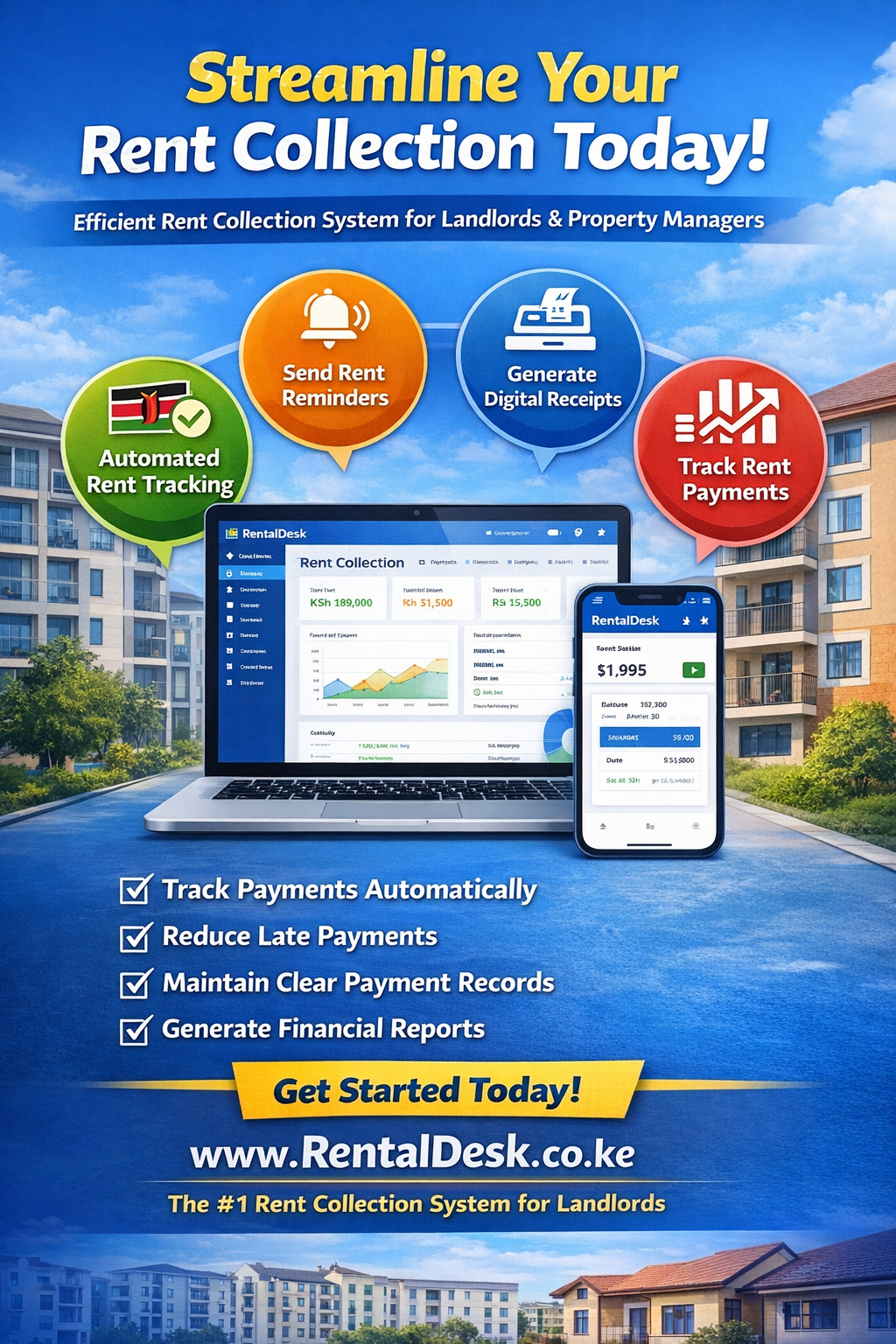
Automated rent collection and reminders
-
Lease management and digital document storage
-
Tenant communication portal
-
Tracking of complaints and maintenance requests
Such systems minimize manual work, reduce late payments, and improve tenant satisfaction.
3. Automate Rent Collection and Invoicing
Automating rent collection is one of the most effective ways to manage multiple properties. Benefits include:
-
Timely Payments – Tenants receive automated reminders before rent is due.
-
Accurate Records – Each payment is tracked digitally, reducing errors and disputes.
-
Financial Reporting – Easily generate monthly or yearly income reports for each property.
In Kenya, mobile payment solutions like M-Pesa, bank transfers, and online payment portals are commonly used. Integrating these into your property management system simplifies cash flow management.
4. Schedule Regular Property Inspections
Regular inspections help maintain your properties in excellent condition and identify issues early. Tips include:
-
Conduct inspections quarterly or semi-annually.
-
Use a checklist to assess plumbing, electrical systems, structural integrity, and cleanliness.
-
Document inspection results with photos and notes in your management system.
Proactive inspections reduce costly repairs and ensure tenant satisfaction.
5. Maintain Strong Relationships with Tenants
Tenants are the lifeblood of rental property businesses. To manage multiple properties successfully:
-
Respond promptly to tenant inquiries and complaints.
-
Maintain transparency regarding rent, policies, and repairs.
-
Consider loyalty programs or incentives for long-term tenants.
Happy tenants are more likely to pay rent on time and take care of your properties.
6. Streamline Maintenance and Repairs
Managing multiple properties means coordinating multiple maintenance requests. Strategies include:
-
Hiring trusted contractors and service providers for recurring needs
-
Maintaining a database of service providers, including electricians, plumbers, and cleaners
-
Implementing a ticket system for repair requests, so tenants can report issues digitally
Automating maintenance requests through software ensures accountability and timely resolution.
7. Track Expenses and Financial Performance
Financial management becomes more complex with multiple properties. Effective tracking involves:
-
Categorizing expenses (repairs, utilities, taxes, insurance) per property
-
Using property management software for budgeting and reporting
-
Regularly reviewing profit margins and ROI for each property
Accurate financial tracking helps identify underperforming properties and optimize profitability.
8. Use Property Management Software
One of the most effective ways to manage multiple properties is by leveraging technology. A property management software in Kenya offers:
-
Centralized tenant and property data
-
Automated rent invoicing and reminders
-
Maintenance tracking
-
Expense management
-
Reports on property performance
Popular Kenyan property management platforms help landlords save time, reduce errors, and scale their business efficiently.
9. Delegate Tasks Where Possible
Even with technology, managing multiple properties can be demanding. Consider:
-
Hiring a property manager or assistant to handle day-to-day operations
-
Outsourcing bookkeeping or accounting tasks
-
Delegating tenant communications to a professional team
Delegation frees your time, allowing you to focus on strategic growth.
10. Stay Compliant with Kenyan Laws
Legal compliance is critical. Key points for landlords in Kenya include:
-
Following the Landlord and Tenant (Shops, Hotels and Catering Establishments) Act
-
Registering tenancy agreements in writing
-
Complying with property tax and income tax obligations
-
Understanding eviction laws and dispute resolution procedures
Staying compliant reduces legal risks and protects your investment.
11. Tips for Scaling Your Property Portfolio
Once you are comfortable managing multiple properties, scaling can increase revenue. Consider:
-
Standardizing processes across all properties
-
Investing in properties in high-demand areas
-
Diversifying property types (residential, commercial, short-term rentals)
-
Leveraging technology to automate routine tasks
Scaling efficiently depends on systems, processes, and reliable support teams.
12. Avoid Common Mistakes
Landlords managing multiple properties often make avoidable errors. Avoid:
-
Neglecting tenant communication
-
Failing to track finances per property
-
Delaying maintenance or repairs
-
Overlooking legal requirements
-
Relying solely on manual methods instead of technology
By being proactive and organized, you can prevent these pitfalls.
13. Leveraging Technology for Maximum Efficiency
Modern property management software has features tailored for multiple property management:
-
Mobile Apps – Manage properties on-the-go.
-
Automated Reporting – Track income, expenses, and occupancy rates.
-
Digital Document Storage – Keep leases, receipts, and contracts in one place.
-
Notifications & Alerts – Never miss a payment, inspection, or maintenance task.
Using these tools allows landlords in Kenya to manage a growing portfolio with minimal stress.
Conclusion
Learning how to manage multiple properties effectively requires a mix of organization, technology, and strong tenant relationships. By implementing proper systems, automating processes, and staying compliant with Kenyan laws, landlords can maximize revenue, reduce stress, and grow their property portfolio efficiently.
Whether you are managing two properties or twenty, adopting these strategies ensures your investments remain profitable and your tenants satisfied. Start with one step today—organize your records or automate rent collection—and watch your property management process transform.