Landlord Software Kenya: The Ultimate Guide for Property Owners and Managers
The real estate market in Kenya has experienced significant growth over the past decade, especially in urban centers like Nairobi, Mombasa, and Kisumu. As property investments continue to rise, landlords and property managers are increasingly turning to landlord software in Kenya to streamline operations, improve tenant management, and boost profitability.
In this comprehensive guide, we explore everything you need to know about landlord software in Kenya—its features, benefits, pricing, and how to choose the best solution for your rental business.
What is Landlord Software?
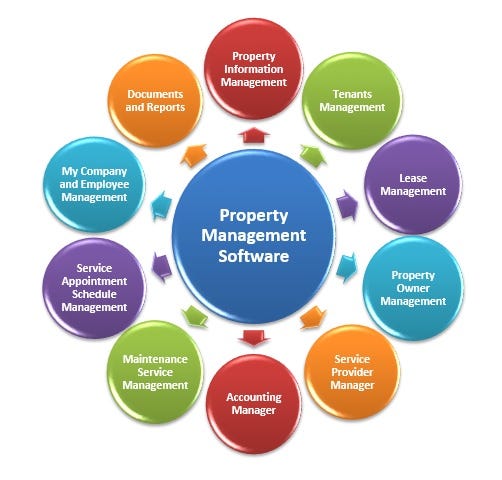
Landlord software is a digital solution designed to help property owners, landlords, and real estate managers automate and manage rental operations. It replaces manual processes such as rent collection, tenant communication, lease tracking, and financial reporting with an efficient, centralized system.
For landlords in Kenya, this software is especially valuable in managing multiple properties, tracking payments through mobile money platforms like M-Pesa, and maintaining compliance with local regulations.
Why You Need Landlord Software in Kenya
Managing rental properties manually can be time-consuming and prone to errors. Here are key reasons why investing in landlord software in Kenya is essential:
1. Efficient Rent Collection
With landlord software, tenants can pay rent digitally via M-Pesa, bank transfers, or card payments. Automated reminders reduce late payments and improve cash flow.
2. Centralized Tenant Management
Store tenant details, lease agreements, and communication history in one place. This makes it easier to manage multiple tenants across different properties.
3. Financial Tracking and Reporting
Generate real-time reports on income, expenses, and profits. This helps landlords make informed financial decisions.
4. Reduced Administrative Work
Automation eliminates repetitive tasks such as sending rent reminders, generating invoices, and tracking payments.
5. Improved Transparency
Both landlords and tenants benefit from clear, accessible records of payments, agreements, and communication.
Key Features of Landlord Software in Kenya
When choosing landlord software, look for the following essential features:
1. Rent Collection Integration
Ensure the system supports local payment methods such as M-Pesa, Airtel Money, and bank integrations.
2. Tenant Portal
A tenant portal allows renters to:
-
Pay rent online
-
Submit maintenance requests
-
Access lease agreements
3. Lease Management
Track lease start and end dates, renewals, and rent adjustments automatically.
4. Maintenance Tracking
Log and manage maintenance requests efficiently, ensuring timely repairs and satisfied tenants.
5. Accounting and Reporting
Track income, expenses, and generate financial statements for tax and business analysis.
6. Mobile Accessibility
Cloud-based landlord software allows you to manage properties from anywhere using a smartphone or laptop.
Benefits of Using Landlord Software in Kenya
Increased Productivity
Automation frees up time for landlords to focus on growing their property portfolio.
Better Tenant Relationships
Timely communication and efficient issue resolution improve tenant satisfaction and retention.
Reduced Rent Arrears
Automated reminders and digital payments help minimize late or missed payments.
Scalability
Whether you own one property or hundreds, landlord software grows with your business.
Types of Landlord Software Available in Kenya
1. Cloud-Based Software
-
Accessible from anywhere
-
No installation required
-
Regular updates and backups
2. On-Premise Software
-
Installed on local computers
-
Suitable for large organizations with in-house IT
3. Mobile Apps
-
Ideal for landlords who prefer managing properties on the go
How to Choose the Best Landlord Software in Kenya
Selecting the right software depends on your specific needs. Consider the following:
1. Ease of Use
Choose a system with a user-friendly interface to minimize training time.
2. Local Payment Integration
Ensure compatibility with Kenyan payment systems like M-Pesa.
3. Pricing
Compare subscription plans and choose one that fits your budget.
4. Customer Support
Reliable support is crucial for resolving technical issues quickly.
5. Customization
Look for software that can be tailored to your property management needs.
Popular Use Cases for Landlord Software in Kenya
-
Residential apartments
-
Commercial buildings
-
Student housing
-
Short-term rentals (Airbnb-style)
Challenges Landlords Face Without Software
Without landlord software, property owners often encounter:
-
Difficulty tracking rent payments
-
Poor tenant communication
-
Inaccurate financial records
-
Time-consuming manual processes
These challenges can lead to financial losses and tenant dissatisfaction.
Future of Landlord Software in Kenya
The future of landlord software in Kenya is promising, driven by:
-
Increased smartphone usage
-
Growth of digital payments
-
Demand for automation in real estate
Advanced features like AI-powered analytics, predictive maintenance, and smart property integration are expected to become more common.
SEO Keywords Related to Landlord Software Kenya
To rank higher on search engines, consider incorporating these related keywords:
-
property management software Kenya
-
rental management system Kenya
-
real estate software Kenya
-
rent collection software Kenya
-
landlord management system Nairobi
-
best property software Kenya
Conclusion
Adopting landlord software in Kenya is no longer a luxury—it’s a necessity for modern property management. Whether you’re a small landlord or managing a large portfolio, the right software can transform your operations, improve efficiency, and increase profitability.
By automating rent collection, simplifying tenant management, and providing valuable financial insights, landlord software empowers Kenyan landlords to stay competitive in a rapidly evolving real estate market.