Rental Income Tracking Software: The Ultimate Solution for Property Owners
Managing rental properties can be a lucrative business, but it comes with its challenges—especially when it comes to tracking rental income. Traditional methods like spreadsheets or manual bookkeeping are prone to errors and can be time-consuming. That’s where rental income tracking software comes in. This modern solution automates, organizes, and simplifies the process, ensuring landlords and property managers can focus on growth rather than paperwork.
What is Rental Income Tracking Software?
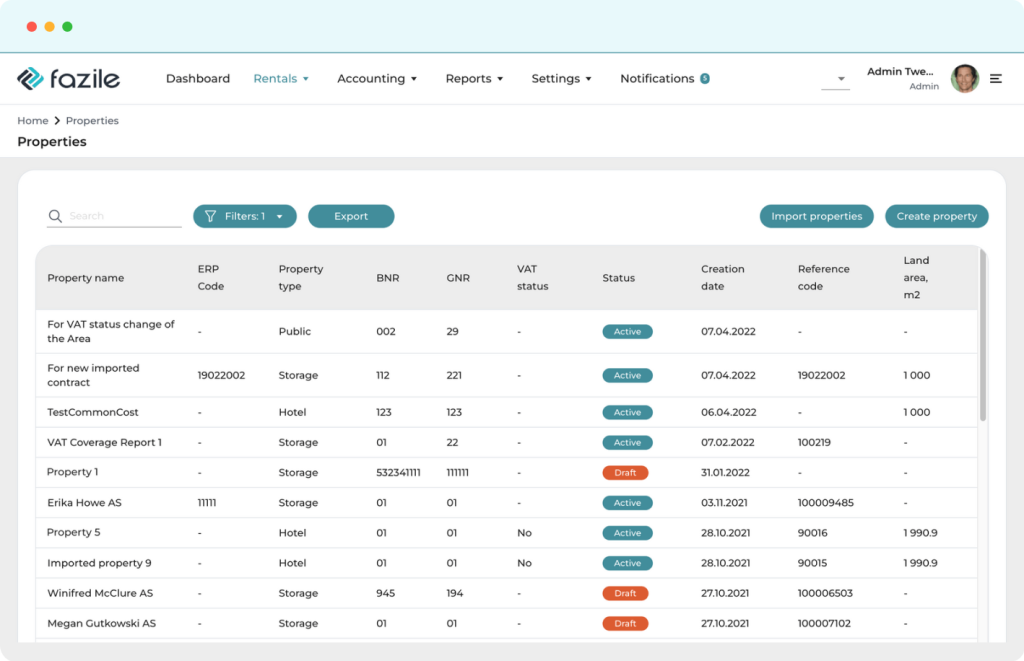
Rental income tracking software is a specialized digital tool designed to help property owners monitor and manage rental payments. It records incoming rent, tracks overdue payments, generates financial reports, and provides insights into your property’s performance. Unlike generic accounting tools, this software is tailored specifically for the rental property industry, making it easier to stay organized and compliant.
Key features typically include:
-
Automated rent collection and reminders
-
Expense tracking and financial reporting
-
Tenant payment history
-
Integration with bank accounts and payment gateways
-
Notifications for late or missed payments
Why Property Owners Need Rental Income Tracking Software
Owning rental properties may seem simple, but financial management is a critical part of success. Without proper tracking, you risk:
-
Missed payments: Forgetting due dates or losing track of tenant payments.
-
Accounting errors: Manual bookkeeping can lead to discrepancies and potential tax issues.
-
Time wastage: Constantly chasing payments or updating spreadsheets reduces productivity.
With rental income tracking software, landlords and property managers can streamline all financial operations, gain real-time visibility into their rental income, and make informed decisions to improve profitability.
Benefits of Using Rental Income Tracking Software
1. Automated Rent Collection
One of the standout features is the ability to automate rent collection. Tenants can pay directly through the software, and landlords receive instant notifications. This reduces the risk of late payments and ensures a predictable cash flow.
2. Accurate Financial Reporting
The software generates detailed reports, including income statements, expense summaries, and tax reports. With accurate data, property owners can track profitability, calculate ROI, and prepare for tax season without stress.
3. Expense Management
Rental income is only part of the picture. Property owners also deal with maintenance costs, utilities, insurance, and taxes. Good rental income tracking software allows users to record and categorize expenses, giving a clear picture of net income.
4. Tenant Management
Modern solutions include tenant profiles with payment histories, lease agreements, and communication logs. This feature helps landlords maintain strong relationships with tenants while staying organized.
5. Cloud Access and Security
Many rental income tracking solutions are cloud-based, meaning landlords can access their financial data from anywhere. Cloud systems also offer high-level security, protecting sensitive information such as bank details and tenant records.
Features to Look for in Rental Income Tracking Software
Choosing the right software is crucial. Here’s what to consider:
-
Ease of Use: A user-friendly interface reduces the learning curve.
-
Integration: Connects with payment gateways, accounting software, and banking apps.
-
Reporting: Customizable financial reports for taxes, audits, and performance analysis.
-
Multi-Property Support: Ideal for landlords with several rental properties.
-
Alerts & Notifications: Reminds tenants of payment due dates and flags late payments.
-
Mobile Access: Access the platform via smartphones or tablets for flexibility.
How Rental Income Tracking Software Improves Efficiency
Time is money, and property owners spend hours managing financial records manually. Rental income tracking software improves efficiency by:
-
Eliminating manual calculations and reducing human error.
-
Consolidating all rental data in one dashboard.
-
Allowing landlords to quickly generate financial reports and tax documents.
-
Facilitating instant payment verification and reconciliation.
These features not only save time but also reduce stress, enabling landlords to focus on expanding their property portfolios.
Top Rental Income Tracking Software Options
Here are some popular options widely used by landlords and property managers:
-
RentalDesk – Kenya-based software that provides automated rent collection, financial reports, and tenant management.
-
Buildium – A global solution with multi-property support and accounting features.
-
AppFolio Property Manager – Cloud-based software with robust reporting and tenant communication tools.
-
TenantCloud – Free and paid plans, ideal for small landlords managing a few units.
When selecting software, consider your property size, budget, and the level of automation you require.
Tips for Maximizing Rental Income Tracking Software
To get the most out of your software, consider the following strategies:
-
Regularly Update Records: Keep tenant payments, expenses, and leases updated in real-time.
-
Leverage Analytics: Use built-in reporting tools to analyze property performance and identify trends.
-
Automate Communication: Schedule automated reminders for tenants to reduce late payments.
-
Integrate With Accounting: Sync with accounting tools for seamless financial management.
The Future of Rental Property Management
As technology evolves, rental property management continues to become more sophisticated. Features like AI-driven analytics, automated legal compliance checks, and predictive maintenance alerts are now emerging in top-tier rental income tracking software. Landlords who adopt these technologies gain a competitive edge by maximizing revenue and minimizing administrative burden.
Common Misconceptions About Rental Income Tracking Software
Despite its benefits, some property owners hesitate to adopt software due to misconceptions:
-
“It’s too expensive” – Many platforms offer affordable or tiered pricing, with ROI easily covering the cost.
-
“It’s complicated” – Modern software prioritizes simplicity and user-friendly dashboards.
-
“Manual methods are sufficient” – Manual tracking is prone to errors and cannot scale efficiently.
Embracing technology ensures accuracy, scalability, and long-term financial control.
Conclusion
For landlords and property managers, rental income tracking software is no longer a luxury—it’s a necessity. From automating rent collection to providing detailed financial insights, these tools make managing rental properties easier, more efficient, and more profitable.
By choosing the right software and leveraging its full capabilities, property owners can save time, reduce stress, and maximize their rental income while staying fully compliant with financial regulations.