What is a Rental Accounting System?
A rental accounting system is a specialized software designed to help landlords, property managers, and real estate investors efficiently manage the financial aspects of rental properties. From tracking rent payments to monitoring expenses, this system ensures accurate, real-time accounting that saves time and reduces errors.
Key Features of a Rental Accounting System
-
Automated Rent Collection: Streamline rent payments with online portals, reminders, and recurring billing.
-
Expense Management: Record, categorize, and track all property-related expenses effortlessly.
-
Financial Reporting: Generate comprehensive reports including income statements, balance sheets, and cash flow statements.
-
Tenant Ledger Management: Maintain accurate records for each tenant, including payment history and outstanding balances.
-
Integration with Banking: Seamlessly link your system to bank accounts for automatic reconciliation.
-
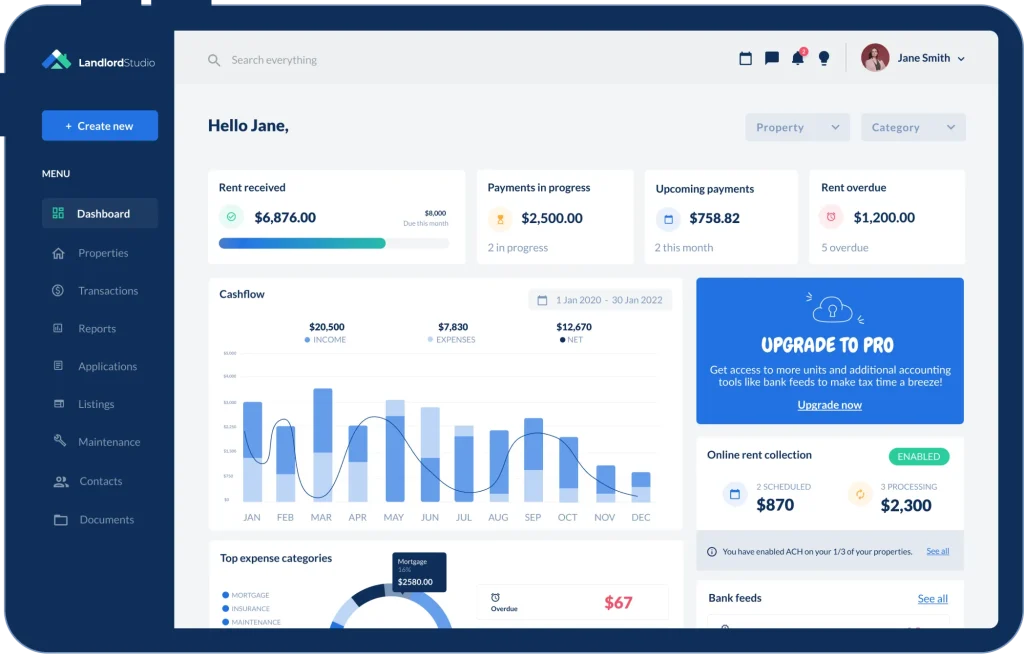
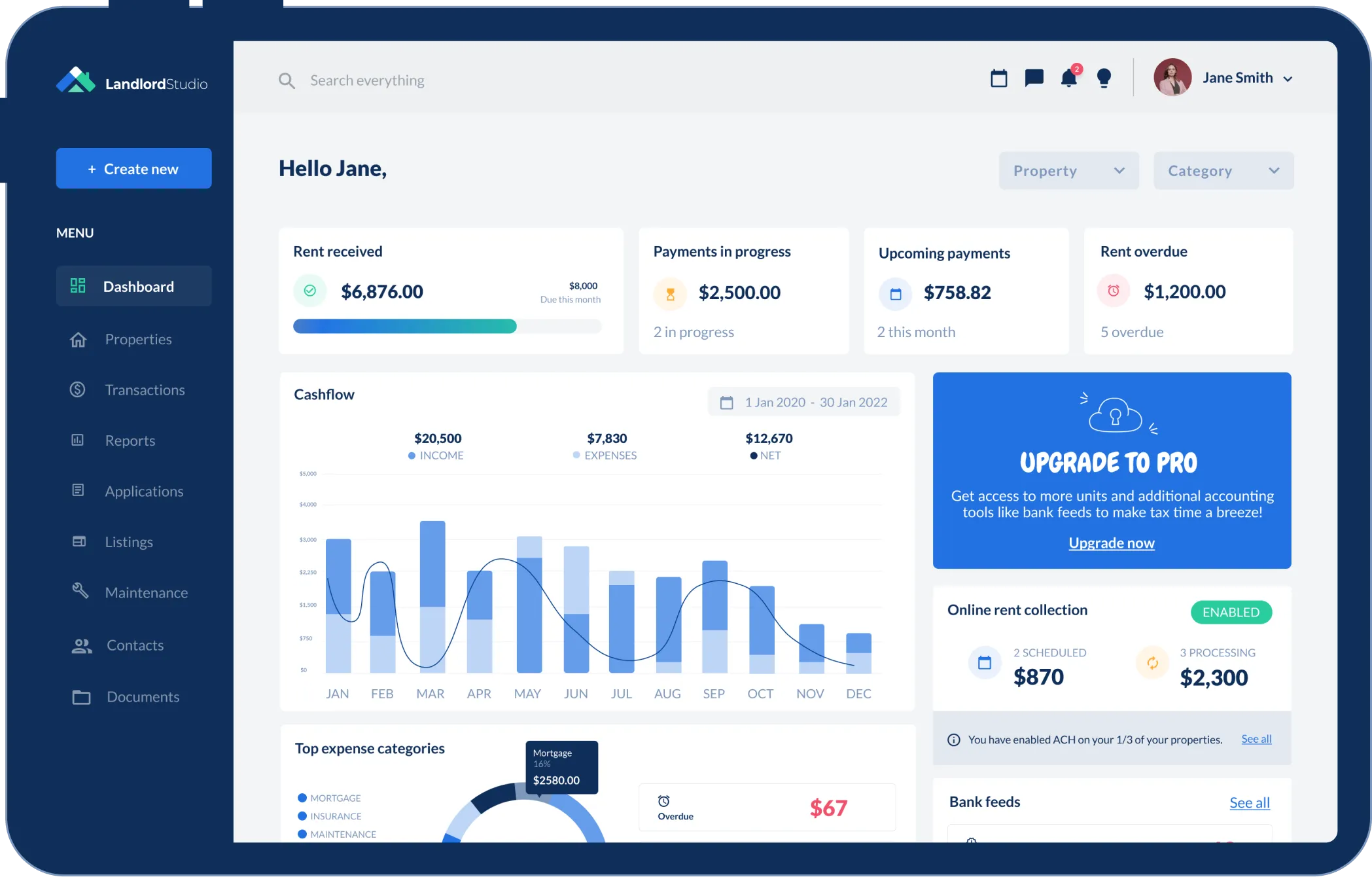
Multi-Property Management: Manage finances for multiple rental properties from a single dashboard.
Benefits of Using a Rental Accounting System
-
Accuracy: Reduce human error in financial calculations.
-
Time-Saving: Automate routine accounting tasks and focus on growing your rental business.
-
Compliance: Ensure tax and regulatory compliance with proper financial tracking.
-
Transparency: Keep tenants informed with accurate billing and statements.
-
Insights: Make informed decisions with detailed financial analytics.
How to Choose the Best Rental Accounting System
When selecting a rental accounting system, consider the following:
-
Ease of Use: A user-friendly interface for quick adoption.
-
Scalability: Ability to grow with your rental portfolio.
-
Customer Support: Reliable support for troubleshooting and guidance.
-
Security: Ensure sensitive financial data is protected with encryption and secure access.
Conclusion
Investing in a robust rental accounting system is essential for modern property management. It not only simplifies financial operations but also provides clarity, efficiency, and insight into your rental business’s performance.


Rental Accounting System: The Ultimate Guide for Property Managers
Managing rental properties can be challenging, especially when it comes to finances. A rental accounting system simplifies the process by automating rent collection, expense tracking, and financial reporting. This guide covers everything you need to know about choosing, implementing, and maximizing a rental accounting system for your property business.
What is a Rental Accounting System?
A rental accounting system is a software solution that helps landlords and property managers manage the financial side of rental properties. Unlike general accounting software, it is tailored to the needs of rental businesses, providing tools to handle rent payments, tenant ledgers, maintenance expenses, and tax reporting.
By using a rental accounting system, property managers can:
-
Reduce errors in financial records
-
Save time on repetitive accounting tasks
-
Improve transparency with tenants
-
Gain actionable insights into rental property performance
Key Features of a Rental Accounting System
To fully understand why a rental accounting system is essential, let’s break down its most important features:
1. Automated Rent Collection
Automating rent collection ensures timely payments from tenants. Many systems offer:
-
Online payment portals
-
Recurring billing
-
Payment reminders via email or SMS
This reduces late payments and improves cash flow.
2. Expense Tracking and Management
Property management involves multiple expenses like repairs, utilities, insurance, and property taxes. A rental accounting system allows you to:
-
Categorize expenses for easy reporting
-
Track vendor payments and receipts
-
Manage budgets across multiple properties
3. Tenant Ledger Management
Maintaining accurate tenant accounts is crucial. A rental accounting system provides:
-
Detailed payment histories
-
Outstanding balance tracking
-
Automated reminders for overdue rent
4. Comprehensive Financial Reporting
Generate professional reports for better decision-making:
-
Income statements
-
Balance sheets
-
Cash flow statements
-
Tax-ready reports
5. Multi-Property Management
For landlords with multiple properties, a rental accounting system consolidates all financial data in a single dashboard, allowing you to monitor performance across your entire portfolio.
6. Integration with Banking
Seamless bank integration allows:
-
Automatic reconciliation of payments
-
Secure fund transfers
-
Real-time monitoring of account balances
Benefits of a Rental Accounting System
Using a rental accounting system offers multiple advantages:
-
Accuracy: Reduce human errors in calculations and record-keeping.
-
Time Efficiency: Automate tedious accounting tasks to focus on property management.
-
Compliance: Ensure you meet tax and regulatory requirements with precise records.
-
Tenant Transparency: Provide tenants with clear statements and receipts.
-
Financial Insights: Analyze property performance and make informed investment decisions.
How to Choose the Right Rental Accounting System
Selecting the best system requires evaluating your specific needs:
1. Ease of Use
The software should have an intuitive interface for quick adoption by property managers or staff.
2. Scalability
Choose a system that grows with your portfolio. For landlords planning to expand, scalability is key.
3. Customer Support
Reliable technical support is essential to handle software issues and questions.
4. Security
Protect sensitive tenant and financial data with encryption, secure logins, and user access controls.
5. Pricing
Compare features and pricing plans to ensure a cost-effective solution without sacrificing key functionalities.
Popular Rental Accounting System Options
Some of the widely-used rental accounting systems include:
-
Buildium: Known for property management and accounting integration.
-
AppFolio: Offers advanced reporting and online rent collection.
-
Rentec Direct: Affordable and easy-to-use solution for small to medium portfolios.
-
Yardi Breeze: Cloud-based system with comprehensive accounting features.
Each platform has unique features; the best choice depends on your property size, budget, and management needs.
Implementation Tips for a Rental Accounting System
To get the most out of your system:
-
Migrate Data Carefully: Ensure tenant records, payment histories, and expense logs are correctly imported.
-
Train Your Team: Provide adequate training for property managers and staff.
-
Set Up Automations: Enable automated rent reminders, recurring invoices, and reporting schedules.
-
Regularly Audit Accounts: Even with automation, periodic audits prevent discrepancies.
-
Integrate with Other Tools: Connect with property management software, CRM systems, or bank accounts for seamless workflow.
Common Challenges and How to Overcome Them
Even the best rental accounting systems have challenges:
1. Data Migration Errors
Solution: Double-check imported data and run parallel testing before fully switching systems.
2. Software Learning Curve
Solution: Use tutorials, training webinars, and customer support resources.
3. Integration Issues
Solution: Choose software with compatible integrations and open API support.
4. Cost Concerns
Solution: Compare features versus price, and consider long-term savings from automation.
FAQs About Rental Accounting Systems
Q1: Can a rental accounting system handle multiple currencies?
Yes, some systems are designed for international property portfolios, offering multi-currency support.
Q2: Do these systems comply with tax regulations?
Most rental accounting systems include tax features, ensuring accurate reporting and compliance.
Q3: Is cloud-based better than desktop software?
Cloud-based systems offer real-time access, remote management, and automatic updates, making them preferable for most landlords.
Q4: Can I generate tenant statements automatically?
Absolutely. Automated statements and receipts are a core feature of most rental accounting systems.
Conclusion
A rental accounting system is no longer optional for property managers—it’s a necessity. By automating rent collection, expense tracking, and reporting, it reduces errors, saves time, and provides actionable insights. Whether you manage a single property or an extensive portfolio, investing in a robust rental accounting system ensures financial clarity and operational efficiency.