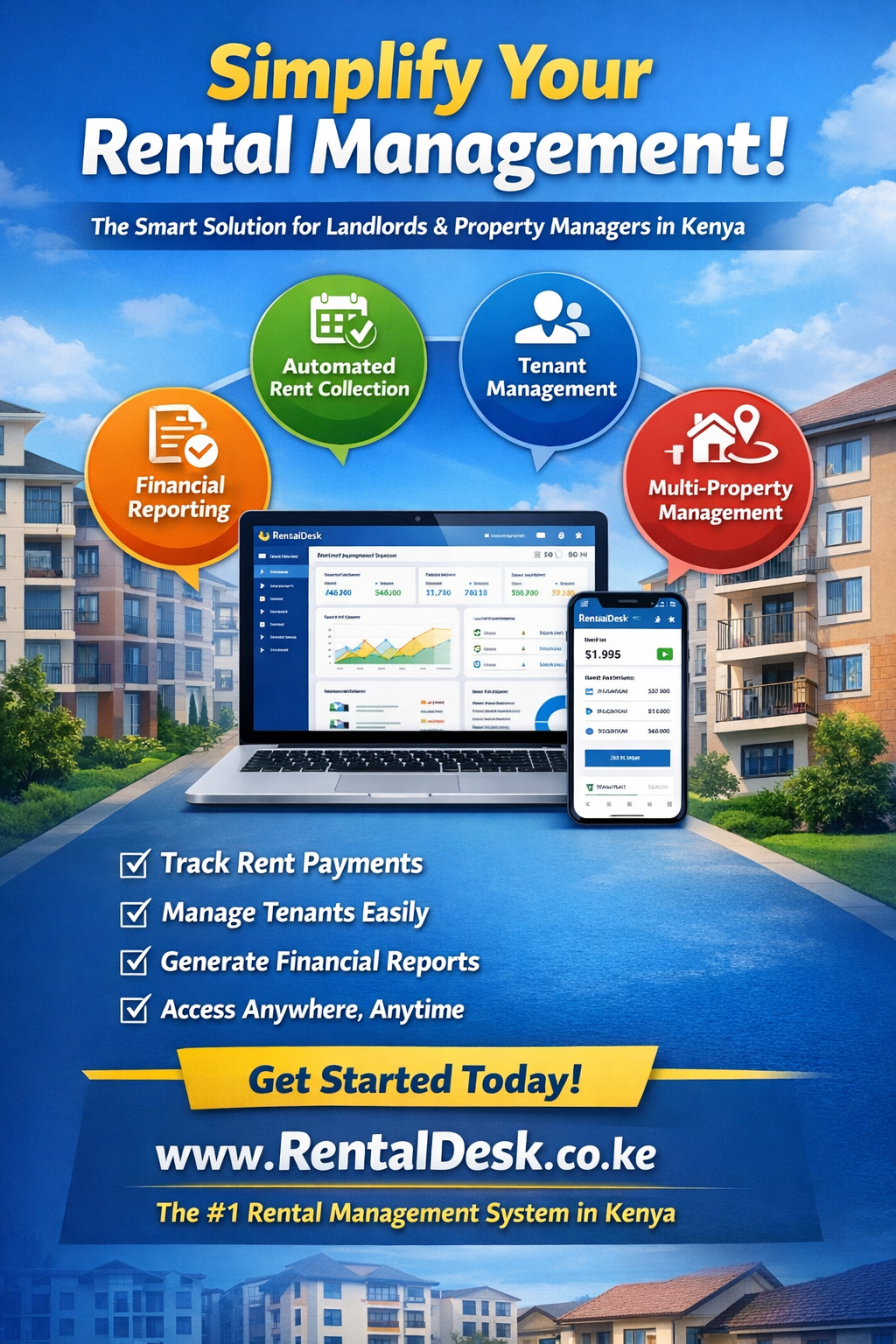
Managing rental properties can quickly become complex when landlords rely on spreadsheets, manual receipts, and scattered tenant records. As portfolios grow, the need for automation becomes essential. A rental management system helps landlords, property managers, and real estate agencies streamline operations, track rent payments, manage tenants, and generate financial reports from a single dashboard.
If you manage apartments, rental houses, commercial buildings, or student housing, a reliable rental management system like RentalDesk can transform how you run your property business.
This guide explains everything landlords need to know about rental management systems, their benefits, features, and why modern property owners are switching to digital solutions.
What Is a Rental Management System?
A rental management system is software designed to help landlords and property managers manage rental properties digitally. It automates tasks such as:
-
Rent collection
-
Tenant management
-
Lease tracking
-
Financial reporting
-
Maintenance requests
-
Property accounting
-
Payment tracking
Instead of handling rent payments manually or using Excel sheets, a rental management platform centralizes all property data into one system.
For landlords managing multiple properties, this becomes extremely valuable because it saves time, reduces errors, and improves financial visibility.
Why Landlords Need a Rental Management System
Many property owners start by managing rentals manually. But as tenant numbers grow, manual management becomes inefficient.
Here are the biggest reasons landlords switch to a rental management system.
1. Automated Rent Collection
Tracking rent payments manually is difficult, especially when tenants pay on different dates.
A rental management system allows landlords to:
-
Track rent payments automatically
-
Monitor overdue payments
-
Send reminders to tenants
-
Generate rent receipts instantly
Platforms like RentalDesk also integrate with digital payment methods, making rent collection faster and more secure.
2. Centralized Tenant Management
Managing tenant information using paperwork or spreadsheets leads to confusion and data loss.
With a rental management system, landlords can:
-
Store tenant contact information
-
Track lease agreements
-
Monitor tenant payment history
-
Record move-in and move-out dates
This helps landlords maintain organized tenant records.
3. Real-Time Financial Reports
Property owners need accurate reports to understand their rental income.
A rental management system provides reports such as:
-
Property revenue reports
-
Rent collection reports
-
Tenant statements
-
Expense tracking reports
-
Profit and loss summaries
These reports help landlords understand how their properties are performing financially.
4. Multi-Property Management
If you manage multiple properties across different locations, tracking them manually becomes complicated.
A rental management system allows landlords to manage:
-
Multiple buildings
-
Different property types
-
Multiple tenants
-
Multiple payment schedules
All properties are managed within one centralized dashboard.
Key Features of a Rental Management System
Not all rental management platforms are the same. The best systems include features designed specifically for landlords and property managers.
Below are the essential features every modern rental management system should have.
Property Management Dashboard
A central dashboard allows landlords to view all property data in one place, including:
-
Total units
-
Occupied units
-
Vacant units
-
Total monthly rent
-
Pending payments
This overview helps property owners monitor their business easily.
Rent Tracking System
A rent tracking module helps landlords track tenant payments accurately.
Features include:
-
Rent payment logs
-
Due date reminders
-
Late payment notifications
-
Automatic receipts
This prevents confusion around rent payments.
Tenant Statements
Tenant statements provide a detailed breakdown of payments made by tenants.
They include:
-
Rent payments
-
Service charges
-
Utility bills
-
Outstanding balances
Tenant statements are useful for both tenants and property managers.
Property Revenue Reports
Property owners need to know how much revenue each building generates.
A rental management system generates property revenue reports showing:
-
Total rent collected
-
Outstanding rent
-
Monthly revenue
-
Annual income
This helps landlords make informed investment decisions.
Lease Management
Tracking lease agreements manually can lead to missed renewals.
A rental management system helps landlords:
-
Store lease documents
-
Track lease expiration dates
-
Send renewal reminders
-
Monitor lease terms
This prevents lease management errors.
Maintenance Management
Tenants often submit maintenance requests.
A rental management system allows tenants to:
-
Submit maintenance issues
-
Track repair progress
-
Communicate with property managers
This improves tenant satisfaction.
Benefits of Using Rental Management Software
Adopting a rental management system offers many benefits to landlords and property managers.
Increased Efficiency
Automation reduces the time spent on manual tasks such as rent tracking and tenant record management.
Reduced Errors
Manual record keeping often leads to errors. A rental management system ensures accurate financial tracking.
Better Tenant Experience
Tenants benefit from:
-
Clear payment records
-
Faster communication
-
Digital rent receipts
-
Maintenance request tracking
Satisfied tenants are more likely to renew leases.
Improved Financial Visibility
Landlords gain access to detailed financial reports that help them understand rental income performance.
Rental Management System for Property Managers
Property managers handling multiple properties require advanced tools to manage their portfolios.
A professional rental management system allows property managers to:
-
Manage multiple landlords
-
Track tenant payments
-
Generate financial reports
-
Manage property expenses
-
Automate rent collection
This improves operational efficiency.
Rental Management System for Landlords in Kenya
In Kenya, rental property is one of the most profitable investments. However, managing tenants and rent collection manually can be challenging.
A rental management system designed for the Kenyan market should support:
-
Local payment integrations
-
Multi-property management
-
Automated rent tracking
-
Detailed financial reporting
Platforms like RentalDesk are built to support landlords managing apartments, flats, and commercial spaces.
Why Choose RentalDesk as Your Rental Management System
RentalDesk is designed specifically for landlords, property managers, and real estate agencies who want to simplify property management.
The platform helps property owners manage rental operations efficiently.
Key capabilities include:
-
Tenant management
-
Rent tracking and reminders
-
Property revenue reports
-
Lease management
-
Financial reporting
-
Multi-property support
RentalDesk allows landlords to manage their rental business from anywhere.
Who Should Use a Rental Management System?
A rental management system is ideal for:
-
Landlords managing apartments
-
Property management companies
-
Real estate agencies
-
Commercial building managers
-
Student housing operators
-
Airbnb and short-term rental managers
Anyone managing rental properties can benefit from automated property management tools.
Future of Rental Property Management
The future of property management is digital. Modern landlords are moving away from spreadsheets and adopting cloud-based rental management systems.
With automation, landlords can:
-
Reduce operational costs
-
Increase rent collection efficiency
-
Improve tenant satisfaction
-
Track property performance
Technology is transforming how rental properties are managed.
Get Started with RentalDesk Rental Management System
If you want to simplify property management and improve rent collection, a professional rental management system is essential.
RentalDesk helps landlords and property managers manage tenants, properties, and rent payments in one powerful platform.
Visit:
to create your account and start managing your rental properties more efficiently.
How a Rental Management System Improves Rent Collection
One of the biggest challenges landlords face is tracking rent payments accurately. Many property owners rely on manual records, bank statements, or handwritten receipts, which often leads to confusion and missed payments.
A rental management system automates rent collection by providing tools that allow landlords to monitor payments in real time.
With a digital system like RentalDesk, landlords can:
-
Track rent payments instantly
-
Identify tenants with overdue rent
-
Send automatic rent reminders
-
Generate digital receipts
-
Monitor rent payment history
This level of automation significantly reduces the time spent on rent administration.
Rental Management System vs Excel Spreadsheets
Many landlords start managing rentals using Excel spreadsheets, but spreadsheets quickly become inefficient as property portfolios grow.
Below is a comparison.
Spreadsheet Method
-
Manual rent tracking
-
High risk of errors
-
No automated reminders
-
Difficult to track tenant history
-
Limited reporting capabilities
Rental Management System
-
Automated rent tracking
-
Accurate financial reports
-
Tenant payment history
-
Automated notifications
-
Centralized property data
A rental management system provides a professional and scalable solution for landlords managing multiple properties.
Essential Reports in a Rental Management System
Reports are critical for property owners because they provide visibility into rental income and financial performance.
A professional rental management system should generate the following reports.
Rent Collection Report
A rent collection report shows the total rent collected within a specific period.
This report includes:
-
Tenant name
-
Property or unit number
-
Rent amount paid
-
Payment date
-
Outstanding balances
Landlords use this report to track monthly rental income.
Property Revenue Report
A property revenue report provides a complete overview of income generated by each property.
This report shows:
-
Total rent income
-
Service charges collected
-
Utility payments
-
Outstanding balances
It helps landlords analyze the profitability of each building.
Tenant Statement Report
Tenant statements show a full history of tenant transactions.
This report includes:
-
Rent payments
-
Service charges
-
Utility bills
-
Payment adjustments
-
Outstanding balances
Tenant statements improve transparency between landlords and tenants.
Occupancy Report
An occupancy report shows the status of rental units.
This includes:
-
Occupied units
-
Vacant units
-
Upcoming lease expirations
This report helps property managers identify vacancies quickly.
Challenges Landlords Face Without a Rental Management System
Without a digital system, landlords often encounter several challenges.
Lost Rent Records
Manual tracking can lead to lost payment records, especially when tenants pay through different channels.
Poor Financial Visibility
Landlords struggle to determine:
-
How much rent was collected
-
Which tenants have overdue payments
-
Which properties generate the most revenue
Inefficient Communication
Communicating rent reminders to tenants manually consumes time and leads to delays.
Difficulty Managing Multiple Properties
Managing multiple apartments or rental units becomes extremely difficult without centralized software.
Cloud-Based Rental Management Systems
Modern rental management systems are cloud-based, meaning landlords can access their property data from anywhere.
Benefits of cloud systems include:
-
Access from phone or computer
-
Automatic data backup
-
Secure storage
-
Real-time updates
This allows landlords to manage rental properties even when they are not physically present.
Rental Management System for Real Estate Agencies
Real estate agencies managing multiple landlords require powerful tools to organize their operations.
A rental management system helps agencies:
-
Manage properties for multiple landlords
-
Track tenant payments across properties
-
Generate reports for property owners
-
Manage leases and agreements
-
Track maintenance requests
This improves efficiency and transparency.
Digital Transformation in Property Management
Property management is rapidly evolving due to technology.
Landlords who adopt rental management systems gain a competitive advantage because they can:
-
Automate rent tracking
-
Reduce operational costs
-
Improve tenant communication
-
Increase transparency
Digital property management platforms are becoming essential tools for modern landlords.
Features That Make RentalDesk Unique
RentalDesk is designed to simplify property management for landlords and real estate managers.
Key features include:
Property Management
Manage multiple properties and units from one system.
Tenant Management
Store tenant details, track leases, and manage tenant history.
Rent Tracking
Track rent payments automatically and monitor outstanding balances.
Financial Reporting
Generate detailed reports such as property revenue reports and rent collection reports.
Tenant Statements
Provide tenants with clear records of payments and balances.
Rental Management System for Growing Property Portfolios
As landlords expand their property investments, manual management becomes unsustainable.
A rental management system provides the infrastructure needed to scale rental operations.
With a system like RentalDesk, landlords can easily manage:
-
10 units
-
50 units
-
200+ units
without increasing administrative workload.
How to Choose the Best Rental Management System
When selecting a rental management system, landlords should consider the following factors.
Ease of Use
The system should be easy to learn and operate.
Automation Features
Look for features such as automated rent reminders and financial reports.
Security
Ensure the platform protects tenant and financial data.
Scalability
The system should support growing property portfolios.
Reporting Tools
A good system should generate detailed financial reports.
RentalDesk: A Smart Rental Management System for Landlords
RentalDesk provides landlords with a powerful platform to manage rental properties efficiently.
The system simplifies tasks such as rent tracking, tenant management, and financial reporting.
With RentalDesk, landlords can:
-
Track rent payments easily
-
Monitor property revenue
-
Manage tenant records
-
Generate financial reports
-
Manage multiple properties
Start Managing Your Rentals the Smart Way
Managing rental properties manually can slow down your business and lead to financial errors.
A professional rental management system helps landlords stay organized, automate rent tracking, and monitor property income.
RentalDesk offers a powerful solution designed for landlords and property managers who want to simplify property management.
Visit:
and create your account today to start managing your rental properties more efficiently.
Advanced Features Every Modern Rental Management System Should Have
As the property industry becomes more digital, landlords expect more than basic rent tracking. A modern rental management system must provide advanced automation tools that simplify operations and improve financial visibility.
Below are some advanced capabilities that help landlords manage properties efficiently.
Automated Rent Reminders
One of the most useful features in a rental management system is automatic rent reminders.
Instead of manually reminding tenants about payments, the system can automatically notify them when rent is due.
Benefits include:
-
Fewer late payments
-
Improved rent collection rate
-
Less time spent following up with tenants
Automated reminders help landlords maintain consistent cash flow.
Digital Rent Receipts
A rental management system should generate automatic rent receipts whenever a tenant makes a payment.
This allows tenants to:
-
Access payment confirmation instantly
-
Maintain accurate records
-
Avoid disputes regarding payments
Digital receipts also help landlords keep organized financial records.
Multi-Property Portfolio Management
Many landlords own multiple buildings or rental units across different locations.
A professional rental management system allows landlords to:
-
Manage several properties under one account
-
Track rent performance per property
-
Compare revenue across buildings
This provides a clear view of the entire property portfolio.
Lease Expiration Alerts
Lease management is critical for landlords.
A rental management system should notify landlords when:
-
A lease is about to expire
-
A tenant needs renewal
-
A tenant is approaching move-out date
This ensures landlords never miss important lease deadlines.
Financial Management for Landlords
Financial transparency is one of the biggest advantages of using a rental management system.
The system should provide financial tools that help landlords monitor property income and expenses.
Income Tracking
Landlords should be able to monitor:
-
Monthly rental income
-
Property-specific income
-
Annual revenue trends
This helps landlords evaluate the performance of their rental investments.
Expense Tracking
Rental property expenses include:
-
Maintenance costs
-
Utility bills
-
Property management fees
-
Repairs and renovations
A rental management system helps track these expenses and calculate profit margins.
Profit and Loss Reports
A profit and loss report provides a financial summary of rental operations.
This report shows:
-
Total income generated
-
Total expenses incurred
-
Net profit from rental properties
Such reports are important for financial planning.
Tenant Communication Tools
Communication between landlords and tenants is essential for smooth property management.
A rental management system improves communication by providing tools such as:
-
Automated rent reminders
-
Payment confirmations
-
Maintenance request notifications
-
Lease renewal alerts
This ensures tenants remain informed and engaged.
Maintenance Request Management
Maintenance is a key part of property management.
A rental management system allows tenants to submit maintenance requests directly through the platform.
Landlords can then:
-
Track maintenance tickets
-
Assign repair tasks
-
Monitor repair progress
This improves tenant satisfaction and ensures property issues are resolved quickly.
Data Security in Rental Management Systems
Security is critical when handling tenant information and financial data.
A reliable rental management system must provide:
-
Secure data encryption
-
Role-based access control
-
Regular system backups
-
Secure payment integrations
This protects both landlords and tenants.
Mobile Access for Property Owners
Modern landlords require the flexibility to manage properties from anywhere.
Cloud-based rental management systems allow landlords to access their property dashboard from:
-
Smartphones
-
Tablets
-
Desktop computers
This ensures landlords remain connected to their properties at all times.
Rental Management System for Real Estate Investors
Real estate investors often manage multiple rental properties as part of their investment strategy.
A rental management system helps investors:
-
Track rental income across properties
-
Monitor tenant occupancy
-
Analyze property profitability
-
Identify underperforming units
These insights help investors make better financial decisions.
Why Property Managers Prefer RentalDesk
RentalDesk is designed to simplify property management for landlords, property managers, and real estate agencies.
The platform helps property owners digitize rental operations and eliminate manual work.
Key advantages include:
-
Easy property setup
-
Automated rent tracking
-
Tenant payment records
-
Property revenue reports
-
Detailed tenant statements
RentalDesk helps property owners focus on growing their rental business rather than managing paperwork.
The Growing Demand for Rental Management Systems
The real estate industry is evolving rapidly, and landlords are increasingly adopting digital tools to manage properties.
The demand for rental management systems continues to grow because they offer:
-
Improved operational efficiency
-
Better financial reporting
-
Simplified tenant management
-
Automated rent collection
Property technology is transforming the way rental properties are managed.
How RentalDesk Supports Modern Landlords
RentalDesk is built to support landlords who want to modernize their property management process.
The platform helps landlords manage their rental businesses professionally by providing tools for:
-
Rent tracking
-
Tenant management
-
Property revenue reporting
-
Lease management
-
Financial reporting
By centralizing all property data into one platform, RentalDesk simplifies rental operations.
Conclusion: The Future of Rental Property Management
Managing rental properties manually is becoming outdated. Landlords who rely on spreadsheets and paperwork often face inefficiencies, financial errors, and tenant communication challenges.
A rental management system provides a smarter approach to property management by automating operations and providing clear financial insights.
Platforms like RentalDesk allow landlords to manage properties more efficiently, improve rent collection, and monitor property performance.
As the property industry continues to adopt technology, rental management systems will become an essential tool for every landlord.
Start Using RentalDesk Today
If you are a landlord or property manager looking for a reliable rental management system, RentalDesk provides a powerful solution designed to simplify property management.
You can manage tenants, track rent payments, generate financial reports, and monitor property performance from a single platform.
Visit:
and start managing your rental properties with a professional rental management system.