Property Reporting: The Complete Guide to Accurate and Efficient Property Reporting in 2026
Introduction to Property Reporting
Property reporting plays a critical role in modern real estate management, investment decision-making, and regulatory compliance. Whether you are a property manager, real estate investor, landlord, or housing authority, accurate property reporting ensures transparency, accountability, and operational efficiency.
In today’s data-driven property industry, property reporting is no longer just about documenting property details. It involves collecting, analyzing, and presenting property-related data to improve performance, reduce risks, and support strategic decisions.
This comprehensive guide explores everything you need to know about property reporting, including its importance, types, benefits, tools, and best practices.
What is Property Reporting?
Property reporting refers to the systematic collection, organization, and presentation of data related to real estate properties. These reports provide stakeholders with insights into property performance, financial health, maintenance needs, occupancy rates, and compliance requirements.
Property reporting can be used for:
- Real estate investment tracking
- Property management performance
- Maintenance and inspections
- Financial reporting
- Tenant and occupancy analysis
- Regulatory compliance
A well-structured property reporting system helps property professionals make informed decisions and maintain transparency across operations.
Importance of Property Reporting
Property reporting is essential for maintaining accountability and ensuring smooth property operations. Without reliable property reports, property managers and investors risk financial losses, legal complications, and operational inefficiencies.
1. Enhances Financial Transparency
Financial property reporting provides clear insights into:
- Rental income
- Operating expenses
- Profit margins
- Cash flow
- Return on investment (ROI)
This transparency helps stakeholders understand property performance and make strategic financial decisions.
2. Improves Decision-Making
Property reports provide valuable data that helps managers:
- Identify profitable properties
- Detect underperforming assets
- Plan renovations
- Optimize rental pricing
With accurate data, property owners can minimize risks and maximize returns.
3. Ensures Legal Compliance
Many regions require property owners to submit reports for:
- Tax compliance
- Safety inspections
- Environmental standards
- Rental regulations
Property reporting helps avoid fines, penalties, and legal disputes.
4. Supports Property Maintenance
Maintenance reports track:
- Repairs
- Inspections
- Service schedules
- Asset conditions
Regular maintenance reporting prevents costly damage and improves tenant satisfaction.
Types of Property Reporting
There are several types of property reporting used across the real estate industry. Each type focuses on specific operational areas.
1. Financial Property Reporting
Financial reports are among the most important components of property reporting. They provide detailed insights into property income and expenses.
Common financial property reports include:
- Profit and loss statements
- Cash flow reports
- Rent collection reports
- Expense tracking reports
- Budget vs actual reports
These reports help property owners evaluate profitability and financial performance.
2. Property Inspection Reporting
Inspection reporting involves documenting the physical condition of a property.
These reports typically include:
- Structural condition
- Safety hazards
- Electrical systems
- Plumbing status
- Interior and exterior conditions
Property inspection reporting is vital for maintaining safety standards and identifying repair needs.
3. Maintenance Reporting
Maintenance reports track property repairs and service activities.
Key details in maintenance reports:
- Repair history
- Maintenance schedules
- Vendor performance
- Equipment lifespan
- Cost tracking
Maintenance reporting ensures timely repairs and reduces long-term maintenance costs.
4. Tenant Reporting
Tenant reporting focuses on occupancy and tenant-related activities.
Common tenant reports include:
- Tenant payment history
- Lease agreements
- Occupancy rates
- Tenant complaints
- Lease renewal tracking
Tenant reporting helps improve tenant relationships and reduce vacancy rates.
5. Compliance Reporting
Compliance reporting ensures adherence to laws and regulations.
Examples include:
- Building safety compliance
- Environmental compliance
- Property tax documentation
- Insurance records
Compliance reporting protects property owners from legal risks.
Key Components of Effective Property Reporting
Successful property reporting requires specific components to ensure accuracy and reliability.
1. Data Collection
Accurate data collection is the foundation of property reporting.
Sources of property data include:
- Financial records
- Tenant databases
- Maintenance logs
- Inspection reports
- Property management systems
Data should be collected regularly and stored securely.
2. Data Organization
Organized data improves report clarity and usability.
Best practices include:
- Categorizing data by property type
- Maintaining standardized templates
- Using consistent naming conventions
- Centralizing data storage
Organized data allows faster report generation.
3. Data Analysis
Data analysis transforms raw information into actionable insights.
Key analytical methods include:
- Trend analysis
- Performance benchmarking
- Risk assessment
- Cost analysis
Analysis helps stakeholders identify opportunities for improvement.
4. Report Presentation
Clear report presentation enhances understanding.
Effective presentation includes:
- Visual charts
- Tables
- Graphs
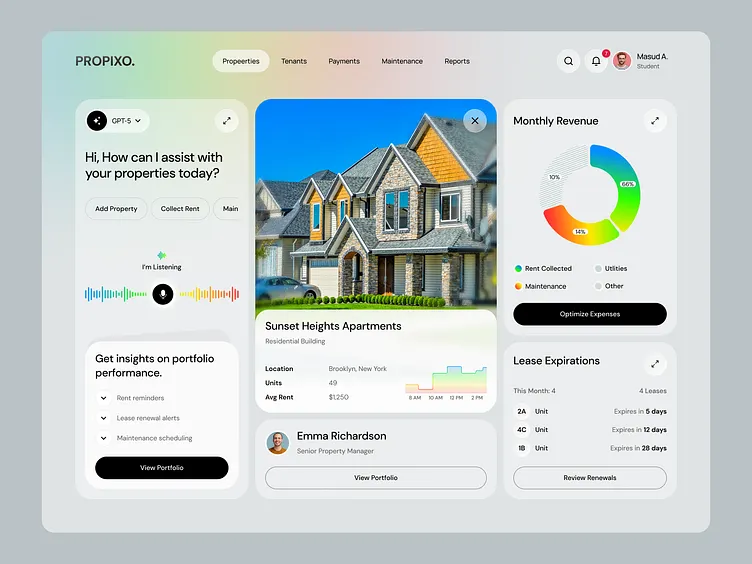
- Summary dashboards
Visual reporting improves readability and decision-making.
Benefits of Property Reporting
Implementing structured property reporting provides several advantages.
1. Improved Property Performance
Property reports help managers identify:
- Maintenance gaps
- Financial inefficiencies
- Tenant satisfaction issues
This leads to improved property performance.
2. Better Risk Management
Property reporting helps detect:
- Safety hazards
- Financial risks
- Legal compliance issues
Early detection reduces costly problems.
3. Increased Efficiency
Automated property reporting saves time by:
- Reducing manual data entry
- Streamlining workflows
- Simplifying reporting tasks
Efficiency improves overall productivity.
4. Enhanced Communication
Property reports provide clear communication between:
- Property owners
- Managers
- Tenants
- Investors
Transparent communication builds trust.
Property Reporting Tools and Software
Modern property reporting relies heavily on digital tools.
1. Property Management Software
Property management software automates reporting tasks.
Popular features include:
- Automated report generation
- Tenant tracking
- Financial dashboards
- Maintenance scheduling
These tools reduce manual workload and improve accuracy.
2. Cloud-Based Reporting Systems
Cloud systems allow remote access to property reports.
Benefits include:
- Real-time updates
- Secure data storage
- Multi-user access
- Backup protection
Cloud-based reporting enhances collaboration.
3. Data Analytics Tools
Analytics tools provide advanced reporting capabilities.
They help:
- Identify trends
- Predict maintenance needs
- Forecast financial performance
Advanced analytics improves strategic planning.
Best Practices for Property Reporting
Following best practices ensures reliable property reporting.
1. Standardize Reporting Templates
Standard templates ensure consistency across reports.
Templates should include:
- Property details
- Reporting period
- Key metrics
- Summary insights
Consistency improves data comparison.
2. Automate Reporting Processes
Automation reduces errors and saves time.
Automated systems can:
- Generate recurring reports
- Send alerts
- Update dashboards
Automation increases reporting efficiency.
3. Conduct Regular Audits
Periodic audits ensure data accuracy.
Audits help:
- Identify inconsistencies
- Detect fraud
- Verify compliance
Regular reviews improve report reliability.
4. Maintain Data Security
Property reporting involves sensitive information.
Security measures include:
- Password protection
- Encryption
- Access controls
- Backup systems
Data security prevents unauthorized access.
Challenges in Property Reporting
Despite its benefits, property reporting presents several challenges.
1. Data Inaccuracy
Incorrect data leads to unreliable reports.
Common causes include:
- Manual entry errors
- Outdated information
- Inconsistent data sources
Solutions include automation and validation tools.
2. Complex Regulatory Requirements
Property regulations vary by region.
Staying compliant requires:
- Updated knowledge
- Accurate documentation
- Regular reporting
Compliance software can simplify regulatory reporting.
3. Limited Technical Skills
Some property teams lack technical expertise.
Training programs help:
- Improve reporting skills
- Increase software adoption
- Enhance data management abilities
Education improves reporting efficiency.
Property Reporting for Real Estate Investors
Real estate investors rely heavily on property reporting to monitor performance.
Key investor reports include:
- Investment performance reports
- Portfolio summaries
- Market analysis reports
- Risk assessment reports
These reports help investors maximize returns and minimize risks.
Property Reporting for Property Managers
Property managers use reporting to manage daily operations.
Important manager reports include:
- Tenant occupancy reports
- Maintenance schedules
- Financial summaries
- Lease management reports
Efficient reporting improves operational control.
Future Trends in Property Reporting
Property reporting continues to evolve with technological advancements.
1. Artificial Intelligence (AI) Integration
AI improves property reporting through:
- Predictive analytics
- Automated data processing
- Risk prediction
AI helps identify issues before they occur.
2. Internet of Things (IoT) Integration
IoT devices collect real-time property data.
Examples include:
- Smart meters
- Temperature sensors
- Security systems
IoT improves reporting accuracy.
3. Mobile Reporting Applications
Mobile apps allow on-site reporting.
Benefits include:
- Instant updates
- Photo documentation
- Real-time communication
Mobile tools enhance reporting convenience.
4. Real-Time Dashboards
Real-time dashboards provide live insights.
Users can:
- Monitor occupancy
- Track revenue
- Review maintenance status
Real-time data supports fast decision-making.
How to Create an Effective Property Reporting System
Setting up a property reporting system requires careful planning.
Step 1: Define Reporting Objectives
Identify goals such as:
- Financial tracking
- Compliance management
- Maintenance monitoring
Clear objectives guide reporting design.
Step 2: Choose Reporting Tools
Select tools that match your needs.
Consider:
- Scalability
- Ease of use
- Integration capabilities
The right tools simplify reporting tasks.
Step 3: Collect and Organize Data
Gather data from reliable sources.
Ensure:
- Accuracy
- Consistency
- Regular updates
Quality data ensures reliable reports.
Step 4: Design Reporting Templates
Create templates tailored to your operations.
Include:
- Key metrics
- Performance indicators
- Summary sections
Templates standardize reporting.
Step 5: Review and Improve
Regularly evaluate your reporting system.
Look for:
- Errors
- Inefficiencies
- Missing data
Continuous improvement enhances performance.
Property Reporting Metrics to Track
Tracking the right metrics improves reporting effectiveness.
Important property reporting metrics include:
- Occupancy rate
- Rental income
- Maintenance costs
- Vacancy duration
- Tenant turnover rate
- Net operating income (NOI)
- Property value growth
These metrics provide insights into property performance.
Conclusion
Property reporting is a critical component of successful property management and real estate investment. From financial tracking to maintenance management and regulatory compliance, effective property reporting provides the data needed to make informed decisions.
By implementing structured reporting systems, using modern software tools, and following best practices, property professionals can improve efficiency, reduce risks, and maximize property value.
As technology continues to evolve, property reporting will become even more automated, data-driven, and insightful. Organizations that invest in advanced property reporting systems today will be better positioned for long-term success in the competitive real estate industry.